The shop that built Ford's running gear
Dodge was a parts business before it was a car company. John and Horace Dodge founded a machine shop in 1900, and it made parts and assemblies for Detroit automakers, Ford chief among them. The deal that mattered was with Henry Ford: the brothers agreed to build 650 complete running assemblies for him, and they took a 10 percent stake in the new Ford company as part of the arrangement. For a few years, much of what moved a Ford was made by the Dodges.
In 1913 they ended the Ford contract and turned to a car of their own. The Dodge Brothers Motor Car Company was incorporated in June 1914, and the first car, the Model 30 touring car, left the Hamtramck plant on November 14, 1914. Ford had a long memory about the stock. The Dodges sued over dividends Ford had withheld, the court sided with them, and Ford bought their shares in July 1919.
1920 and the sale
Both brothers were dead within a year of that buyout. They caught influenza at the New York auto show in January 1920. John died on January 14 and Horace on December 10. Ford, for what it is worth, stayed on cordial terms with the family after the lawsuit.
The widows ran the company until 1925, when they sold it to the investment bank Dillon, Read & Co. for a sum reported at no less than 146 million dollars. Three years later the bankers were the ones looking for an exit. One account says Dodge Brothers could not meet payroll in 1928, and Walter P. Chrysler took the company in a stock transfer, not cash. From then on Dodge was a Chrysler Corporation make, and the car business of the two machinists became a division of someone else's.
The Hemi
Chrysler's hemispherical-head V8 first appeared as the FirePower in 1951, not yet called a Hemi, and Dodge got its own first V8, a smaller Red Ram Hemi, in the same period. The one collectors mean when they say Hemi is the 426. Its design began in January 1963 with the February 1964 race at Daytona as the target date. Ford complained about its power, and the race engine was banned from NASCAR for 1965 because it was not available in production cars. Chrysler's answer was the Street Hemi of 1966, and it sold the required number of engines to the public.
Charger and Challenger
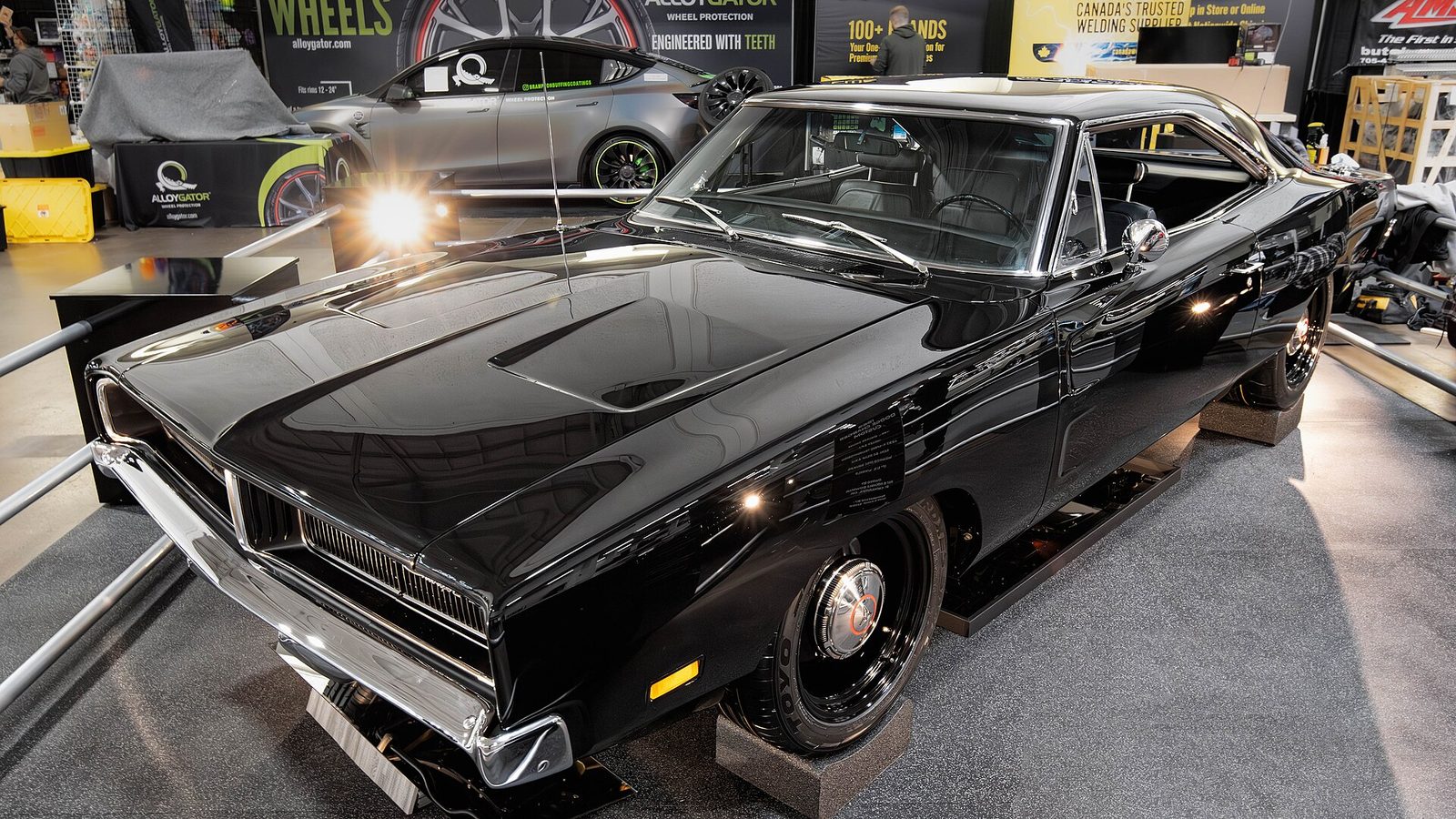
The Charger began as a fastback version of a Dodge intermediate. It was redesigned for 1968 and separated from the Coronet, and an R/T package ('Road/Track') added the performance. The 426 Hemi was on the option list. A 1968 Charger R/T also chased a Mustang through San Francisco in Bullitt, and a 1969 Charger became the General Lee on The Dukes of Hazzard. The Charger 1968-1970 page on this site covers the cars themselves.
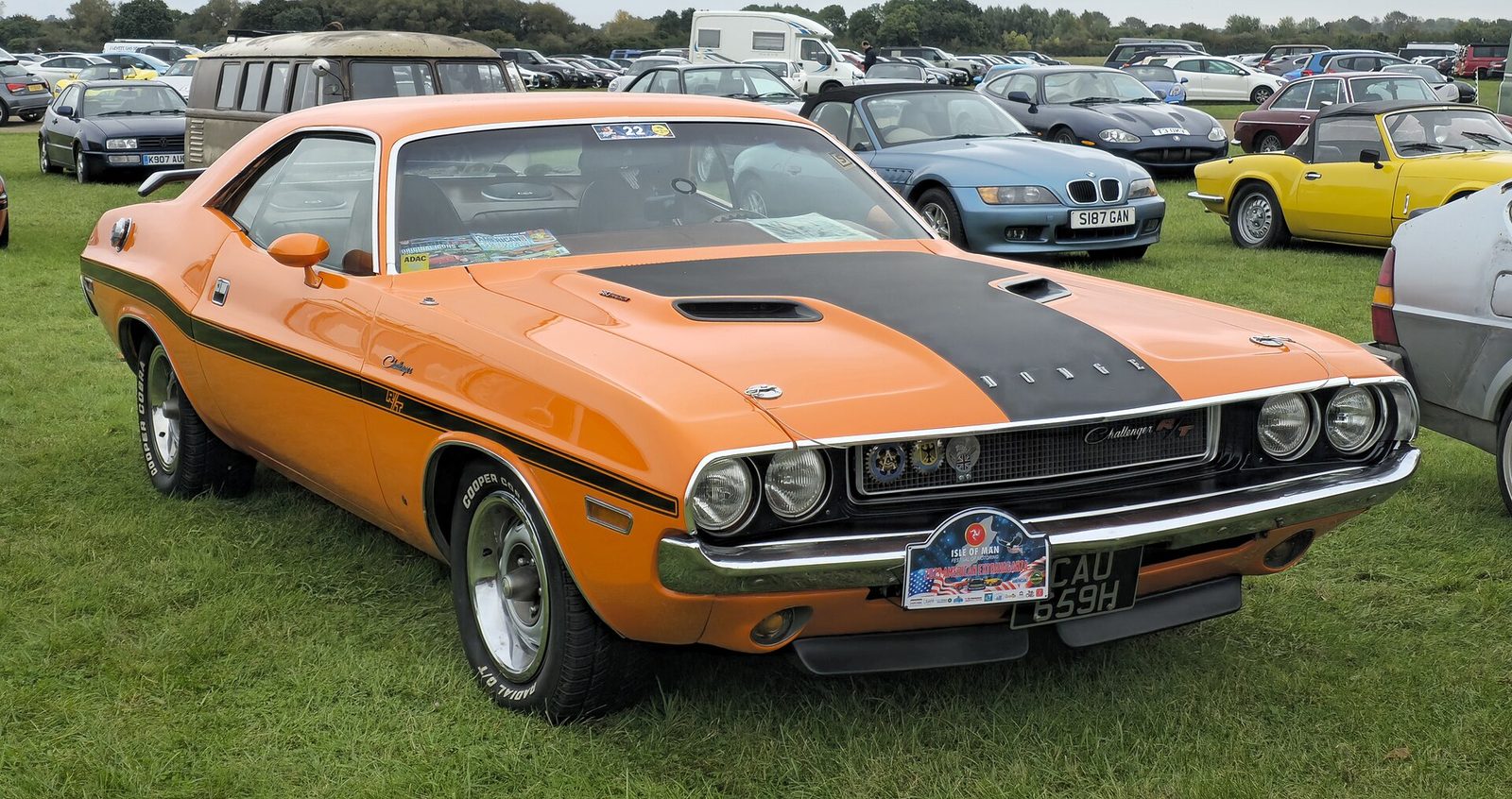
The Challenger came late to the pony car class. It was introduced in the fall of 1969 for 1970, on the E platform shared with the Plymouth Barracuda, and virtually every engine Chrysler had, the Hemi included, was offered. First-generation production stopped midway through 1974. The first-generation Challenger page carries the details.
The Viper
The Viper started as a suggestion. Chrysler president Bob Lutz told design chief Tom Gale that the company should consider building a modern Cobra, and the concept appeared at the Detroit show in 1989. Carroll Shelby drove a pre-production car as the Indianapolis 500 pace car the next year. The V10, adapted from a Chrysler truck-derived V8 design, was ready in February 1990, and the RT/10 roadster went on sale in January 1992. A GTS coupe followed in the 1996 model year. The Viper Gen 1-2 page on this site covers those cars.
Where Dodge stands now
Dodge split Ram and Viper into separate brands in 2011. Fiat Chrysler merged with PSA in 2021 to form Stellantis. The Viper was discontinued in 2017, and the last Dodge Challenger, a Pitch-Black Demon 170, left the Brampton assembly line on December 22, 2023.