Research
Model Database

Collector car model histories

One rich, honest page per model — production numbers, specs, what to look for, common problems, and market context. Every non-obvious fact is cross-checked and cited, with uncertainty called out rather than glossed over.

Compare two models head to head
72 of 72 models
Acura

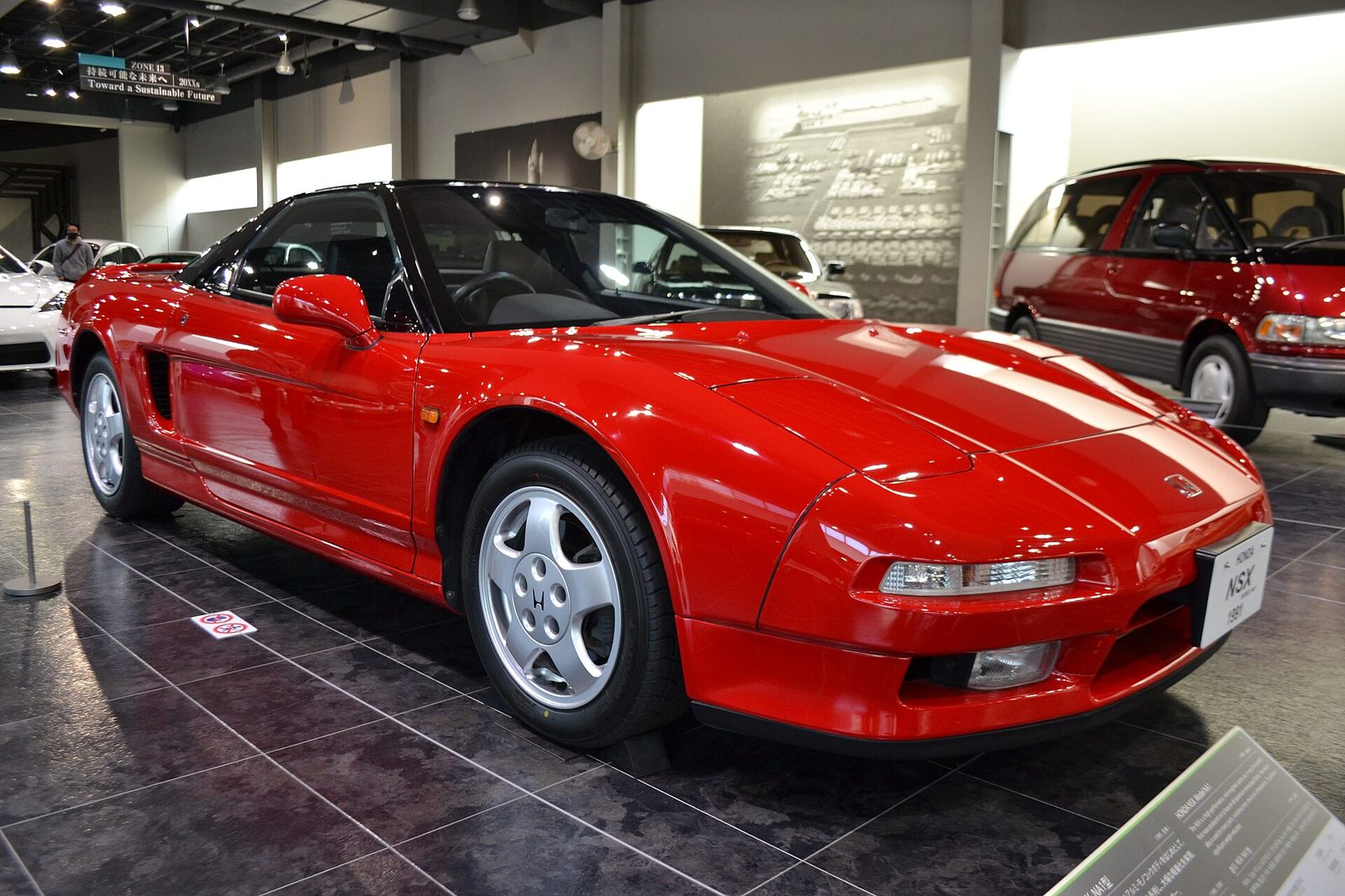
NSX (NA1/NA2)

1990–2005 · 18,734 built

The Honda NSX — sold as the Acura NSX in North America from late 1990 — is the car that proved a mid-engine supercar didn't have to be temperamental. Honda

High confidence7 cited sources 5 disputed
Read history
Alfa Romeo

Spider (105/115 Series)

1966–1993 · 124,104 built

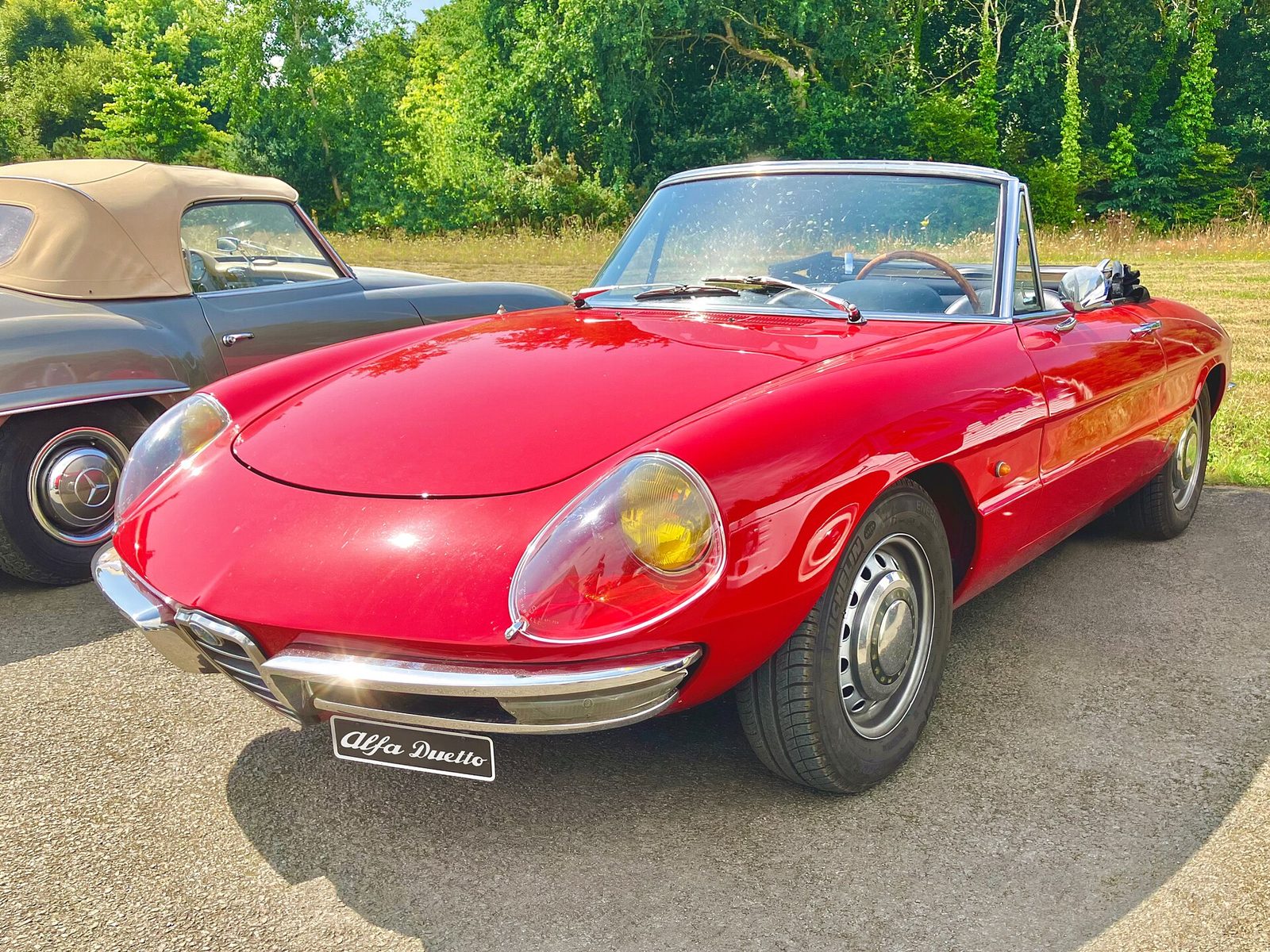
The Alfa Romeo Spider (105/115 series, 1966-1993) is the longest-lived single model in Alfa Romeo's history and the last car overseen by Battista 'Pinin' F

High confidence16 cited sources 2 disputed
Read history
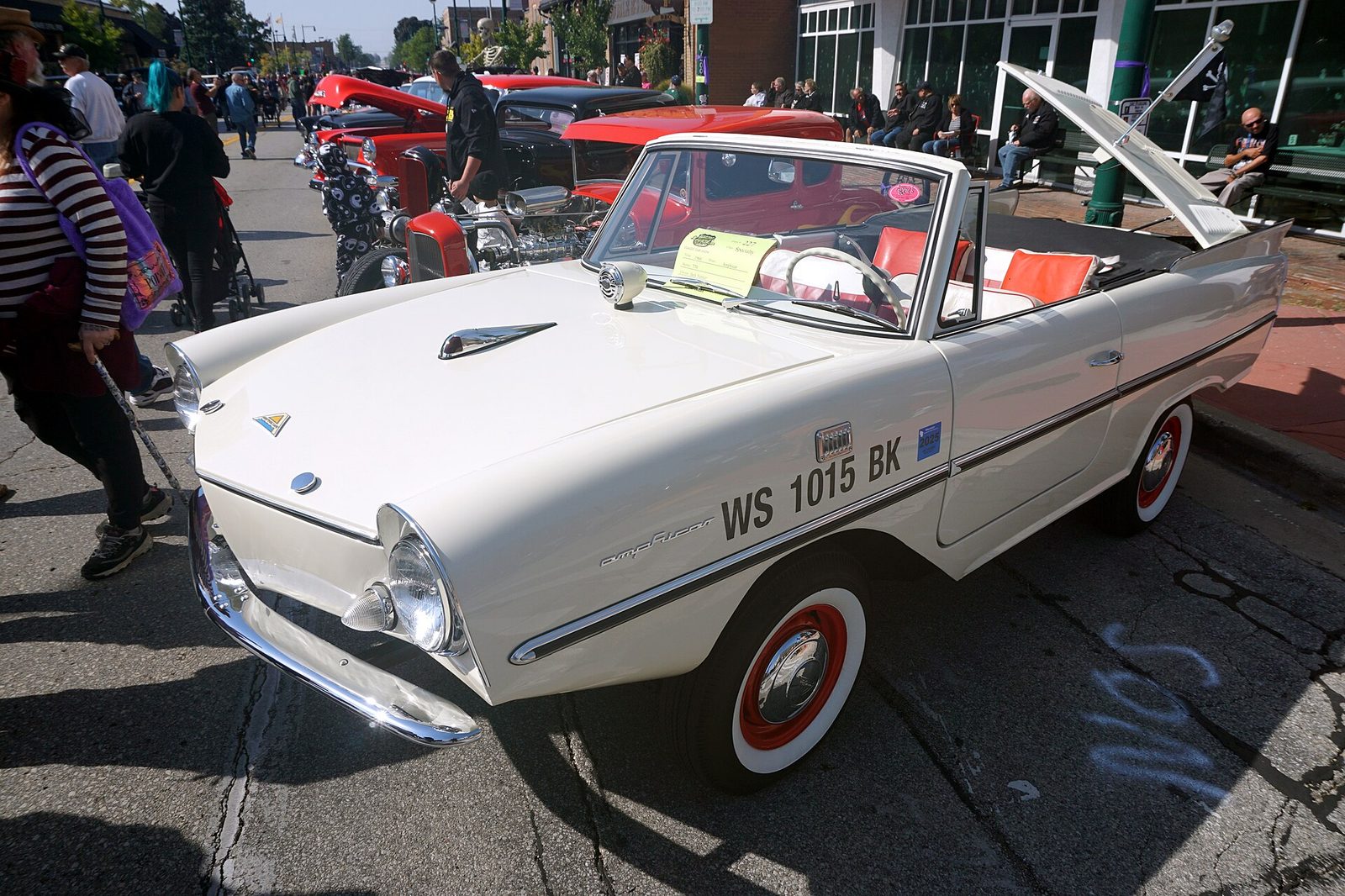
Amphicar

770 (1961–1968)

1961–1968 · 3,878 built

The Amphicar 770 is the world's first — and by far the most successful — mass-produced civilian amphibious car: a car that drives straight into a lake and

High confidence6 cited sources 3 disputed
Read history
Audi

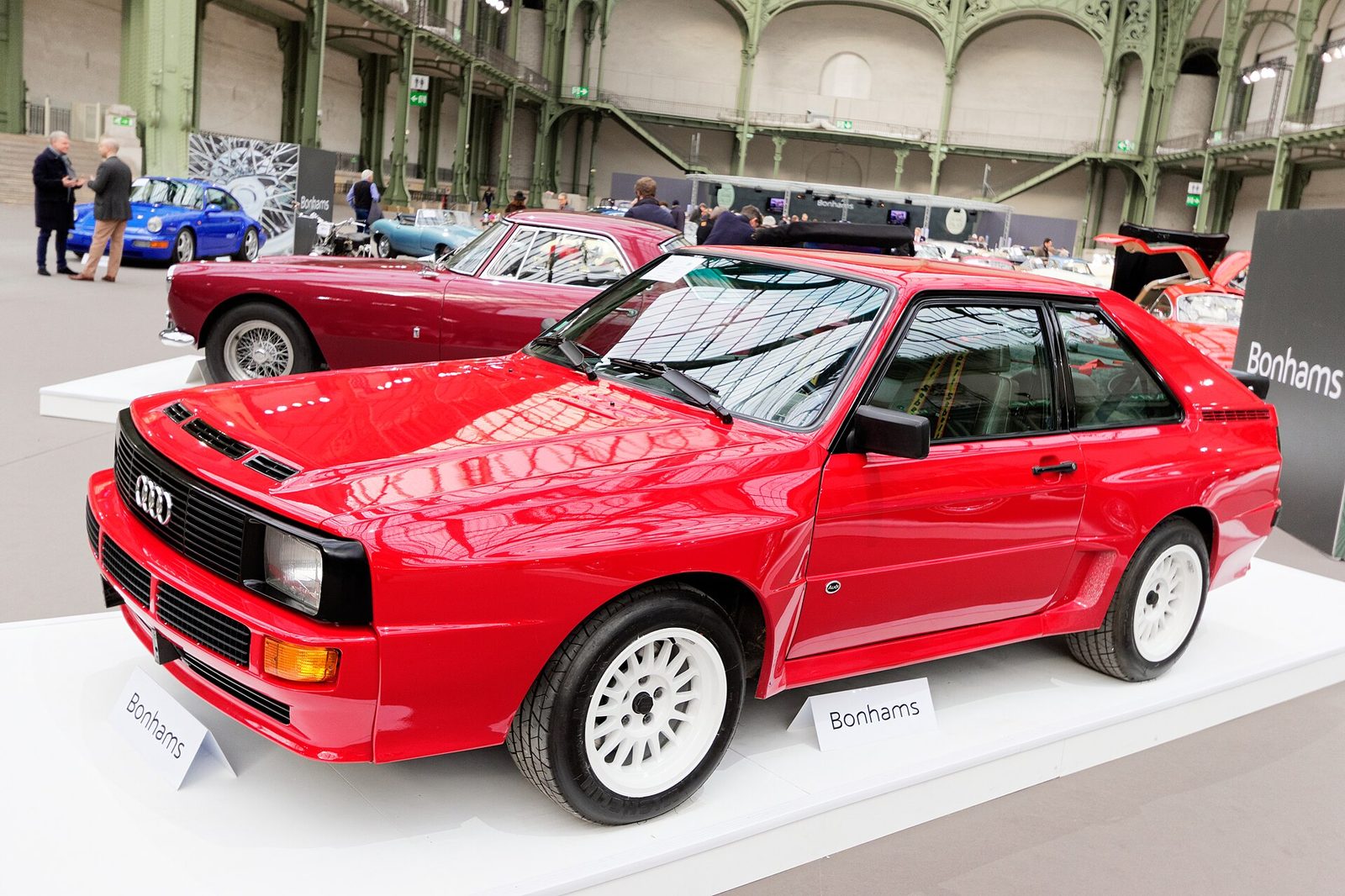
Ur-Quattro (Original quattro coupe (B2 platform))

1980–1991 · 11,452 built

The Audi Quattro of 1980-1991 - called the Ur-Quattro since, to separate the car from the drivetrain that took its name - is the machine that moved four-wh

High confidence21 cited sources 3 disputed
Read history
Austin-Healey

3000 (Big Healey (3000, Mk I to Mk III))

1959–1967 · 42,926 built

The Austin-Healey 3000 (1959-1967) is the last and best known of the Big Healeys, a body-on-frame two-seater and 2+2 built by BMC at Abingdon on Jensen-mad

High confidence26 cited sources 4 disputed
Read history
BMW

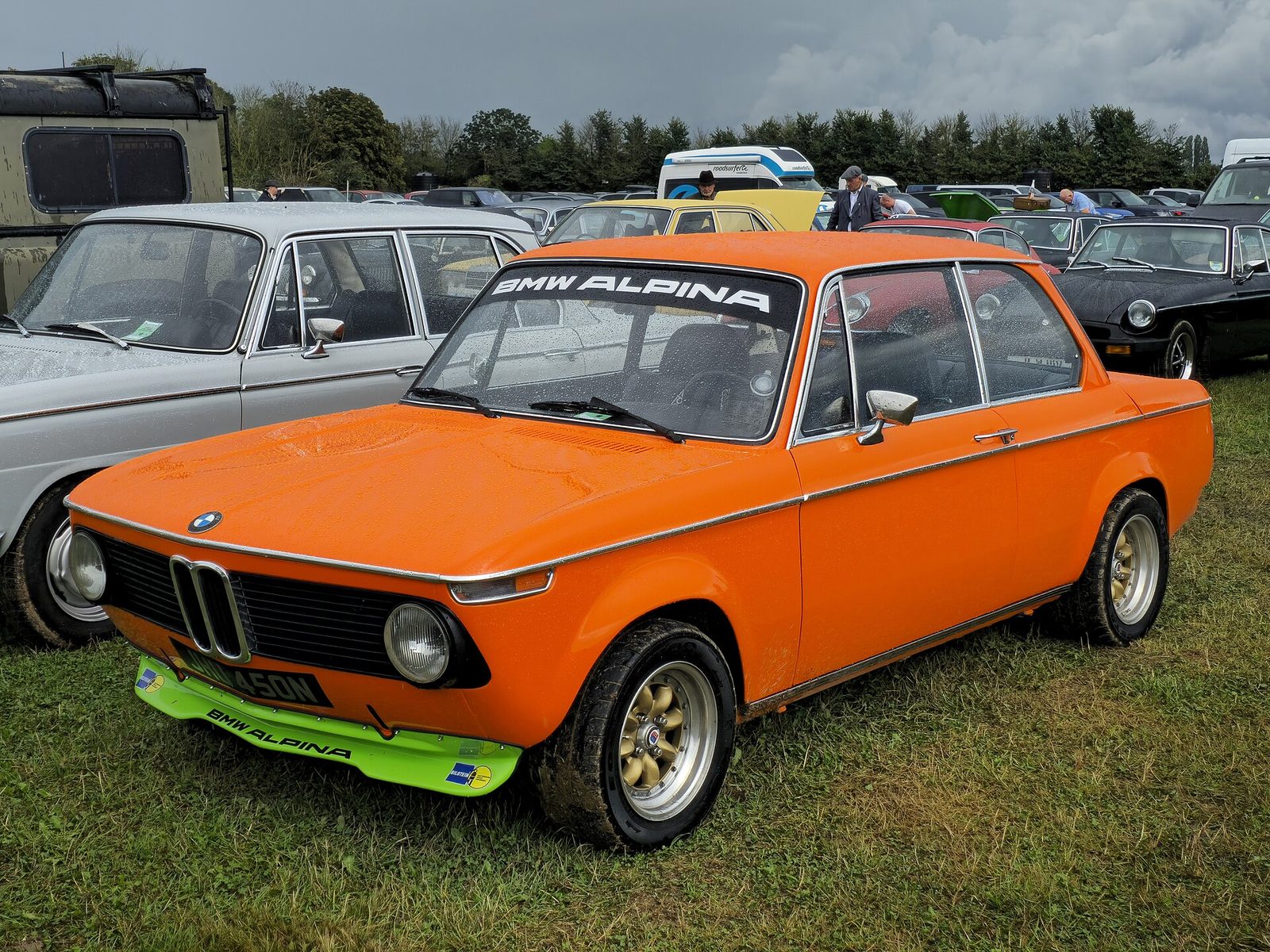
2002 (02 Series)

1968–1976

The BMW 2002 began as an improvisation. Alex von Falkenhausen, who ran engine development, and Helmut Werner Bonsch, who ran product planning, had each qui

High confidence22 cited sources 4 disputed
Read history
BMW

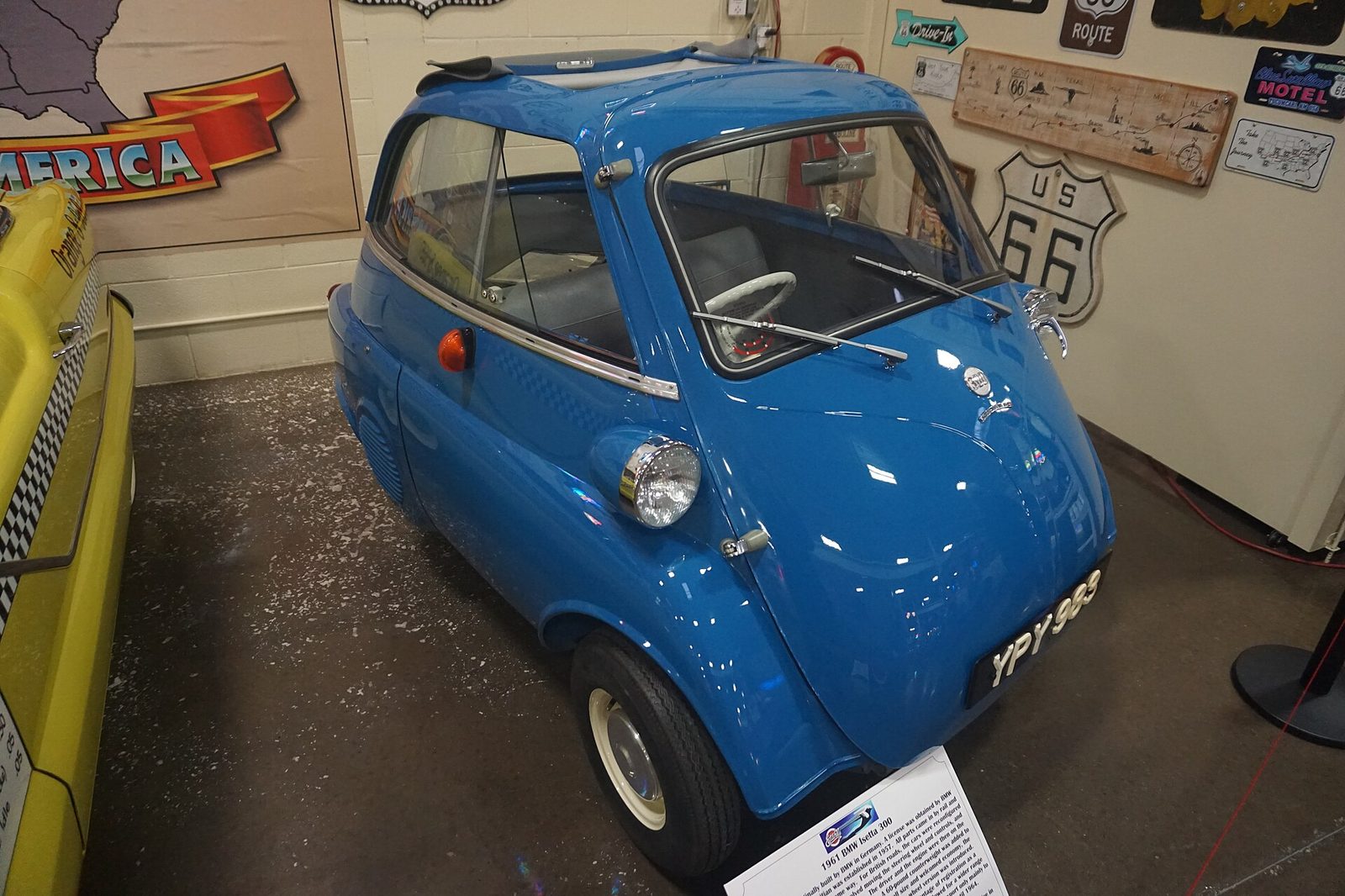
Isetta (Isetta 250 / 300 and BMW 600)

1955–1962

The BMW Isetta was not a BMW design. It began as the Iso Isetta, drawn for Renzo Rivolta's Milanese refrigerator and motorcycle firm by the engineers Ermen

Medium confidence19 cited sources 7 disputed
Read history
BMW

M3 (E30)

1986–1991 · 17,970 built

The BMW M3 (E30) is the car that founded the M3 name, and it was born for one reason: to go racing. BMW needed a homologation special to qualify a 3 Series

High confidence7 cited sources 2 disputed
Read history
BMW

M3 (E36)

1992–1999

The E36 M3 (1992-1999) is where BMW M stopped building homologation specials and started building a product line. Where the E30 M3 was a four-cylinder Grou

High confidence24 cited sources 6 disputed
Read history
BMW

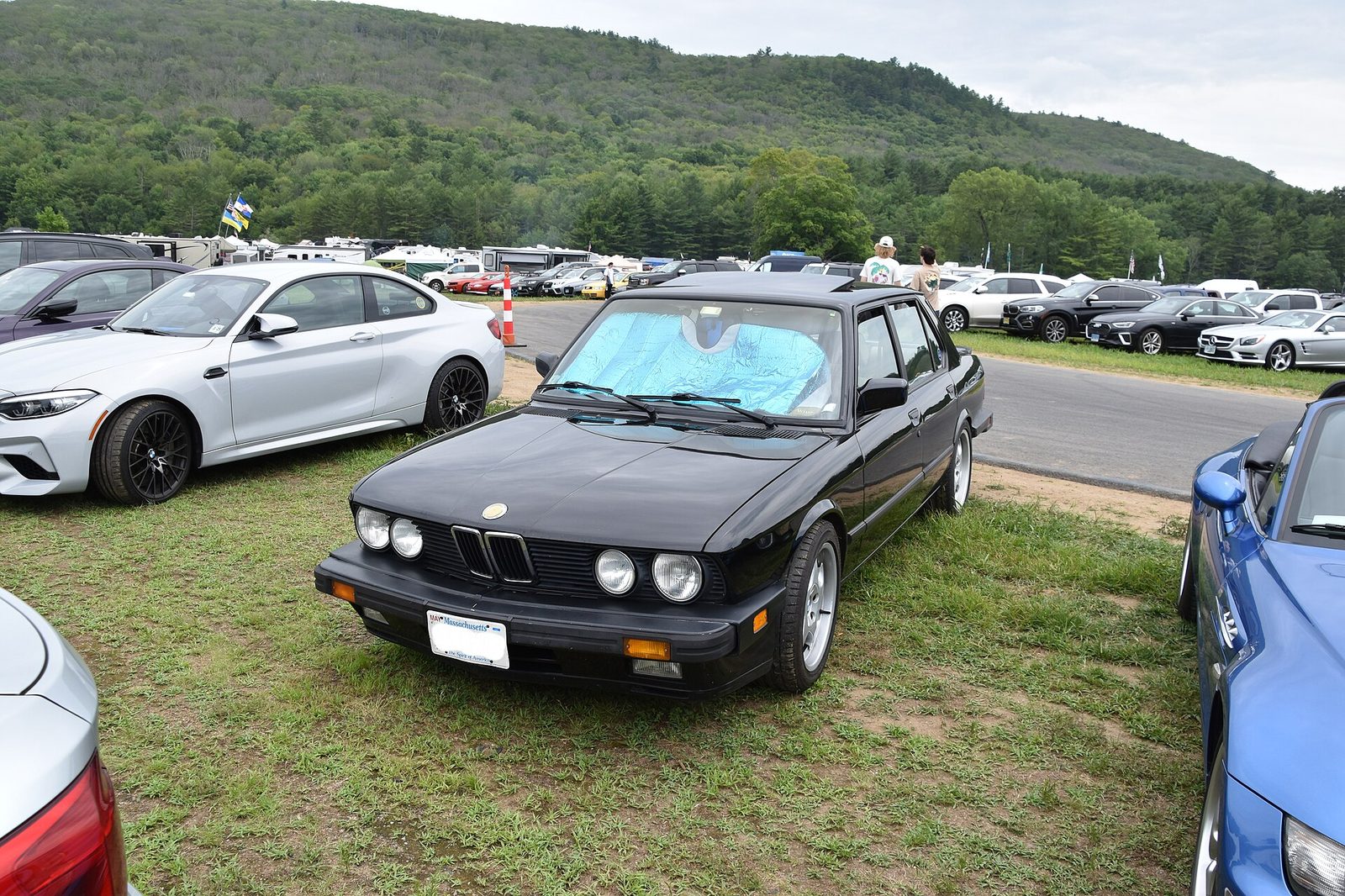
M5 (E28)

1985–1988

The BMW M5 (E28, 1985-1988) was the first car to wear the badge and the car that created the super-saloon class. It was a plain four-door body, assembled b

High confidence20 cited sources 3 disputed
Read history
Chevrolet

Camaro (First generation)

1967–1969

Chevrolet met the Ford Mustang three years late, and with more engine. The Camaro was shown to the press in Detroit on 12 September 1966 and reached dealer

High confidence24 cited sources 4 disputed
Read history
Chevrolet

Chevelle SS (Second generation)

1968–1972

The second-generation Chevelle SS covers the 1968-1972 A-body, and across those five model years the car changes character completely. It arrives in 1968 a

Medium confidence20 cited sources 4 disputed
Read history
Chevrolet

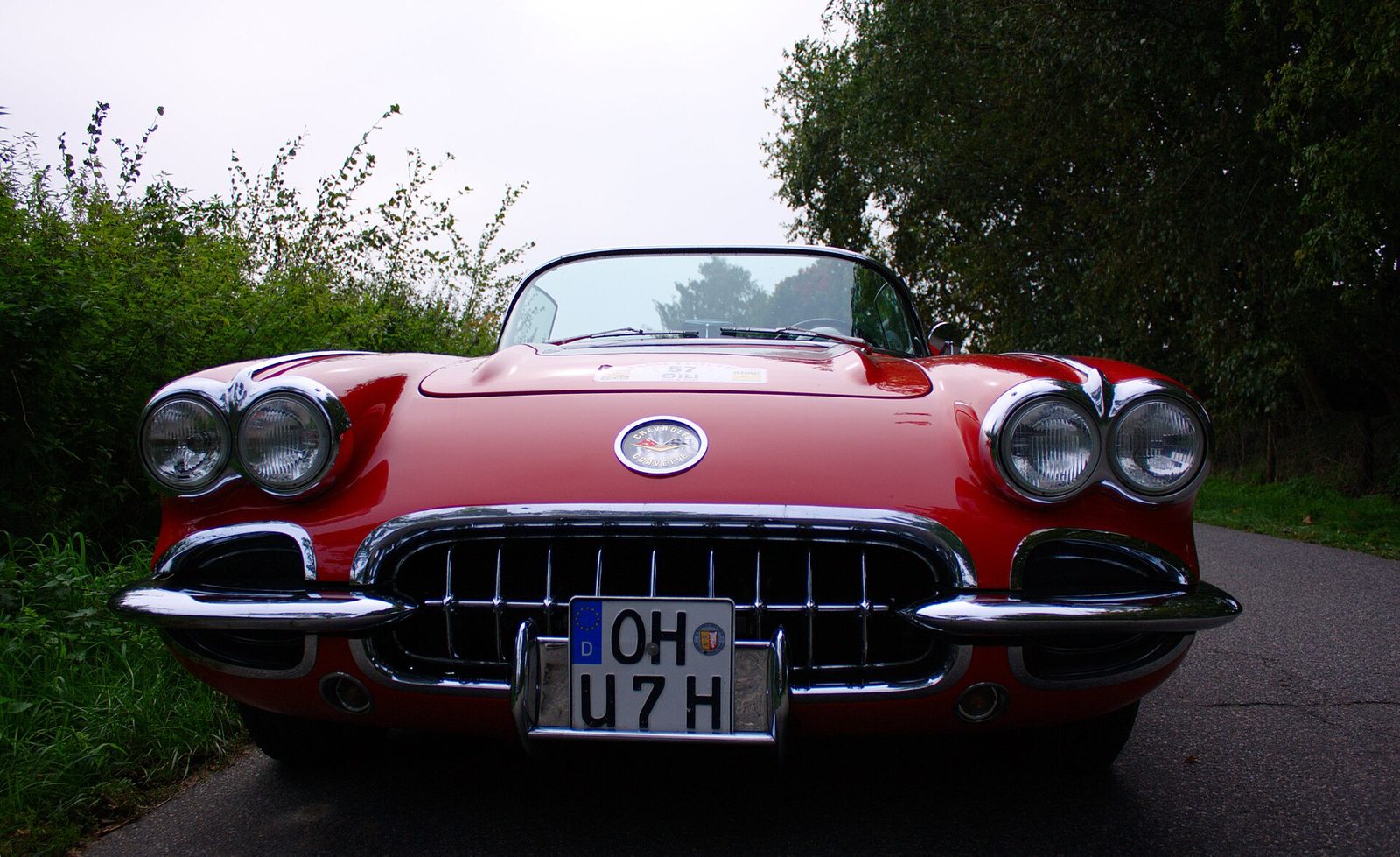
Corvette (C1)

1953–1962

The Chevrolet Corvette C1 (1953-1962) began as a Motorama show car and spent its first two seasons close to cancellation. The 300 cars built largely by han

High confidence31 cited sources 5 disputed
Read history
Chevrolet

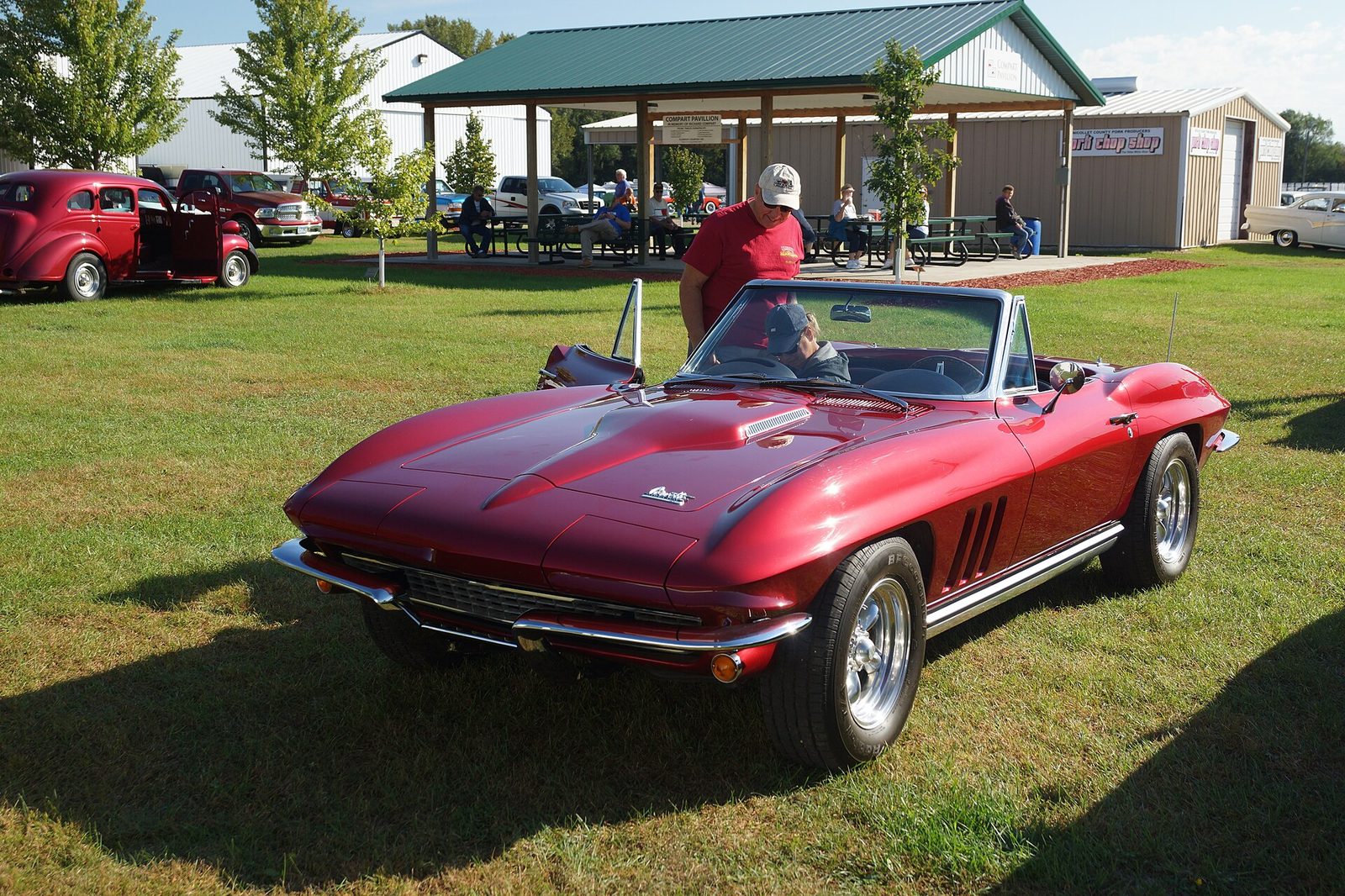
Corvette (C2 Sting Ray)

1963–1967 · 117,964 built

The second-generation Corvette (1963-1967) replaced the C1's leaf-sprung live axle with an independent rear end on a shorter 98-inch wheelbase, and added a

High confidence25 cited sources 5 disputed
Read history
Chevrolet

Corvette (C3)

1968–1982

The third-generation Corvette (1968-1982) took the Mako Shark II show car's waisted, high-fendered shape into production and then carried it, largely uncha

High confidence21 cited sources 1 disputed
Read history
Chevrolet

Corvette ZR-1 (C4)

1990–1995

The Corvette ZR-1 was the option that turned a Chevrolet into a 175 mph car. Announced for 1989, delayed a year and sold from 1990 to 1995, it was built ar

High confidence21 cited sources 3 disputed
Read history
Citroen

DS (D-Series)

1955–1975

The Citroen DS (1955-1975) replaced the Traction Avant after a programme running intermittently since before the war. Andre Lefebvre laid the car out with

Medium confidence20 cited sources 6 disputed
Read history
Datsun

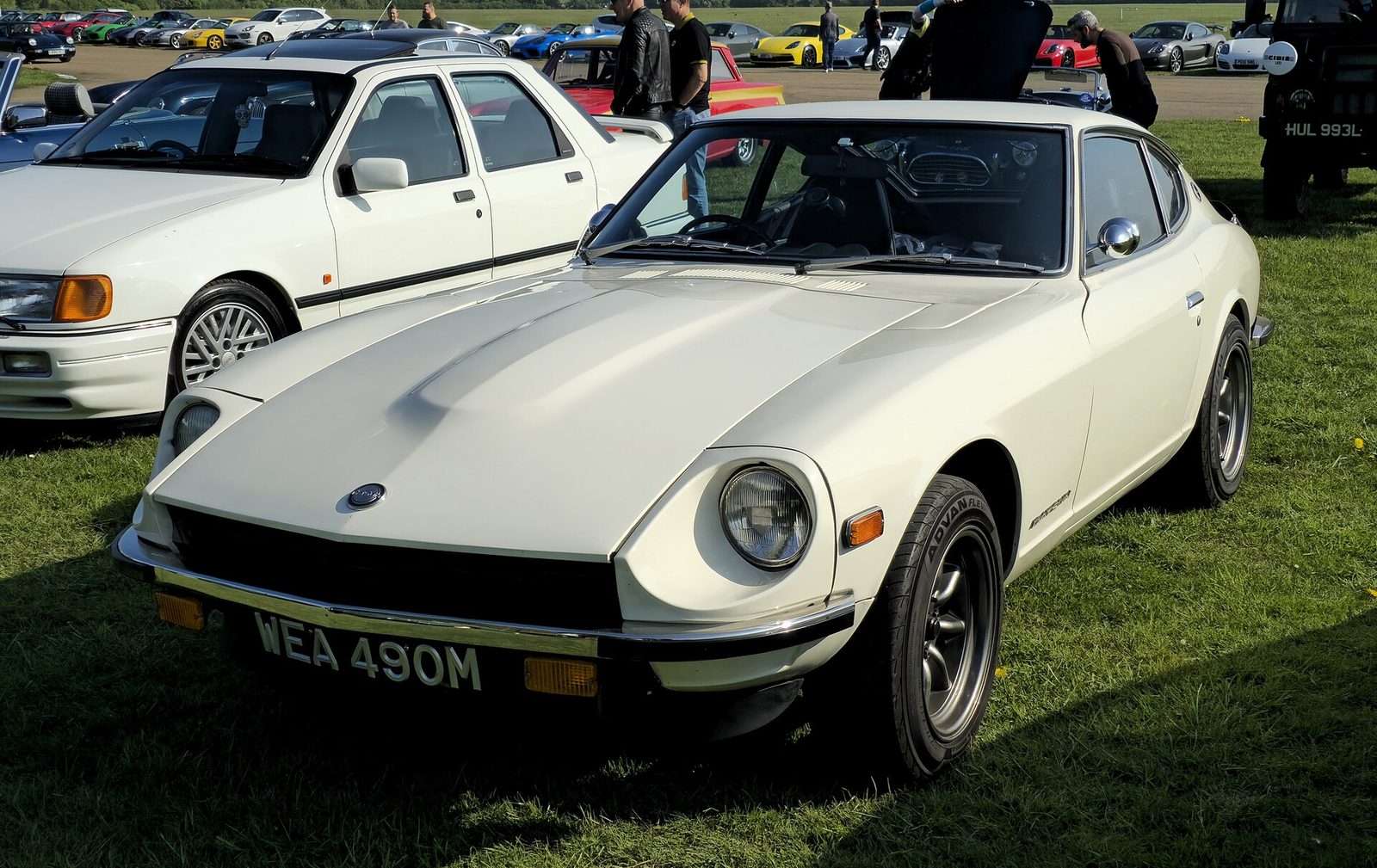
240Z (S30)

1969–1973 · 164,616 built

The Datsun 240Z is the car that put Japan on the sports-car map. Launched for 1970 (built from late 1969), it paired a smooth 2.4-liter overhead-cam inline

High confidence7 cited sources 3 disputed
Read history
Datsun

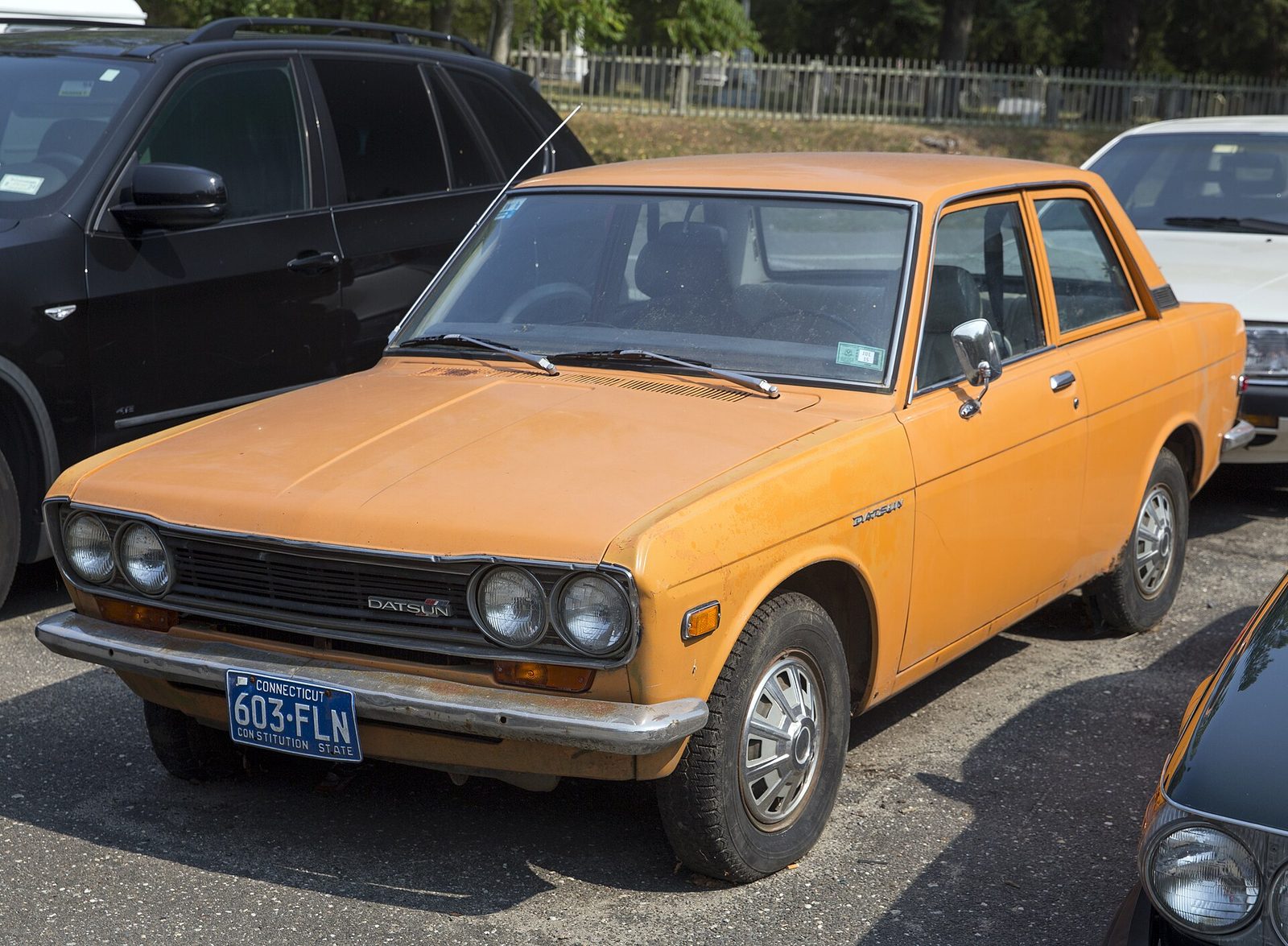
510 (Third-generation Bluebird (510))

1968–1973

The Datsun 510 was the North American name for the third-generation Nissan Bluebird, launched in Japan in August 1967 and sold in the United States from 19

High confidence21 cited sources 3 disputed
Read history
De Tomaso

Pantera (Pantera)

1971–1992

The De Tomaso Pantera (1971-1992) came out of an arrangement that had no obvious precedent: an Italian mid-engined coupe drawn by an American working at Gh

Medium confidence23 cited sources 3 disputed
Read history
DeLorean

DMC-12 (1981–1983)

1981–1983 · 8,975 built

The DeLorean DMC-12 is one of the most instantly recognizable cars ever built: a wedge-shaped, Giorgetto Giugiaro-designed coupe wrapped in unpainted brush

High confidence5 cited sources 2 disputed
Read history
Dodge

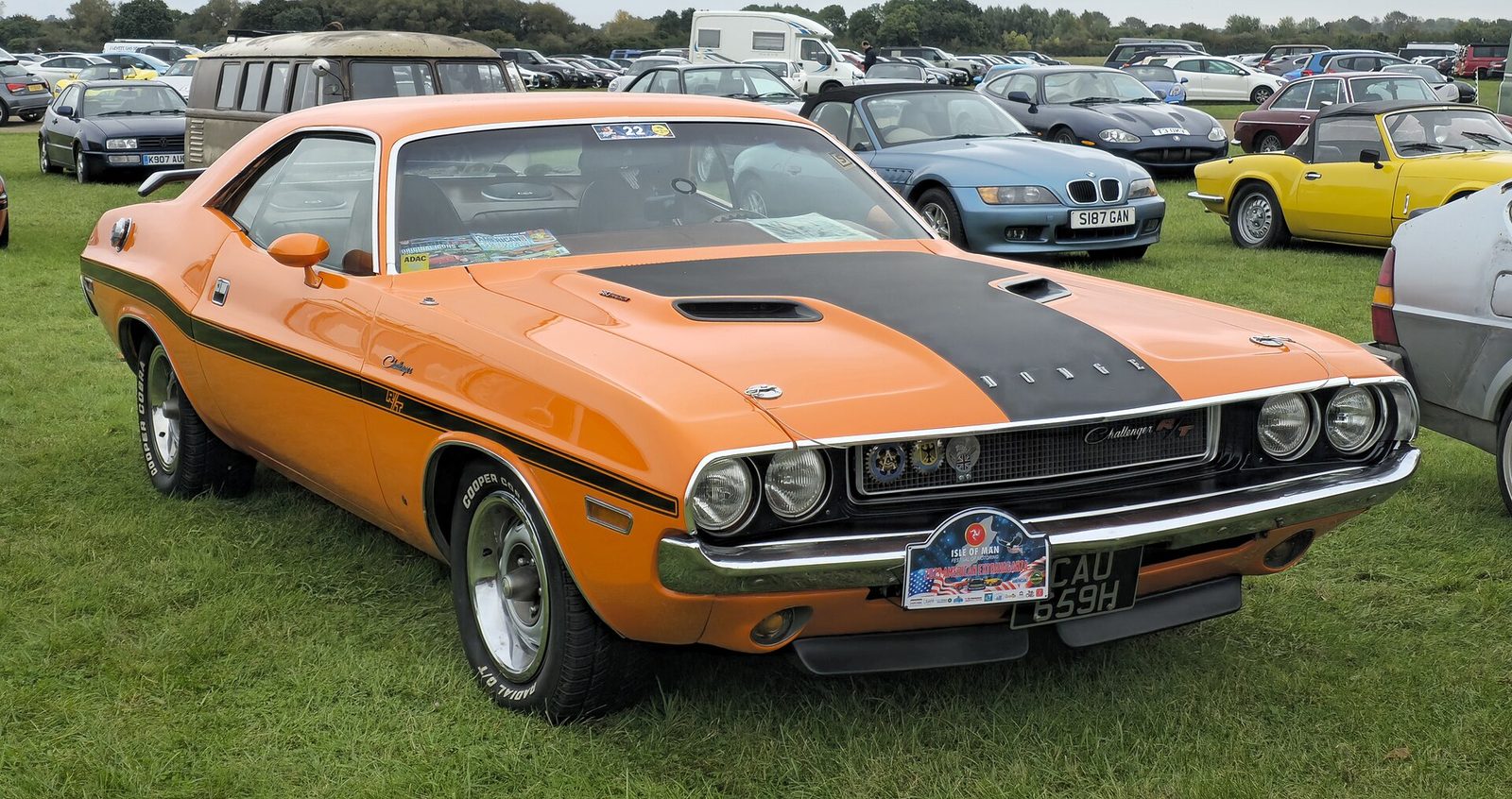
Challenger (First generation (E-body))

1970–1974

The first-generation Dodge Challenger (1970-1974) was Chrysler's late and expensive entry into the pony car war, and the more upmarket of the two E-body ca

High confidence21 cited sources 4 disputed
Read history
Dodge

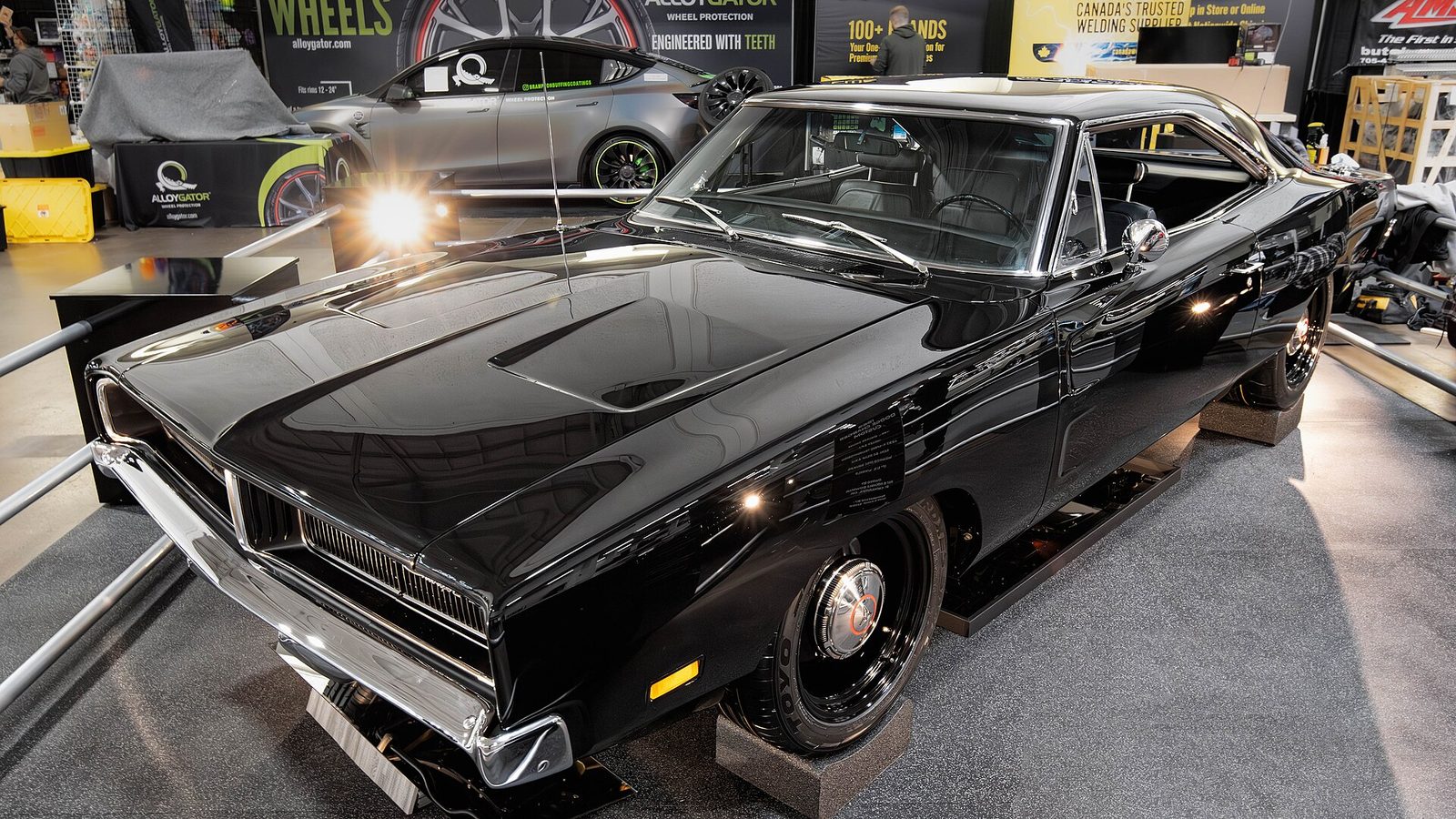
Charger (Second generation)

1968–1970

The second-generation Dodge Charger (1968-1970) replaced the fastback first car with a Coke-bottle B-body coupe on a flying-buttress roofline, and the mark

Medium confidence17 cited sources 4 disputed
Read history
Ferrari

308 GTB/GTS

1975–1985 · 12,112 built

The Ferrari 308 is the car that put a mid-engined V8 Ferrari within reach of a generation — and, thanks to Magnum, P.I., into millions of living rooms. Lau

High confidence7 cited sources 3 disputed
Read history
Ferrari

328 GTB / GTS (328)

1985–1989 · 7,412 built

The Ferrari 328 (1985-1989) is the last and most developed form of the transverse-V8 line that began with the 308 GTB in 1975, and it is best read as a ref

High confidence20 cited sources 2 disputed
Read history
Ferrari

Dino 246 (Dino 246 GT and GTS)

1969–1974

The Dino 246 GT and GTS were built at Maranello between 1969 and 1974 and sold under the Dino marque rather than as Ferraris. No prancing horse appeared on

High confidence21 cited sources 3 disputed
Read history
Ferrari

F355 (F355)

1994–1999

The Ferrari F355 (1994-1999) replaced the 348 and set out to correct almost everything the earlier car had been criticised for. The name is a specification

High confidence20 cited sources 5 disputed
Read history
Ferrari

F40 (F40)

1987–1992

The Ferrari F40 (1987-1992) was built to mark the marque's fortieth year and was the last new model Enzo Ferrari personally approved and presented before h

High confidence14 cited sources 2 disputed
Read history
Ferrari

Testarossa (Testarossa)

1984–1991 · 7,177 built

The Ferrari Testarossa (1984-1991) replaced the 512 BBi and was designed around two specific complaints about that car: a cabin cooked by coolant pipes run

High confidence22 cited sources 4 disputed
Read history
Ford

Bronco (1966–1977 (First Generation))

1966–1977 · 225,861 built

The first-generation Ford Bronco (1966–1977) was Ford's original compact 4x4, conceived under Donald Frey and approved by Lee Iacocca to challenge the Jeep

Medium confidence6 cited sources 2 disputed
Read history
Ford

F-100 (Fifth generation (‘bumpside’))

1967–1972

The fifth-generation Ford F-Series, built for the 1967 to 1972 model years and universally called the bumpside after the horizontal crease running from fro

Medium confidence19 cited sources 3 disputed
Read history
Ford

GT40 (Mk I / Mk II / Mk III / Mk IV)

1964–1969

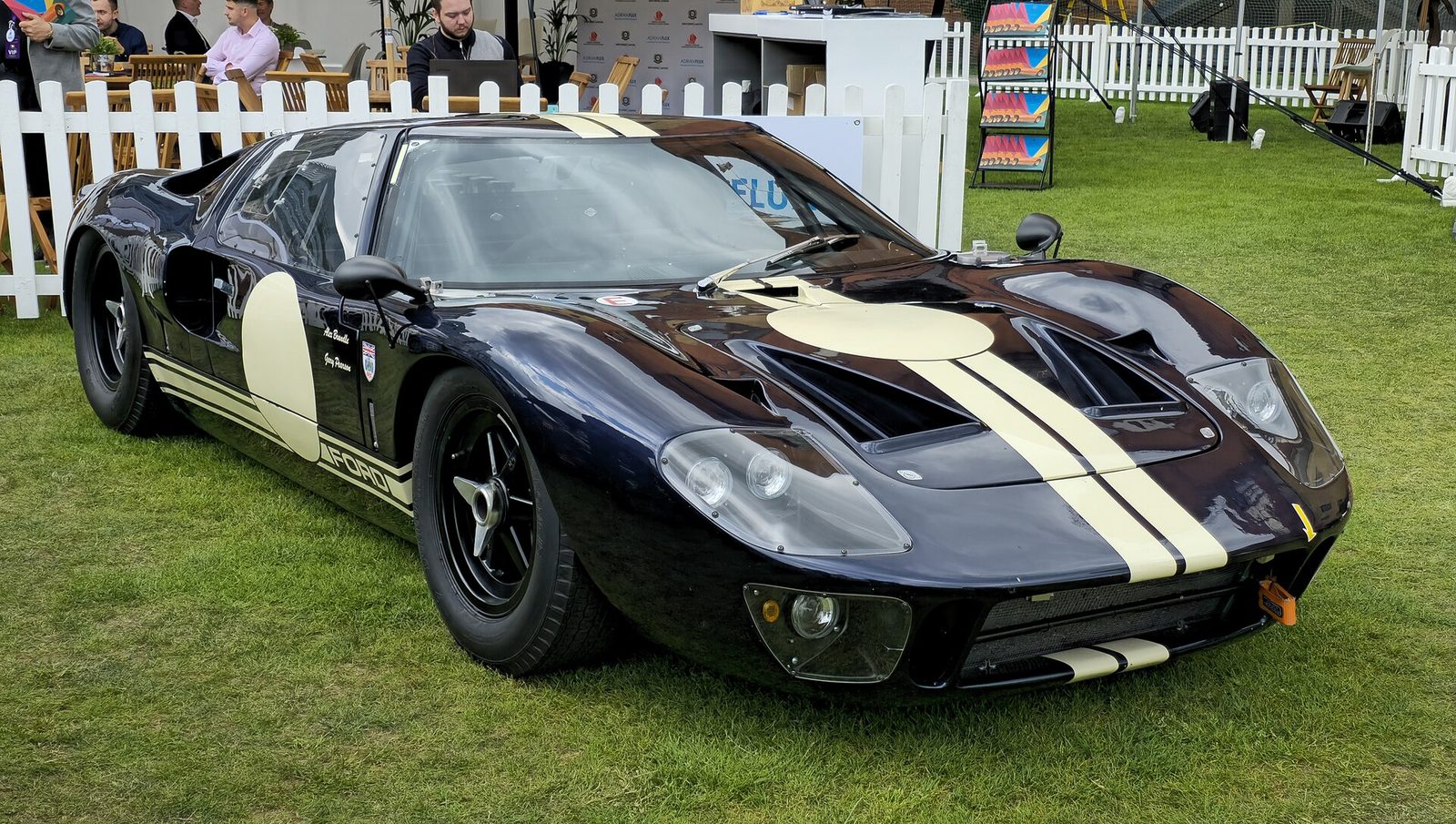
The Ford GT40 was the product of Henry Ford II's decision, after a failed attempt to buy Ferrari, to win the 24 Hours of Le Mans outright. Its starting poi

Medium confidence24 cited sources 4 disputed
Read history
Ford

Mustang (1965–1968 (First Generation))

1965–1968 · 1,956,544 built

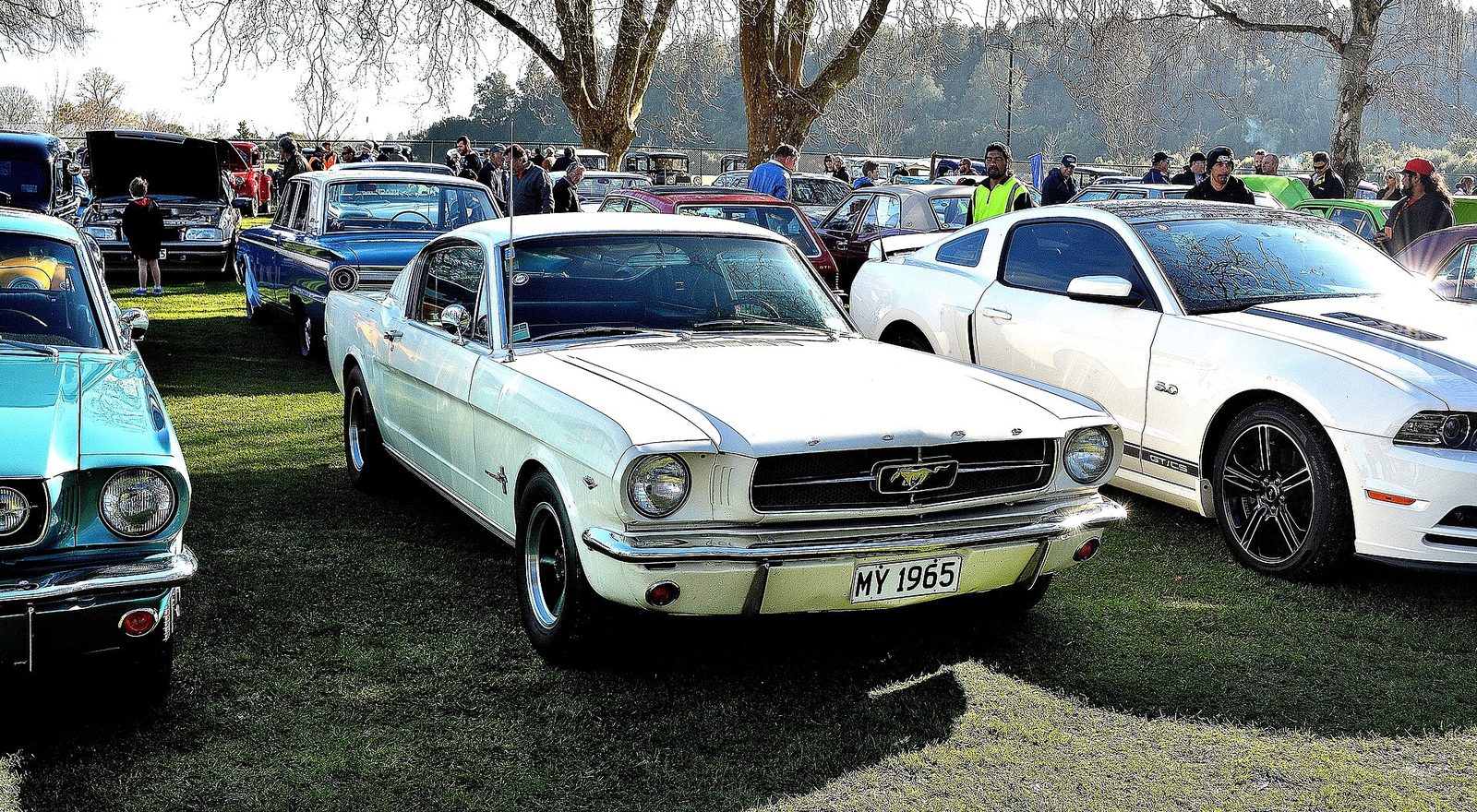
The first-generation Ford Mustang, unveiled April 17, 1964, created the 'pony car' segment and remains the defining affordable American classic. Built on h

High confidence6 cited sources 2 disputed
Read history
Ford

Thunderbird (First generation (the two-seat 'Baby Bird' or 'Classic Thunderbird'))

1955–1957

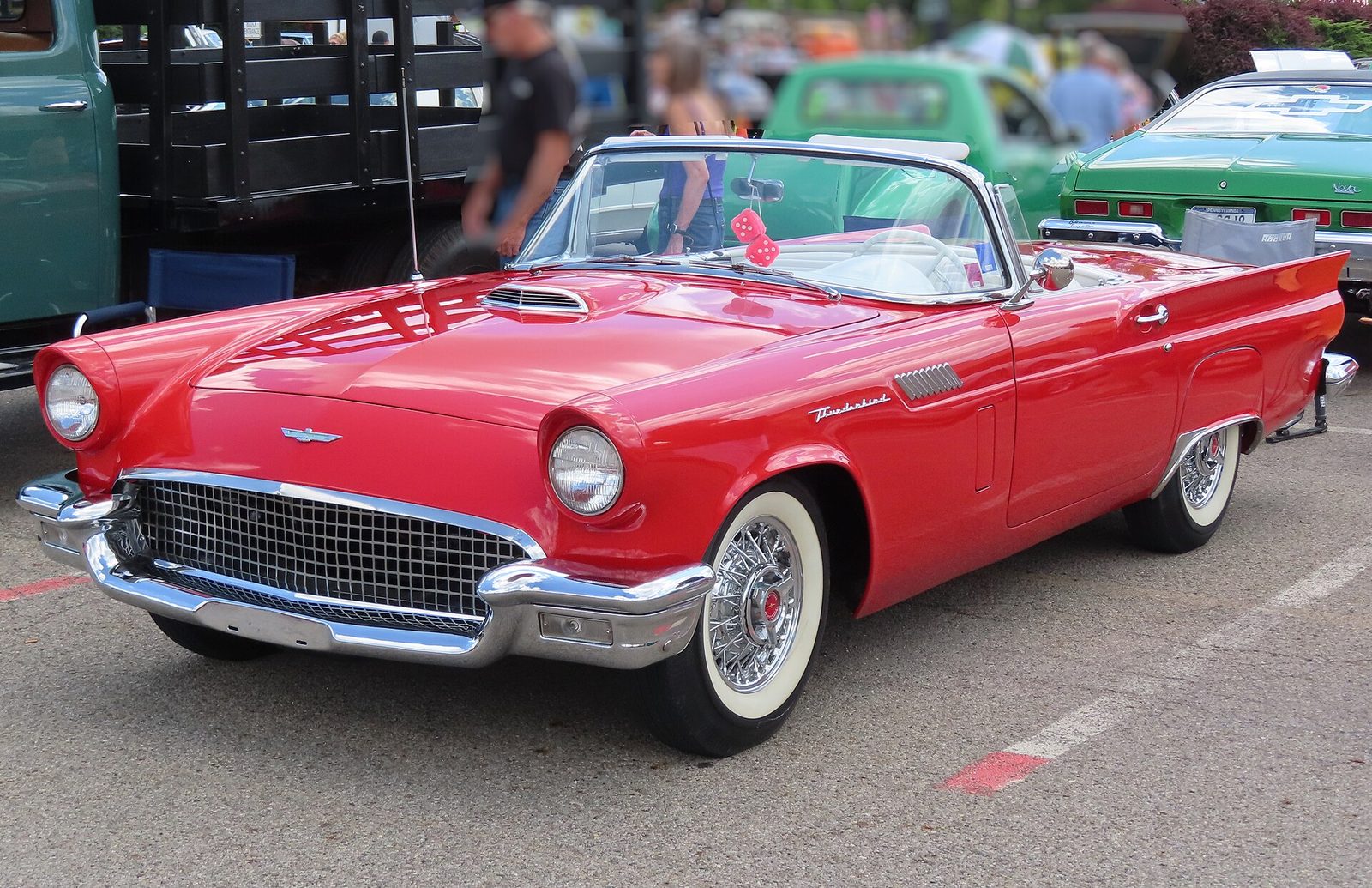
The first-generation Ford Thunderbird (1955-1957) was Ford's answer to the Chevrolet Corvette, and it answered by declining the question. Where Chevrolet b

High confidence22 cited sources 5 disputed
Read history
Honda

S2000 (AP1 / AP2)

1999–2009

The Honda S2000 was launched on 15 April 1999 to mark Honda's fiftieth year, a front-mid-engined, rear-drive roadster descended from the SSM concept shown

High confidence23 cited sources 4 disputed
Read history
Jaguar

E-Type (Series 1)

1961–1968

The Jaguar E-Type Series 1 (1961-1968) put racing-derived engineering under a body drawn by an aerodynamicist and sold it for a fraction of what a comparab

High confidence16 cited sources 4 disputed
Read history
Lamborghini

Countach (Countach (LP400 to 25th Anniversary))

1974–1990

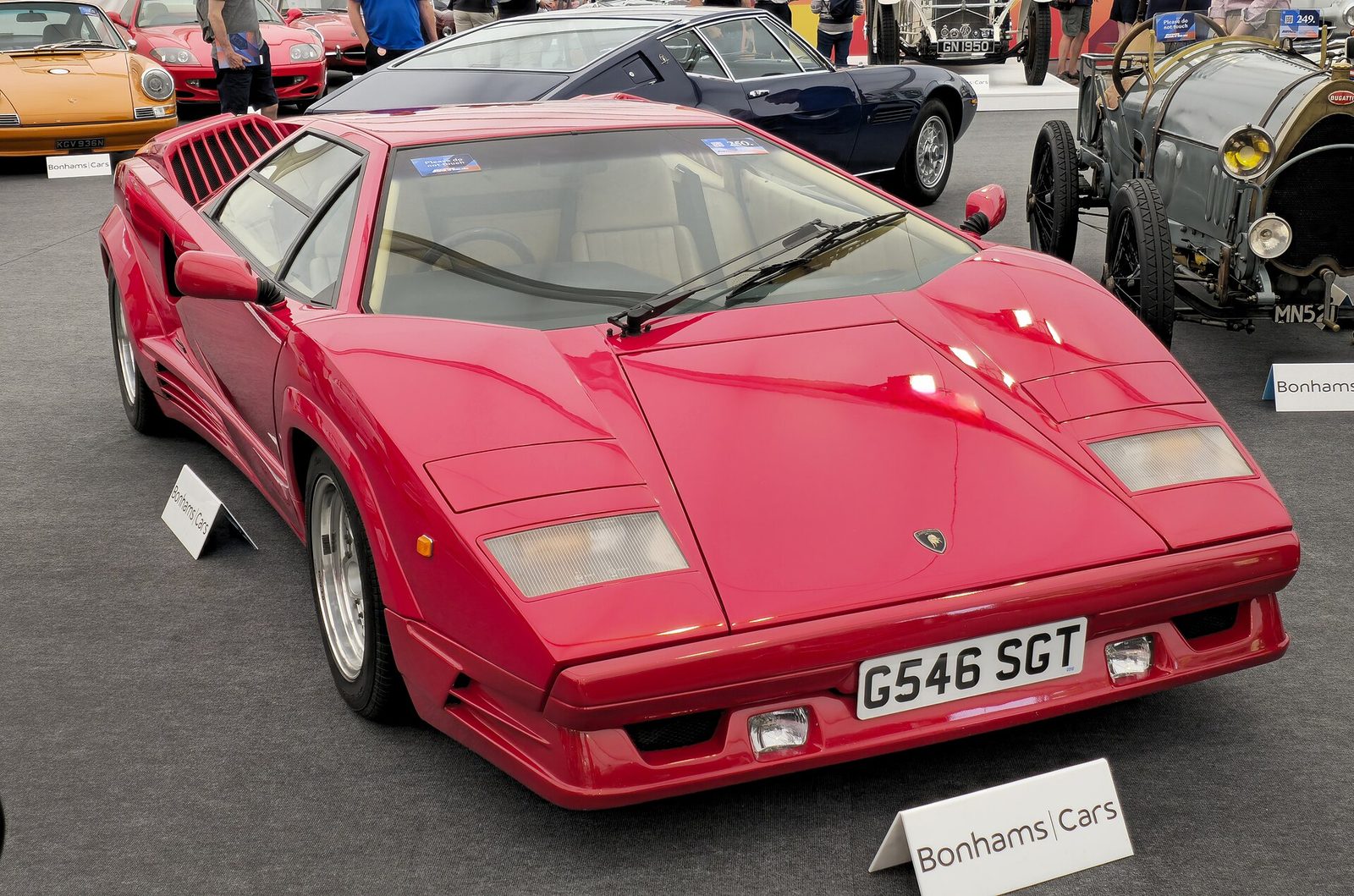
The Lamborghini Countach ran from 1974 to 1990 and set the shape of the mid-engined supercar for a generation. Bertone showed the LP500 prototype at Geneva

High confidence22 cited sources 7 disputed
Read history
Lamborghini

Miura (Miura)

1966–1973

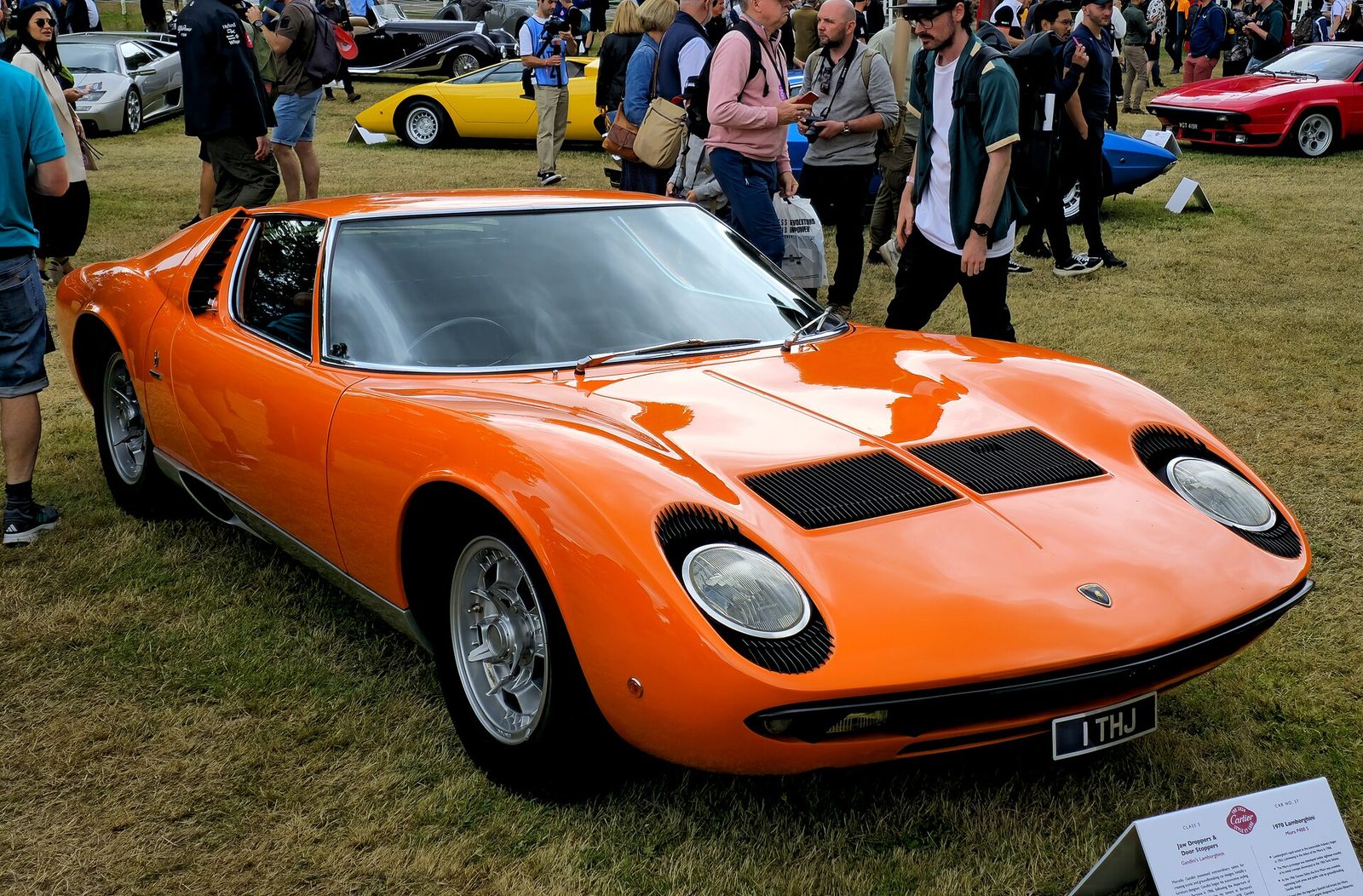
The Lamborghini Miura ran from 1966 to 1973 and settled the argument about where the engine of a fast road car belongs. It began as an out-of-hours project

High confidence22 cited sources 6 disputed
Read history
Lancia

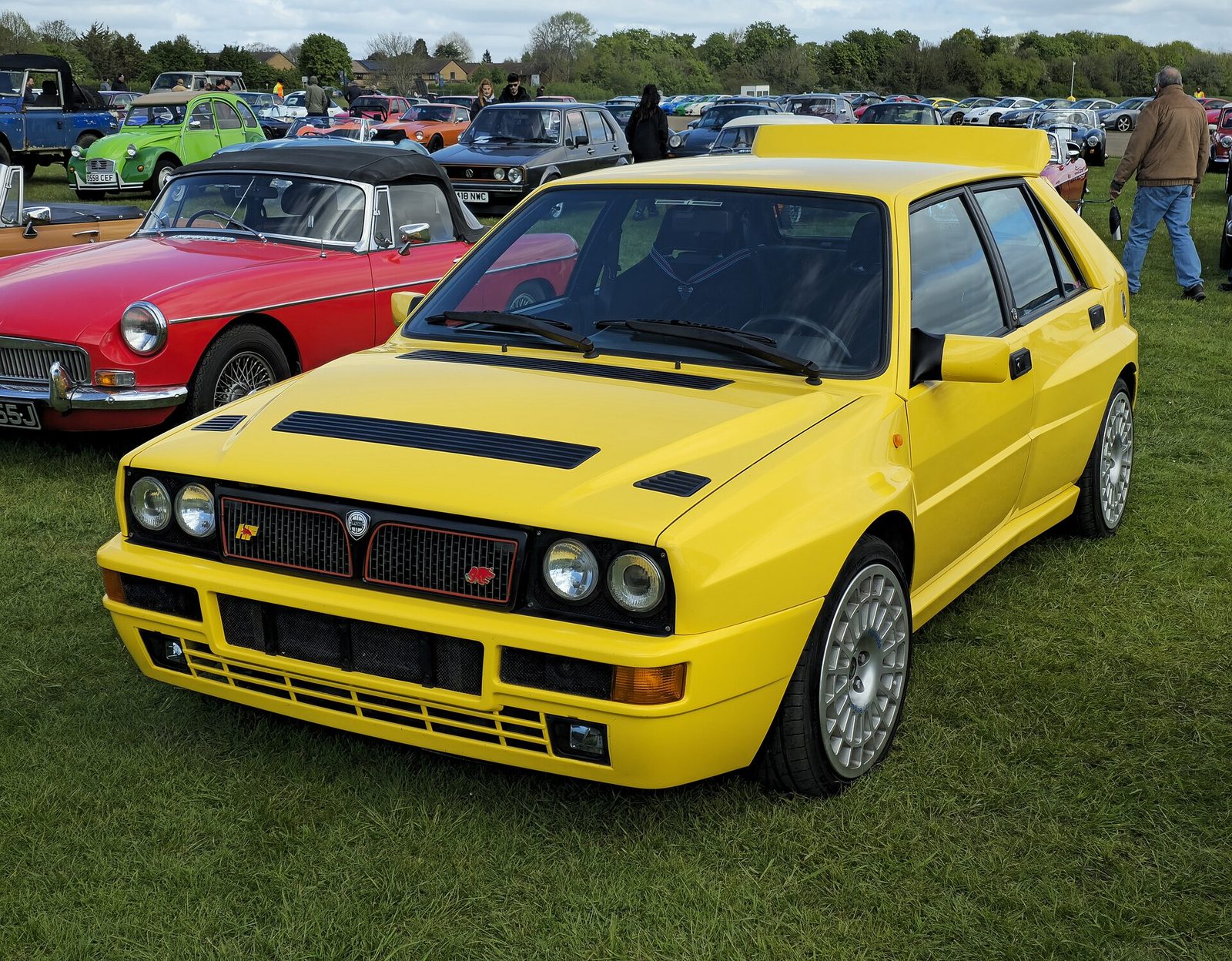
Delta (HF Integrale (Type 831))

1987–1994 · 44,296 built

The Lancia Delta HF Integrale is the road-going basis for the most successful car in World Rally Championship history. It began as the Delta HF 4WD of 1986

High confidence16 cited sources 2 disputed
Read history
Land Rover

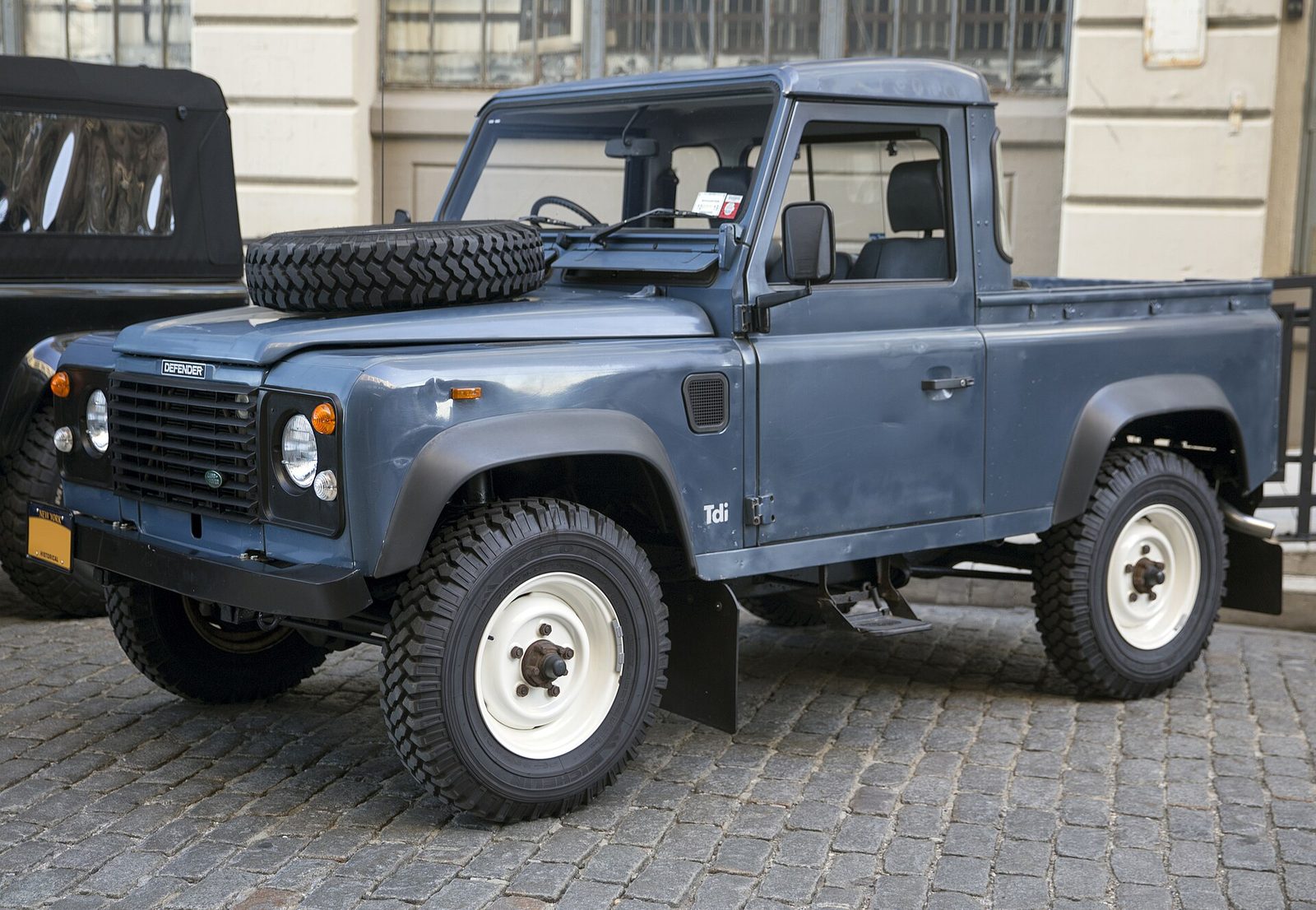
Defender (Coil-sprung Ninety / One Ten / Defender)

1983–2016

The coil-sprung Land Rover replaced the leaf-sprung Series III in stages, arriving as the One Ten in 1983 and the Ninety in 1984, and taking the Defender n

Medium confidence18 cited sources 3 disputed
Read history
Land Rover

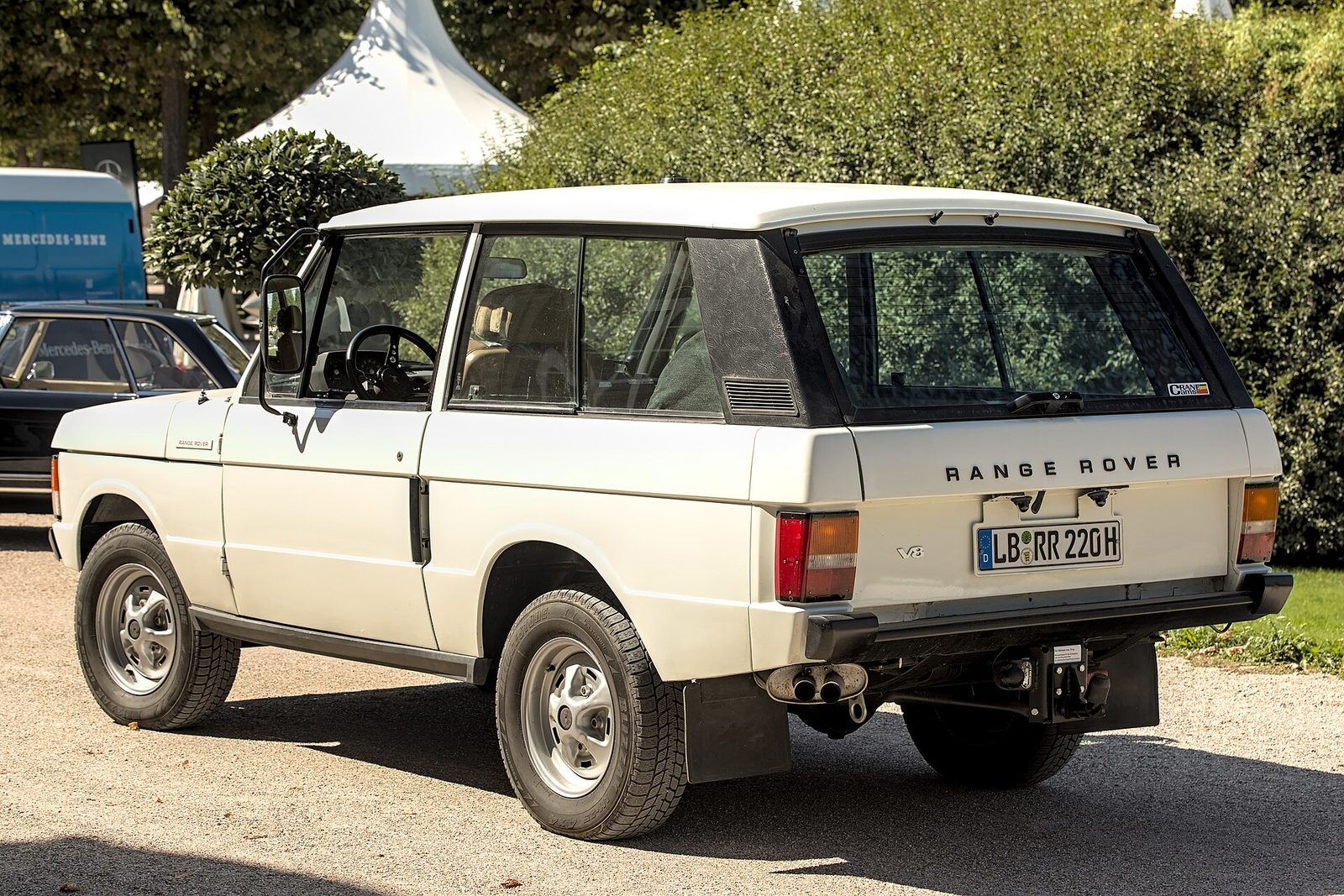
Range Rover Classic (First generation)

1970–1996

The Range Rover of 1970, renamed Range Rover Classic in 1994 to separate it from its successor, was Charles Spencer King and Gordon Bashford's attempt to g

High confidence21 cited sources 5 disputed
Read history
MG

MGB (MGB (Roadster and GT))

1962–1980

The MGB replaced the MGA in September 1962 and stayed in production at Abingdon until October 1980, an eighteen-year run that made it, on the figures its o

High confidence26 cited sources 5 disputed
Read history
Mazda

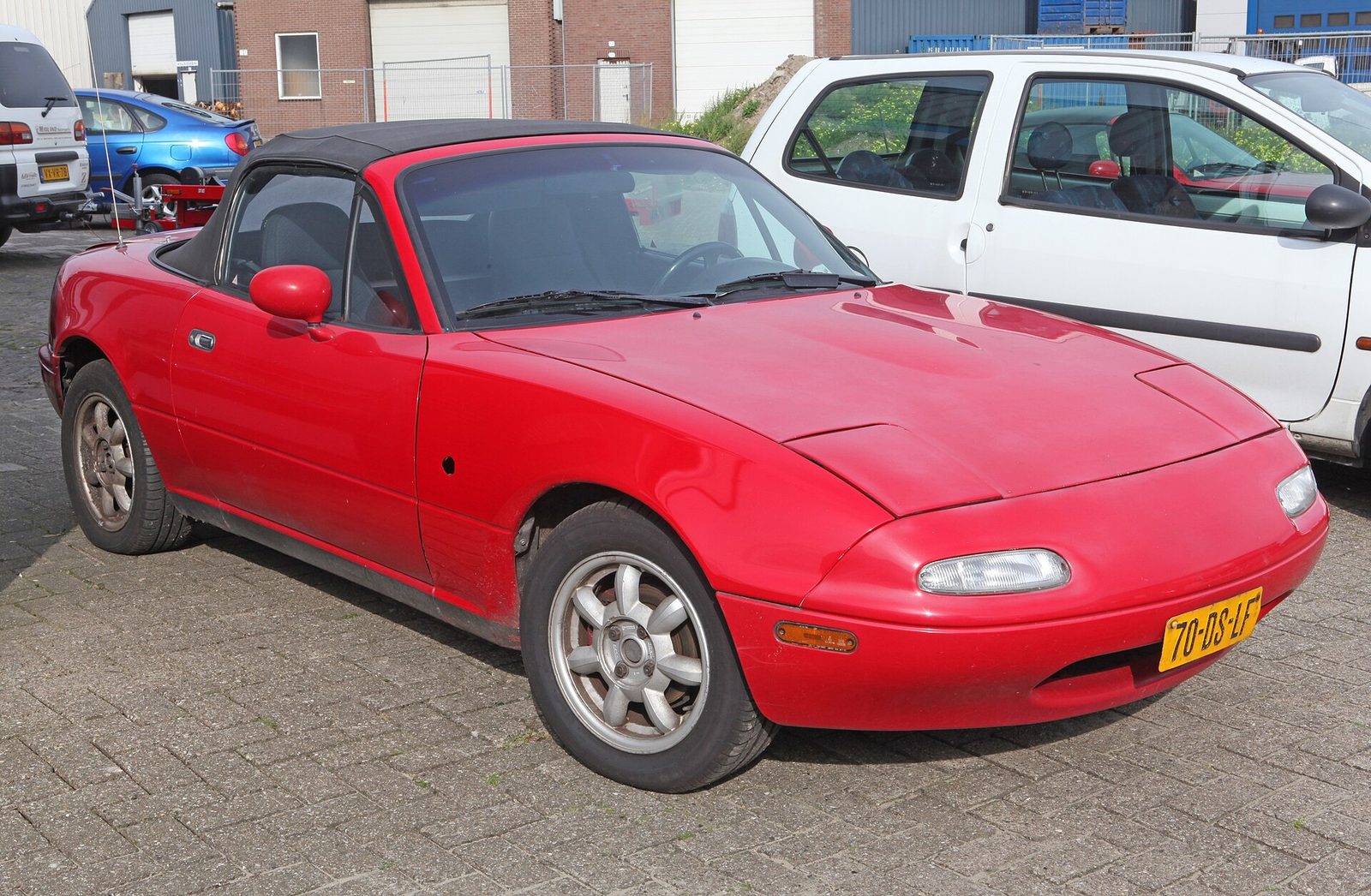
MX-5 (NA (MX-5 / Miata / Eunos Roadster))

1989–1997

The Mazda MX-5 - Miata in North America, Eunos Roadster in Japan - was shown at the Chicago Auto Show in February 1989 and put a small, cheap, front-engine

High confidence22 cited sources 3 disputed
Read history
Mazda

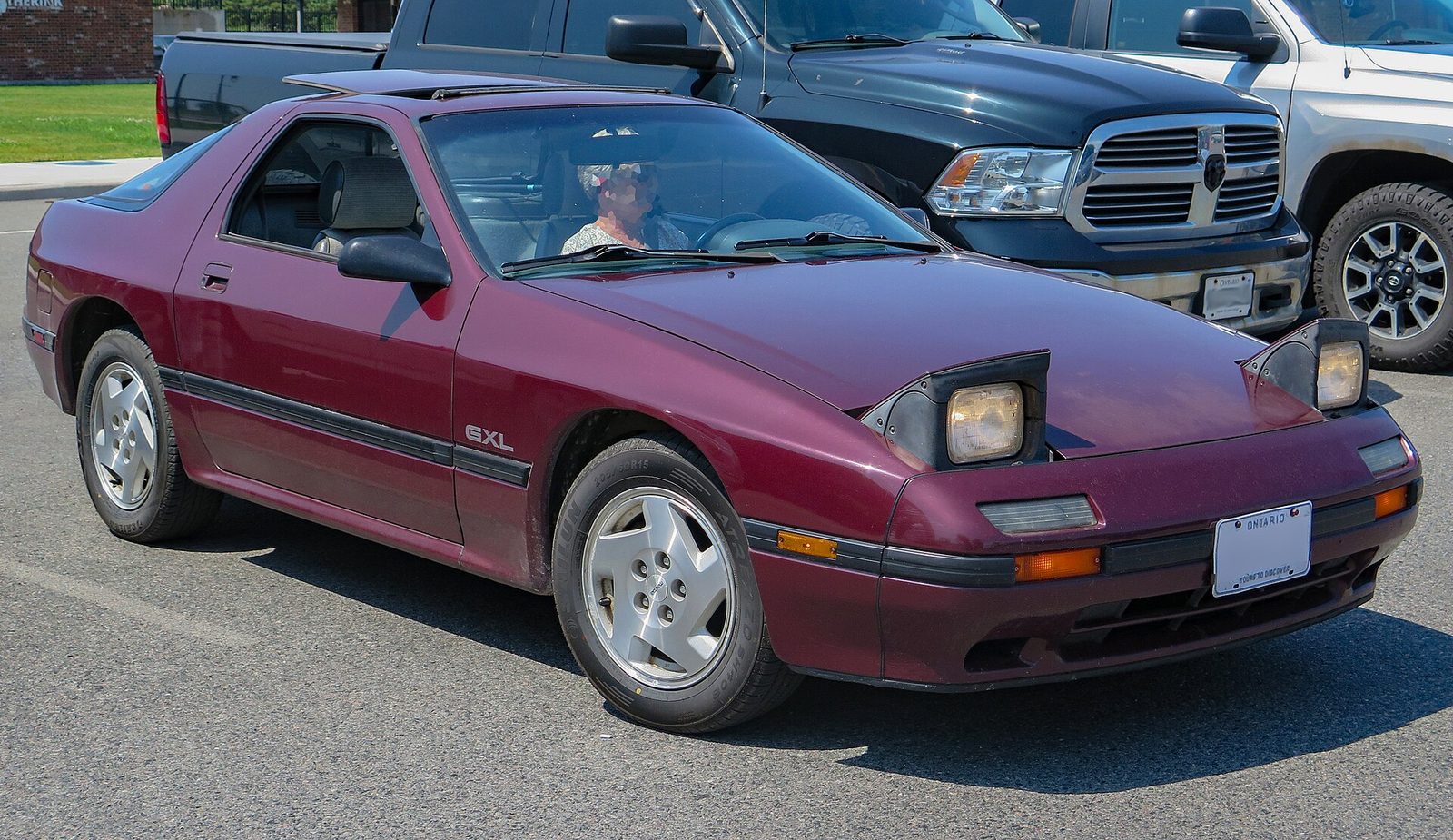
RX-7 (Second generation)

1986–1992

The second-generation Mazda RX-7 replaced the first-generation car for 1986 and ran until 1992, sold in Japan as the Savanna RX-7 and coded FC3S as a coupe

Medium confidence23 cited sources 4 disputed
Read history
Mazda

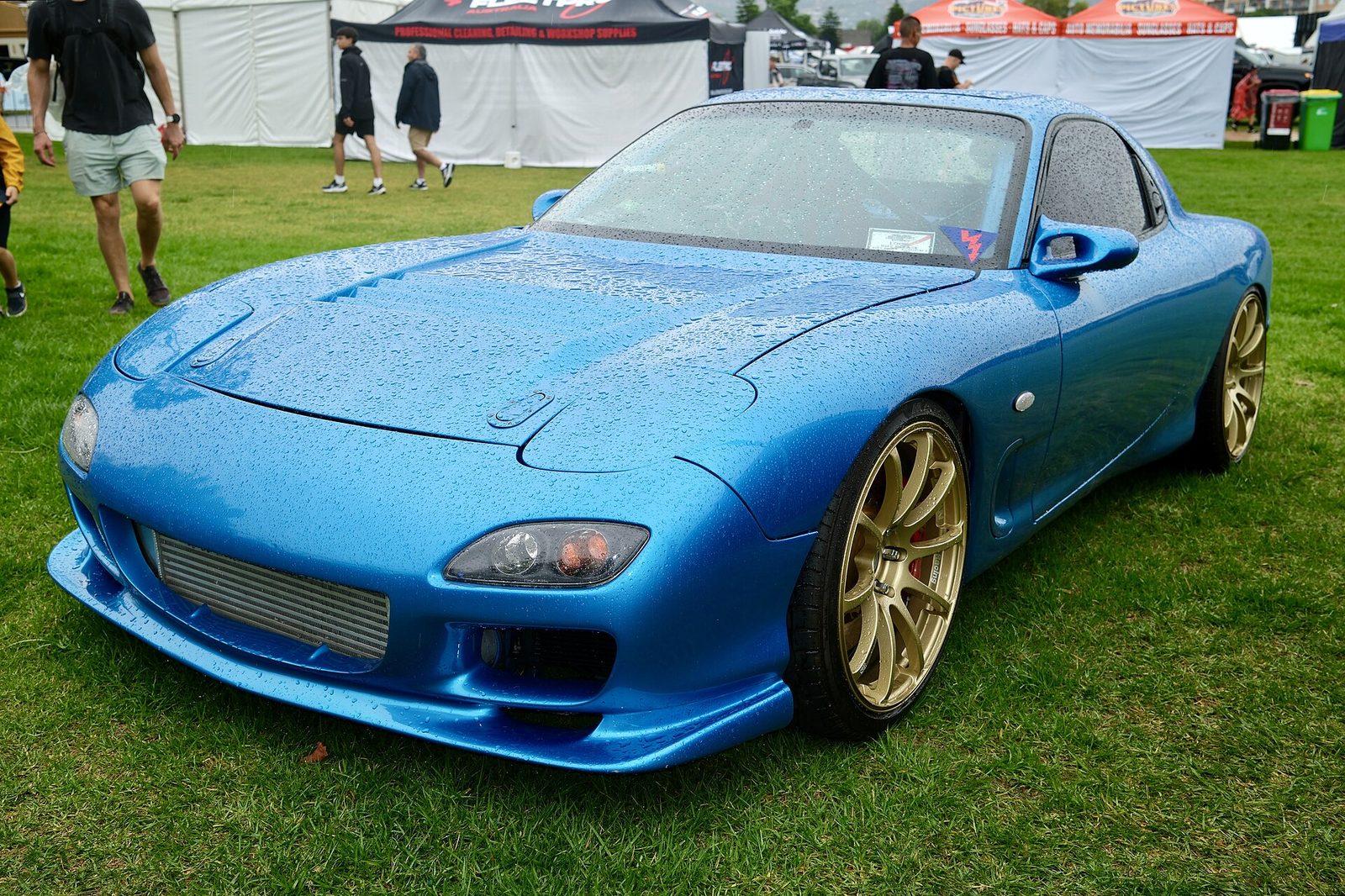
RX-7 (FD (FD3S))

1992–2002 · 68,589 built

The third-generation Mazda RX-7 (FD3S, 1992-2002) is widely regarded as the high-water mark of the rotary sports car and one of the finest Japanese designs

High confidence7 cited sources 3 disputed
Read history
Mercedes-Benz

190E Cosworth (190 E 16-valve (2.3-16, 2.5-16, Evolution I, Evolution II))

1984–1993

The Mercedes-Benz 190 E 2.3-16 and the 2.5-litre cars that followed it were the sixteen-valve homologation specials built on the compact W201 saloon from 1

High confidence20 cited sources 5 disputed
Read history
Mercedes-Benz

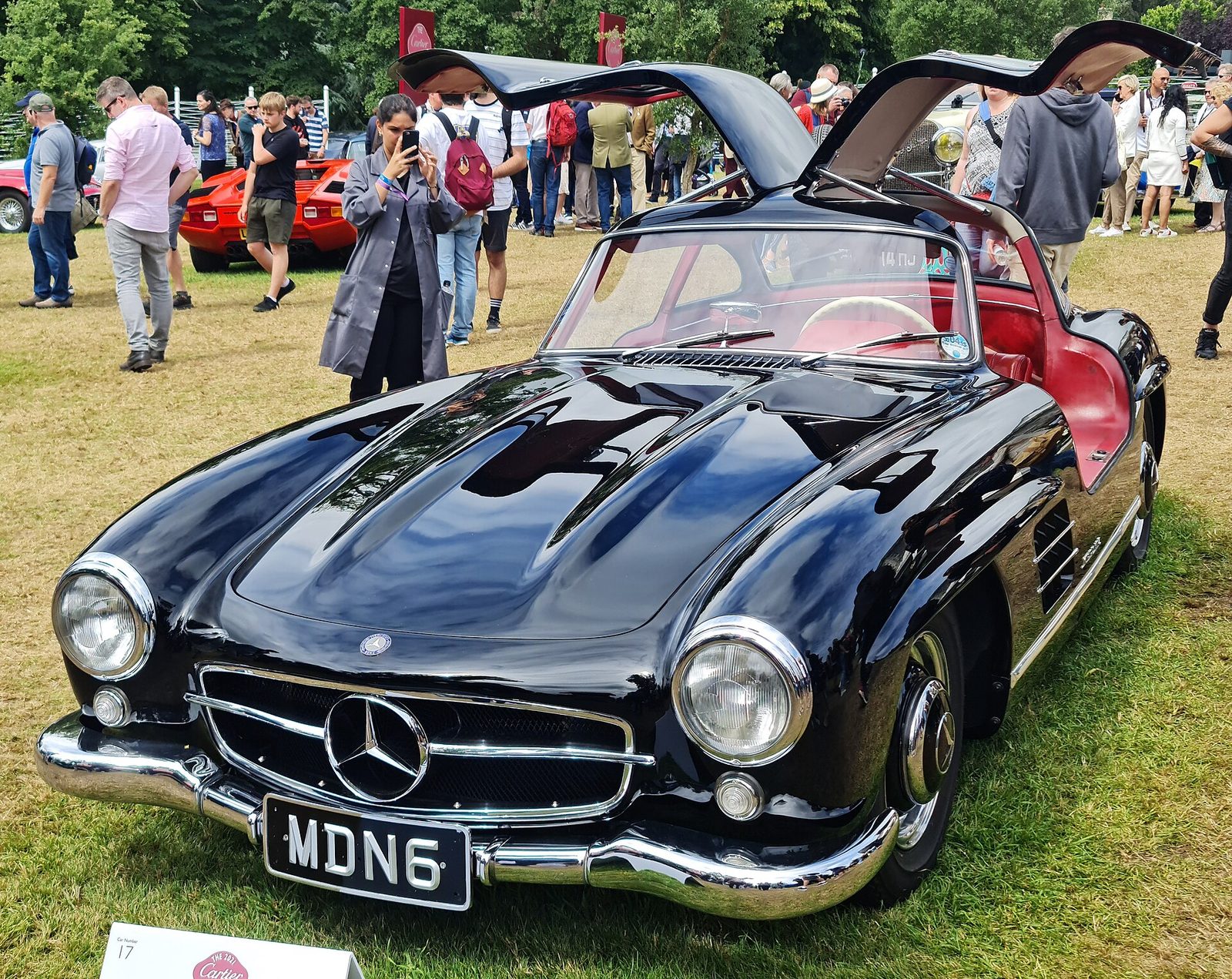
300 SL (W198)

1954–1963

The Mercedes-Benz 300 SL (W198) is the road car that followed the W194 sports racer into showrooms at the insistence of US importer Max Hoffman, who commit

High confidence12 cited sources 3 disputed
Read history
Mercedes-Benz

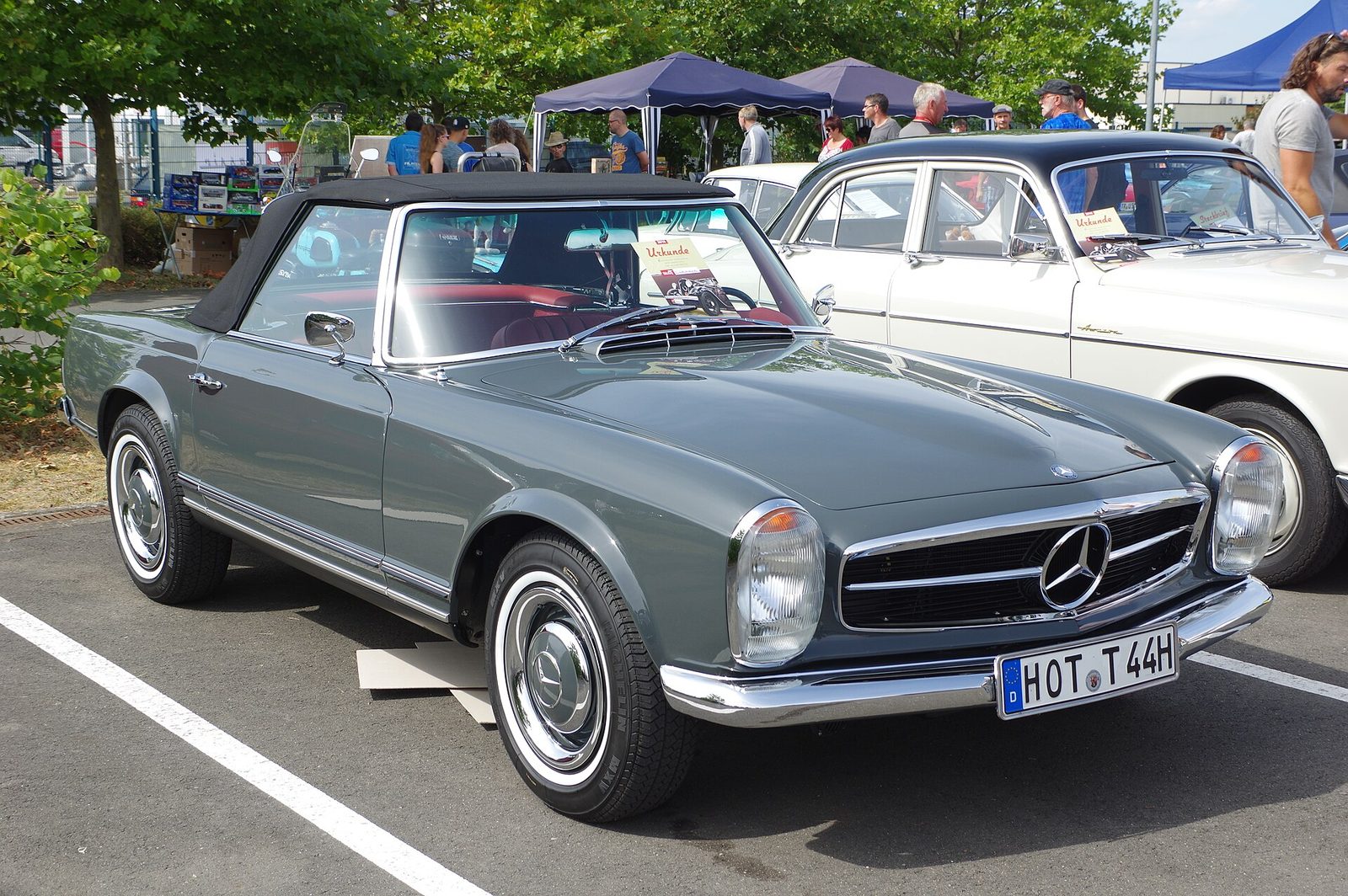
SL (W113 'Pagoda')

1963–1971 · 48,912 built

The Mercedes-Benz W113 SL (1963-1971) replaced both the 300 SL and 190 SL with a single, elegant grand-touring roadster. Styled under Paul Bracq's hand at

High confidence6 cited sources 2 disputed
Read history
Mercedes-Benz

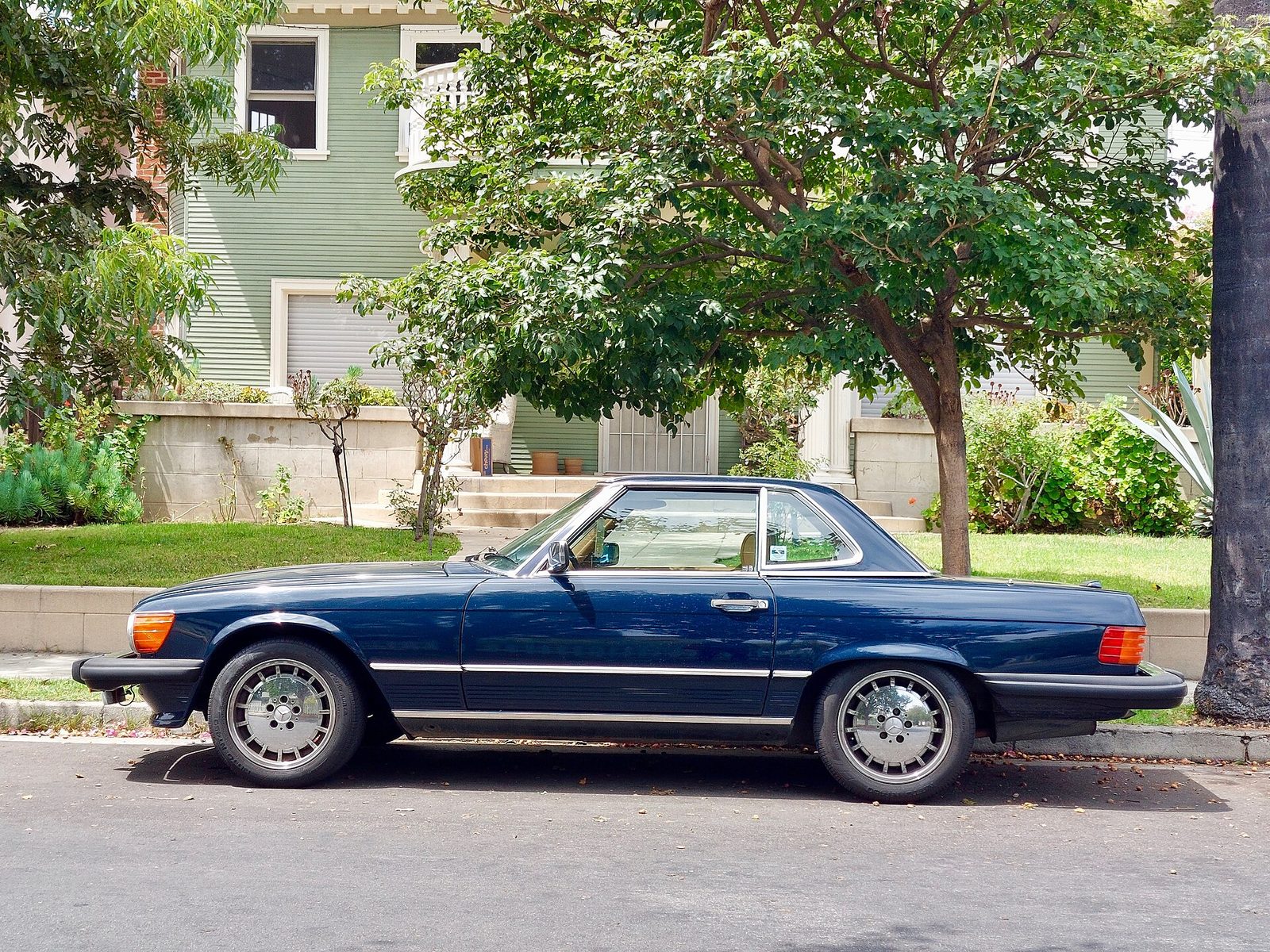
SL (R107)

1971–1989 · 237,287 built

The Mercedes-Benz SL of the 107 series replaced the W113 Pagoda in spring 1971 and stayed in production until August 1989 - eighteen years, an internal rec

High confidence21 cited sources 3 disputed
Read history
Mini

Classic Mini (Classic Mini (Mk I-Mk VII))

1959–2000

The Mini (1959-2000) began as BMC's answer to the petrol rationing that followed the 1956 Suez Crisis and to the German bubble cars that chairman Leonard L

High confidence23 cited sources 2 disputed
Read history
Nissan

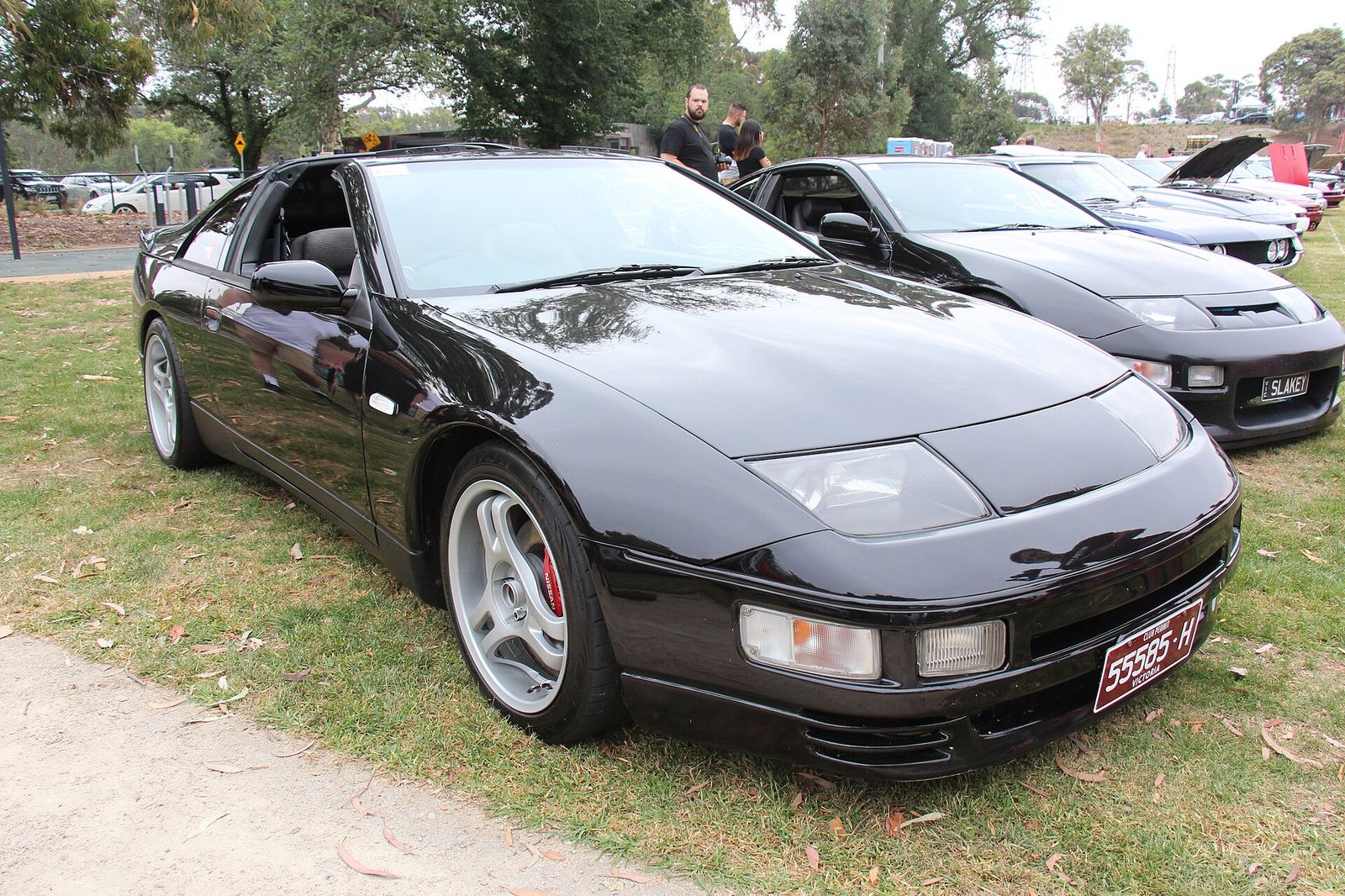
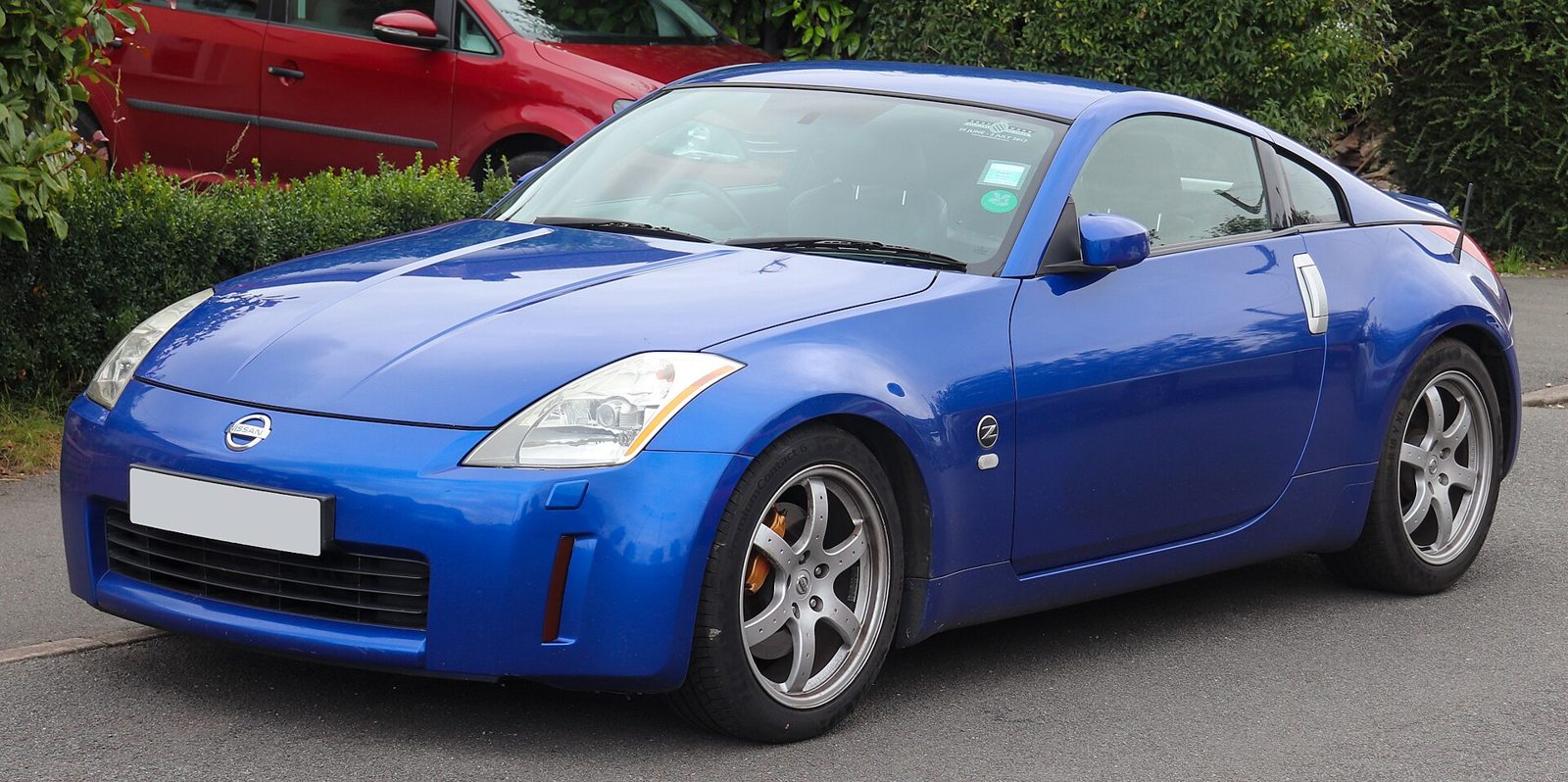
300ZX (Z32 (fourth-generation Z))

1989–2000

The Z32 Nissan 300ZX replaced the Z31 in 1989 and stayed in production for eleven years, sold at home as the Fairlady Z and everywhere else as the 300ZX. N

High confidence23 cited sources 3 disputed
Read history
Nissan

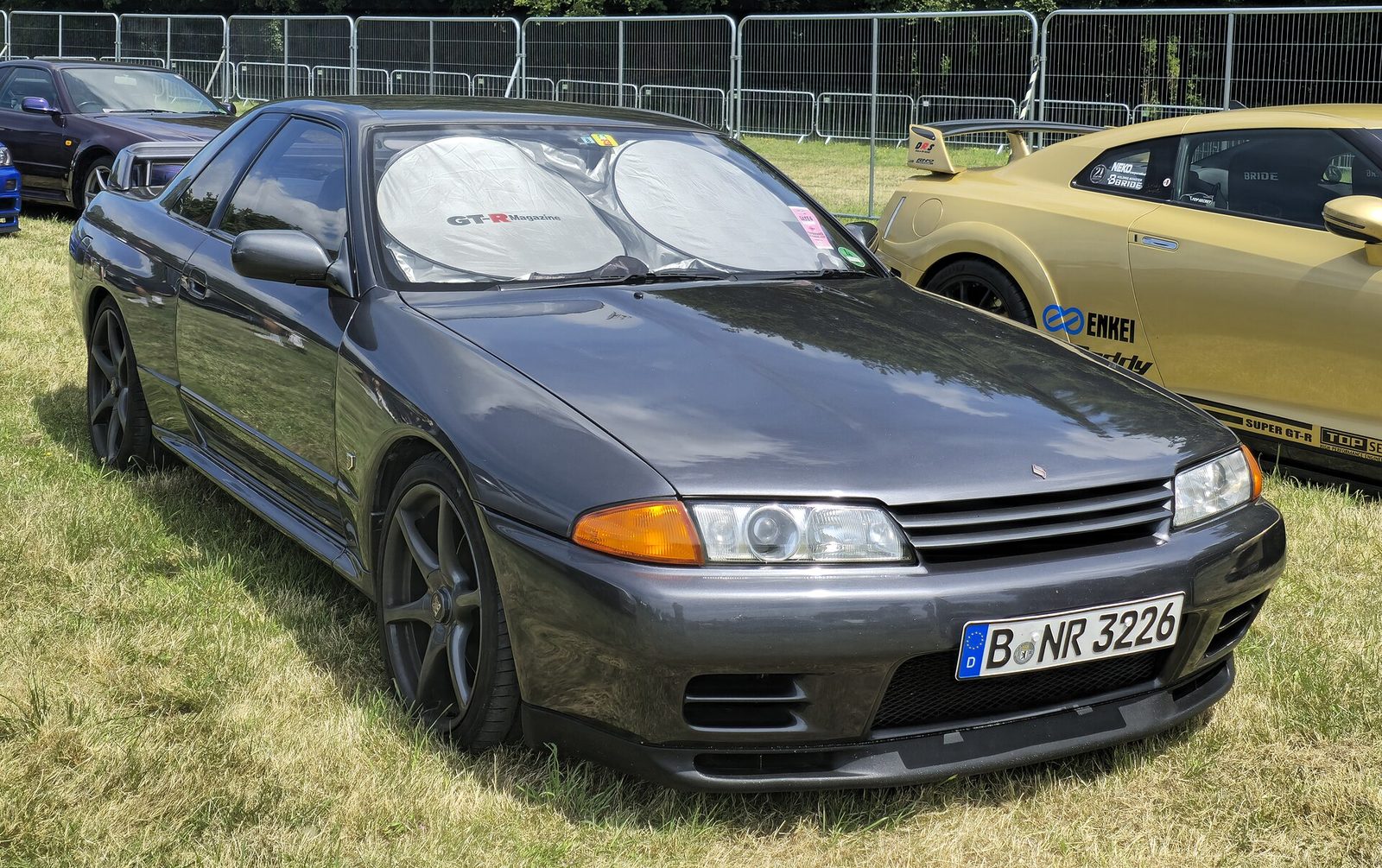
Skyline GT-R (R32)

1989–1994

The R32 Skyline GT-R (BNR32) revived a badge dormant since 1973 and was built for one purpose: to win FIA Group A touring car racing. Nissan sized the RB26

High confidence13 cited sources 4 disputed
Read history
Nissan

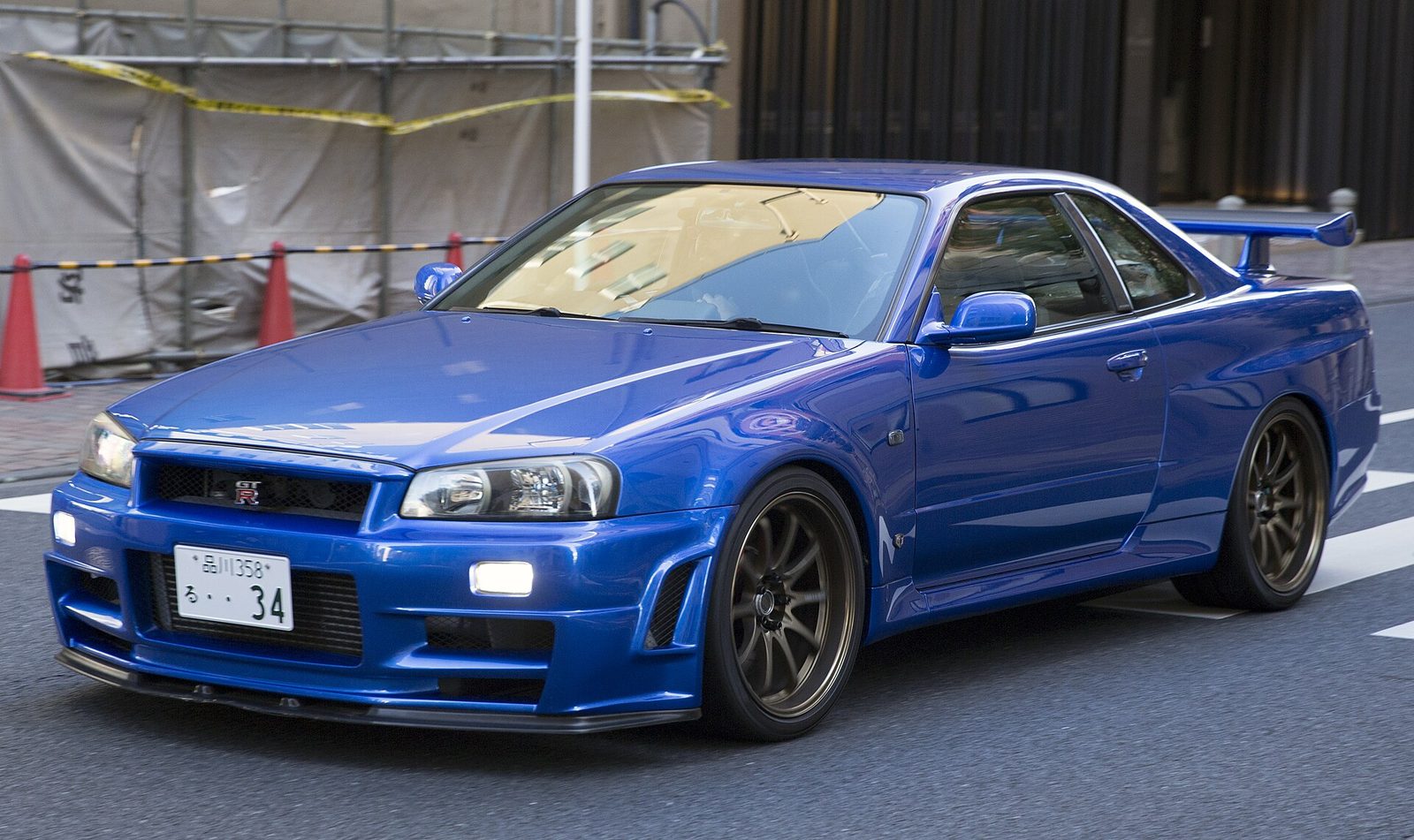
Skyline GT-R (R34 (BNR34))

1999–2002 · 11,578 built

The Nissan Skyline GT-R R34 (chassis code BNR34), built from January 1999 to August 2002, is the final and most revered of the Skyline-based GT-Rs before t

High confidence4 cited sources 2 disputed
Read history
Plymouth

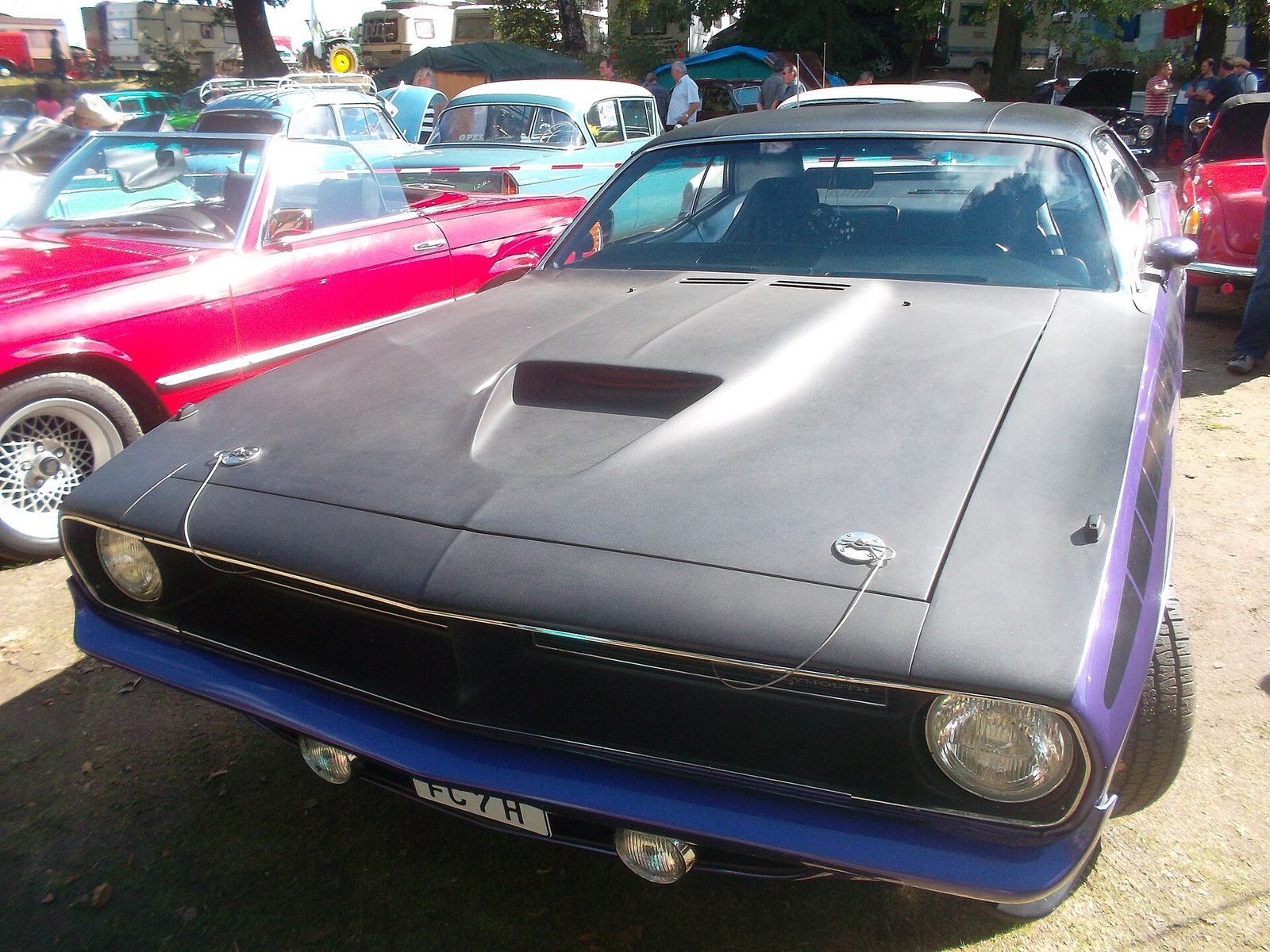
Barracuda (Third generation (E-body))

1970–1974

The third-generation Plymouth Barracuda (1970-1974) dropped the Valiant underpinnings of its predecessors for the E-body, a shortened and widened derivativ

Medium confidence22 cited sources 3 disputed
Read history
Plymouth

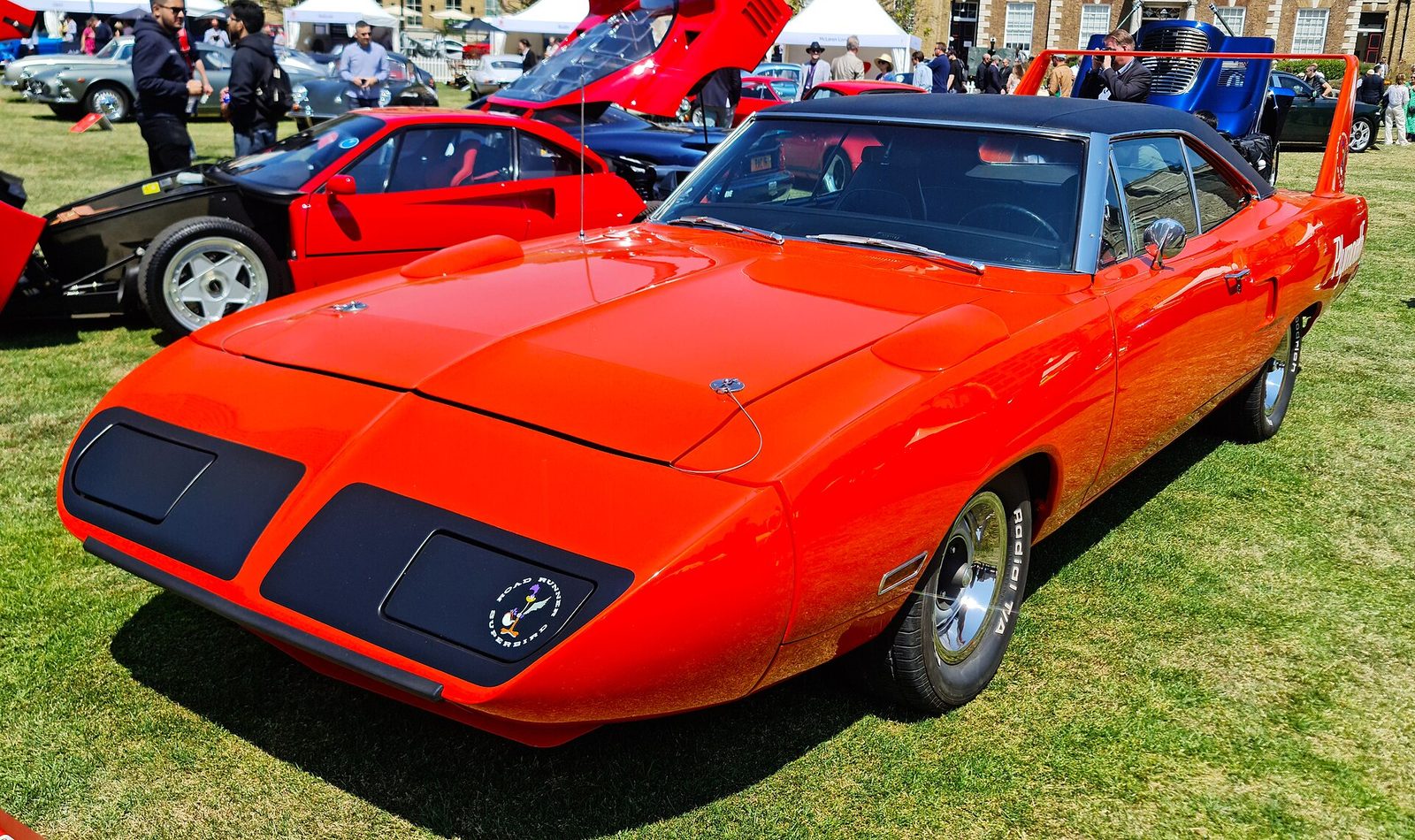
Road Runner Superbird (Superbird)

1970–1970

The Plymouth Road Runner Superbird was built for a single model year, 1970, and existed for one reason: NASCAR would not let Plymouth race the shape unless

High confidence20 cited sources 4 disputed
Read history
Porsche

356 (356 (all series))

1948–1965

The Porsche 356 was the first car to carry the Porsche name, and it carried the company for seventeen years. It began in 1948 at Gmund in Carinthia, where

Medium confidence22 cited sources 5 disputed
Read history
Porsche

911 (964)

1989–1994 · 63,762 built

The Porsche 964 is the 911 that dragged Stuttgart's icon into the modern era without losing its soul. Sold from 1989 to 1994, it was pitched by Porsche as

High confidence6 cited sources 3 disputed
Read history
Porsche

911 (993)

1994–1998 · 68,881 built

The Porsche 993 is, for many enthusiasts, the definitive 911: the last of the air-cooled cars, sold from 1994 to 1998. Penned by English designer Tony Hatt

High confidence7 cited sources 4 disputed
Read history
Porsche

911 Carrera 3.2 (G-Series)

1984–1989

The 911 Carrera 3.2 (1984-1989) is the final and most developed version of Porsche's G-Series 911, and the last air-cooled 911 built on the original 1963 p

High confidence15 cited sources 2 disputed
Read history
Porsche

911 SC (G-series (impact bumper))

1978–1983

The Porsche 911 SC (1978-1983) is the car that kept the 911 alive. For the 1978 model year Porsche swept away the 2.7-litre 911 and the Carrera 3.0 and off

High confidence19 cited sources 6 disputed
Read history
Porsche

911 Turbo (930)

1975–1989 · 21,589 built

The Porsche 911 Turbo (Type 930) was the fastest production Porsche of its era and the car that made the turbocharged road-going 911 a fixture. Launched fo

High confidence8 cited sources 2 disputed
Read history
Porsche

928 (928 (front-engine transaxle V8))

1978–1995

The Porsche 928 was conceived as the car that would replace the 911. Ernst Fuhrmann's management believed the rear-engined car had run out of development a

High confidence20 cited sources 5 disputed
Read history
Porsche

944 Turbo (944)

1986–1991

The Porsche 944 Turbo, built to internal type number 951, is the turbocharged development of Porsche's front-engined transaxle four-cylinder car, sold from

High confidence18 cited sources 2 disputed
Read history
Shelby

Cobra (CSX2000 leaf-spring and CSX3000 coil-spring cars)

1962–1967

The Shelby Cobra began as an English sports car with an American engine dropped into it. AC Cars of Thames Ditton had lost the Bristol engine that powered

Medium confidence19 cited sources 5 disputed
Read history
Shelby

GT350 (Shelby Mustang GT350)

1965–1970

The Shelby GT350 began as a homologation exercise rather than a marketing one. Lee Iacocca wanted a Mustang with a competition record, and from August 1964

High confidence24 cited sources 6 disputed
Read history
Toyota

Land Cruiser (FJ40 (40 Series))

1960–1984

The Toyota Land Cruiser FJ40 is the archetypal Japanese off-roader: a rugged, body-on-frame 4x4 built around a stout inline-six and a reputation for going

Medium confidence7 cited sources 1 disputed
Read history
Toyota

Land Cruiser (60 Series)

1980–1990

The 60 Series Land Cruiser, launched in August 1980 as successor to the 55 Series, is the point at which the Land Cruiser stopped being purely a working ve

Medium confidence16 cited sources 3 disputed
Read history
Toyota

Land Cruiser 80 Series (80 Series)

1990–1997

The 80 Series Land Cruiser, announced on 16 October 1989 and built from January 1990 until Japanese production ended in 1997, is the generation in which To

Medium confidence26 cited sources 3 disputed
Read history
Toyota

Supra (A80 (Mk4))

1993–2002

The fourth-generation Toyota Supra — chassis code A80, known to enthusiasts as the Mk4 — is the car that turned a competent Japanese grand tourer into a gl

High confidence7 cited sources 4 disputed
Read history
Triumph

TR6 (TR6)

1968–1976

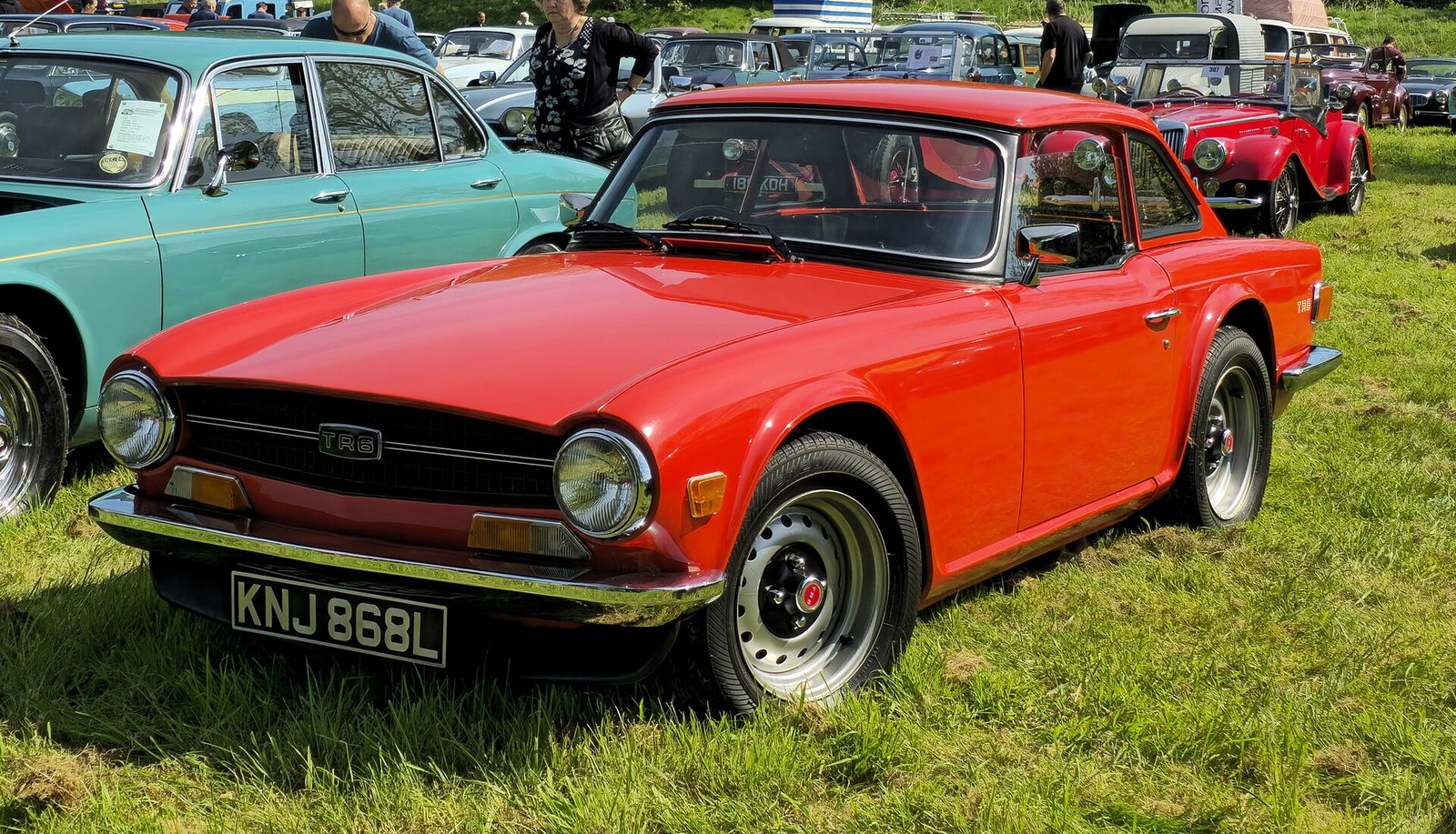
The Triumph TR6 (1968-1976) was the last of the separate-chassis TRs and by a wide margin the best-selling of them: a Karmann reskin of Michelotti's TR4 an

High confidence21 cited sources 3 disputed
Read history
Volkswagen

Golf GTI (Mk1)

1976–1983

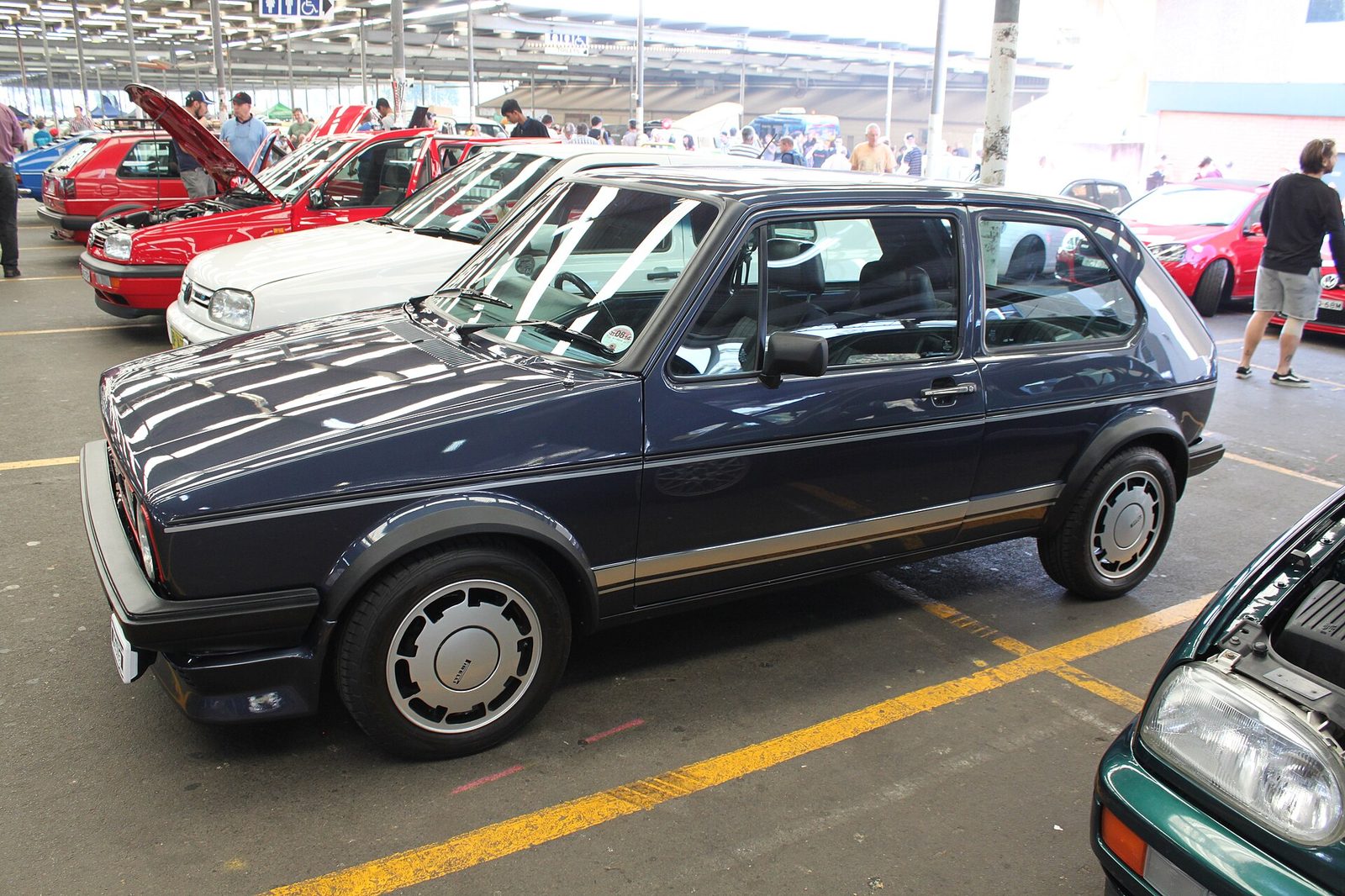
The Mk1 Golf GTI was not a product-plan car. It began around 1974 as an unofficial after-hours project by a small group at Wolfsburg - a test engineer, a p

High confidence19 cited sources 5 disputed
Read history
Volkswagen

Type 2 (T1 Split-Screen / T2 Bay Window)

1950–1979

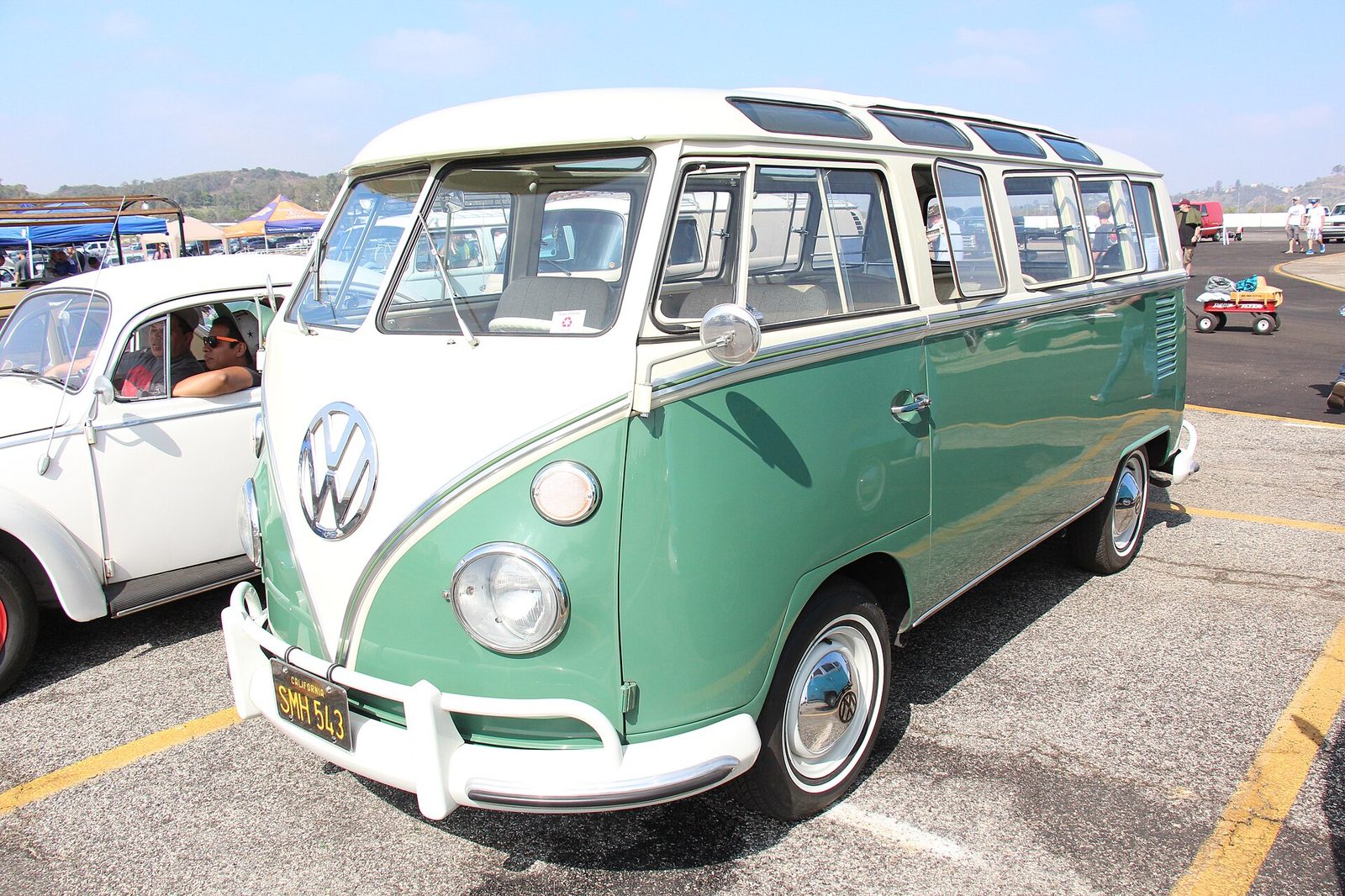
The Volkswagen Type 2 is the forward-control van Volkswagen built on Beetle mechanicals, traced to a sketch Dutch importer Ben Pon made on 23 April 1947 af

High confidence17 cited sources 1 disputed
Read history