A loom maker's son wants to build cars
Toyota did not start as a car company. It started as a weaving machinery company, Toyoda Automatic Loom Works, built on the patents of Sakichi Toyoda, a carpenter by training who produced Japan's first self-powered looms. His son Kiichiro wanted to build automobiles, and after two trips abroad he came back convinced Japan needed an auto industry of its own. The money question was settled in part by a 1929 agreement in which Platt Brothers of Oldham, England, agreed to pay 100,000 pounds for the rights to use the Toyoda loom technology. In 1933 Kiichiro set up an automobile division inside the loom works and hired a small team of engineers. The first passenger car, the Model AA, was finished in April 1936. The company was incorporated as Toyota Motor Company on August 28, 1937, and the founder's surname had changed one consonant on the way: Toyoda became Toyota, which the company says gave a cleaner pronunciation and an eight-stroke signature.
The Crown that did not sell in America
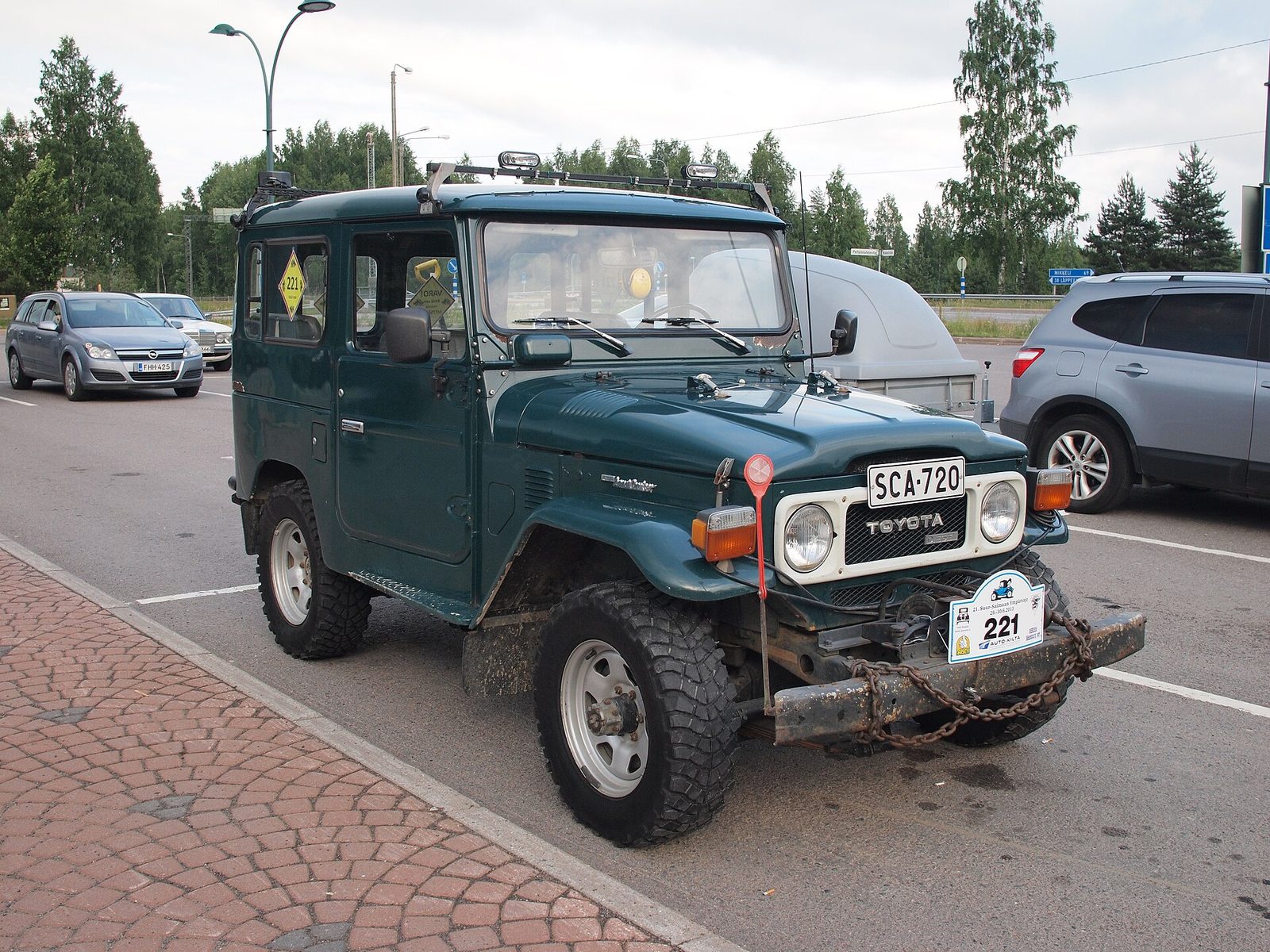
The Toyopet Crown of 1955 was the first entirely Japanese-made passenger car, and Toyota sent it to California as the opening move of its US business. Toyota Motor Sales, U.S.A. was formed on October 31, 1957 in a former Rambler dealership in Hollywood, and the first Crowns docked in California that August. They did badly. Reports describe a car that was underpowered and overpriced, with a small four-cylinder engine that struggled at American highway speeds. Fewer than 300 were sold in the first year, and the volume never improved enough to matter. What kept Toyota in the country was a very different vehicle. The Land Cruiser, a utility vehicle that began in 1951 as a Jeep-type prototype for the Japanese police reserve and got its name in 1954, found a following here, and Toyota Motor Sales made a profit in 1961 on the strength of it. That is the reason the FJ40 matters beyond its looks: it paid for the American beachhead.
Corona, and the cars that made the name
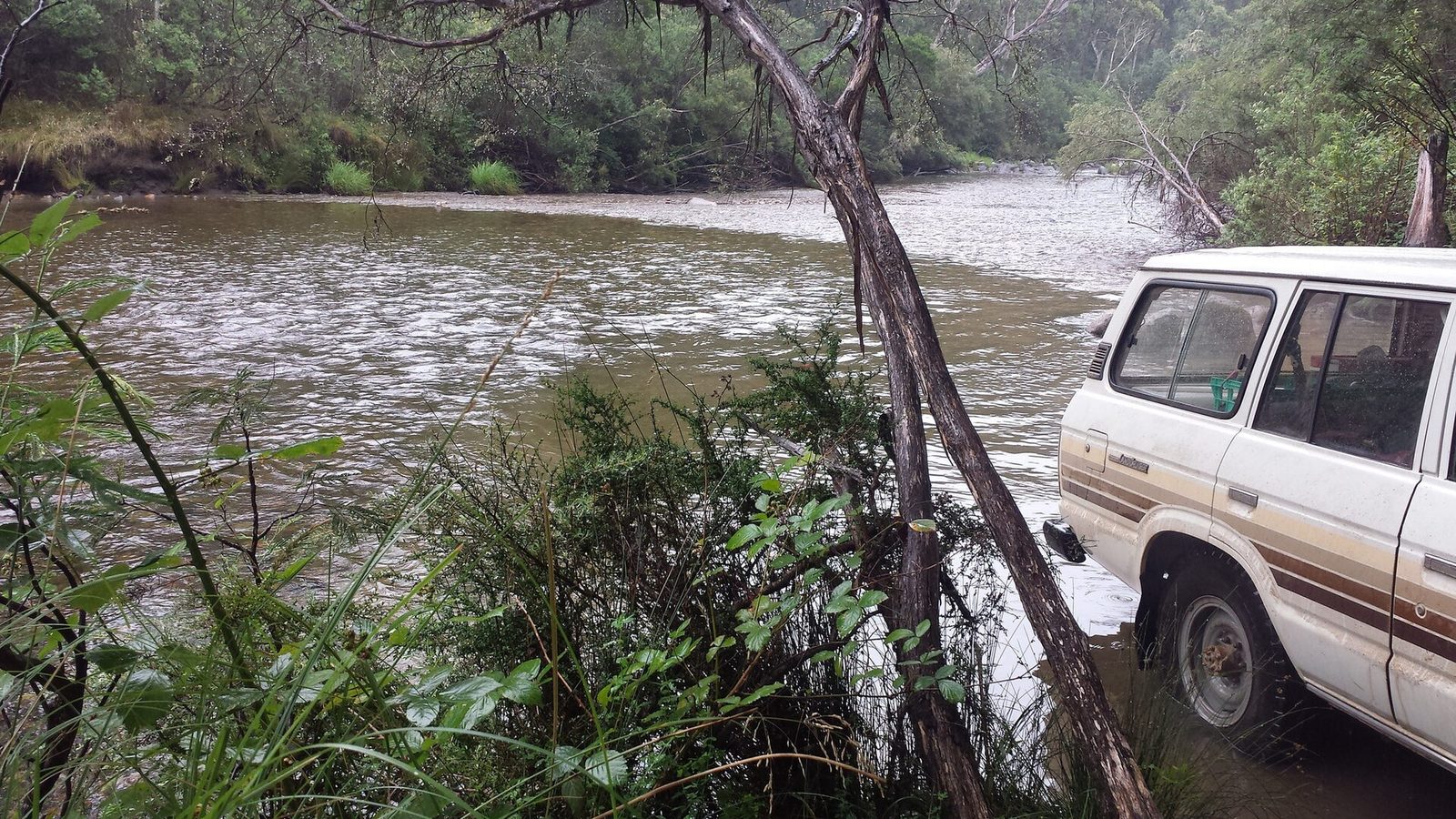
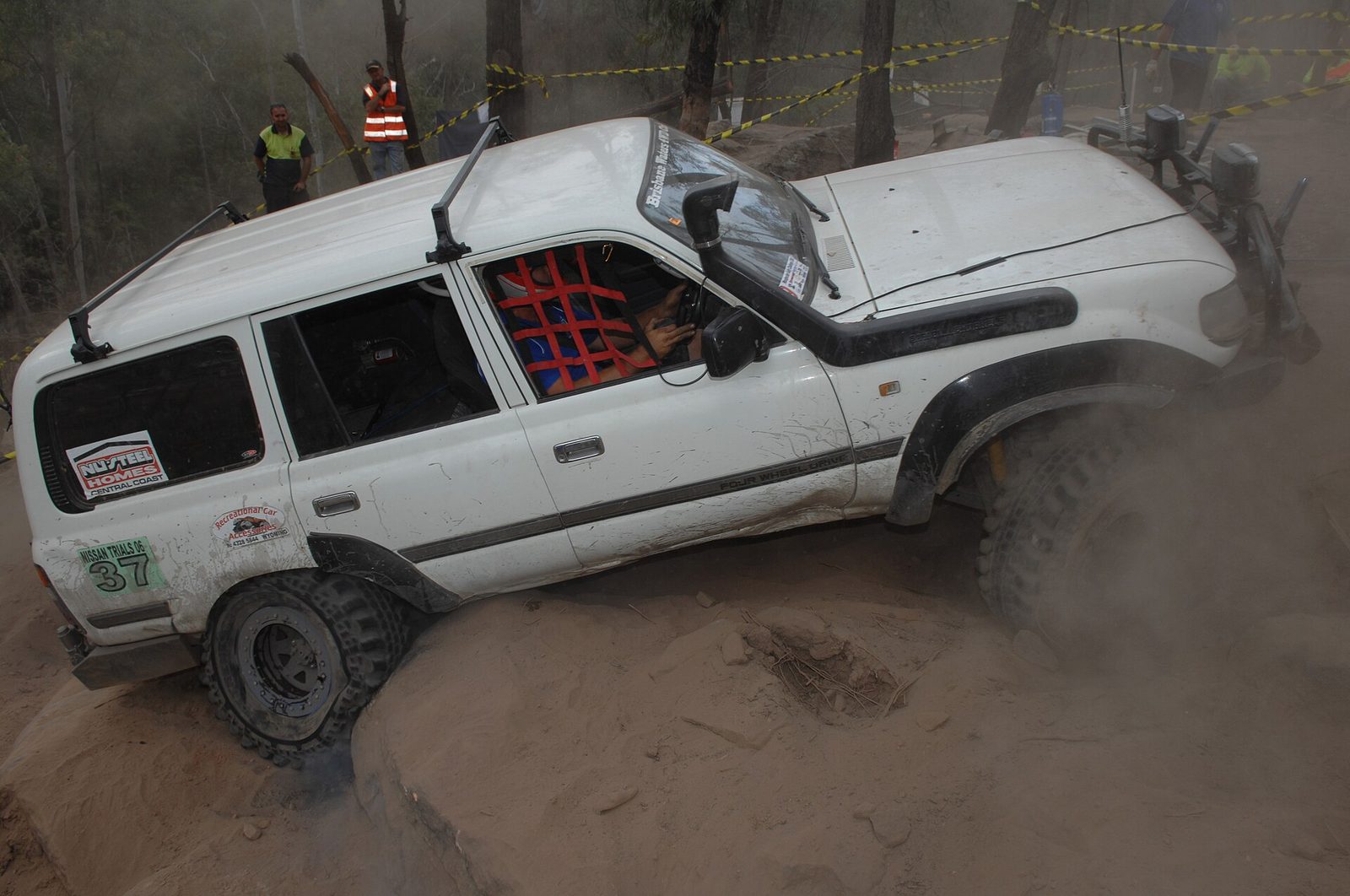
The first real US success was the Corona compact, which arrived in 1965 and ended the Toyopet badge in America. Through the late 1960s Toyota also did something it never repeated: it built a halo car by contract. The 2000GT, designed and assembled largely by Yamaha between 1967 and 1970, was a low-volume sports coupe that never sold in numbers, and the car Carroll Shelby entered in SCCA production races in 1968, and it still anchors every Toyota collection. The Land Cruiser carried on underneath all of this. The FJ40 ran from 1960 to 1984, with the last ones imported into the US as 1983 models. The 60 series replaced it in 1980 and ran through 1990 for most markets, and the 80 series was unveiled at the Tokyo show in October 1989 and launched in early 1990.
The 1980s and the enthusiast cars
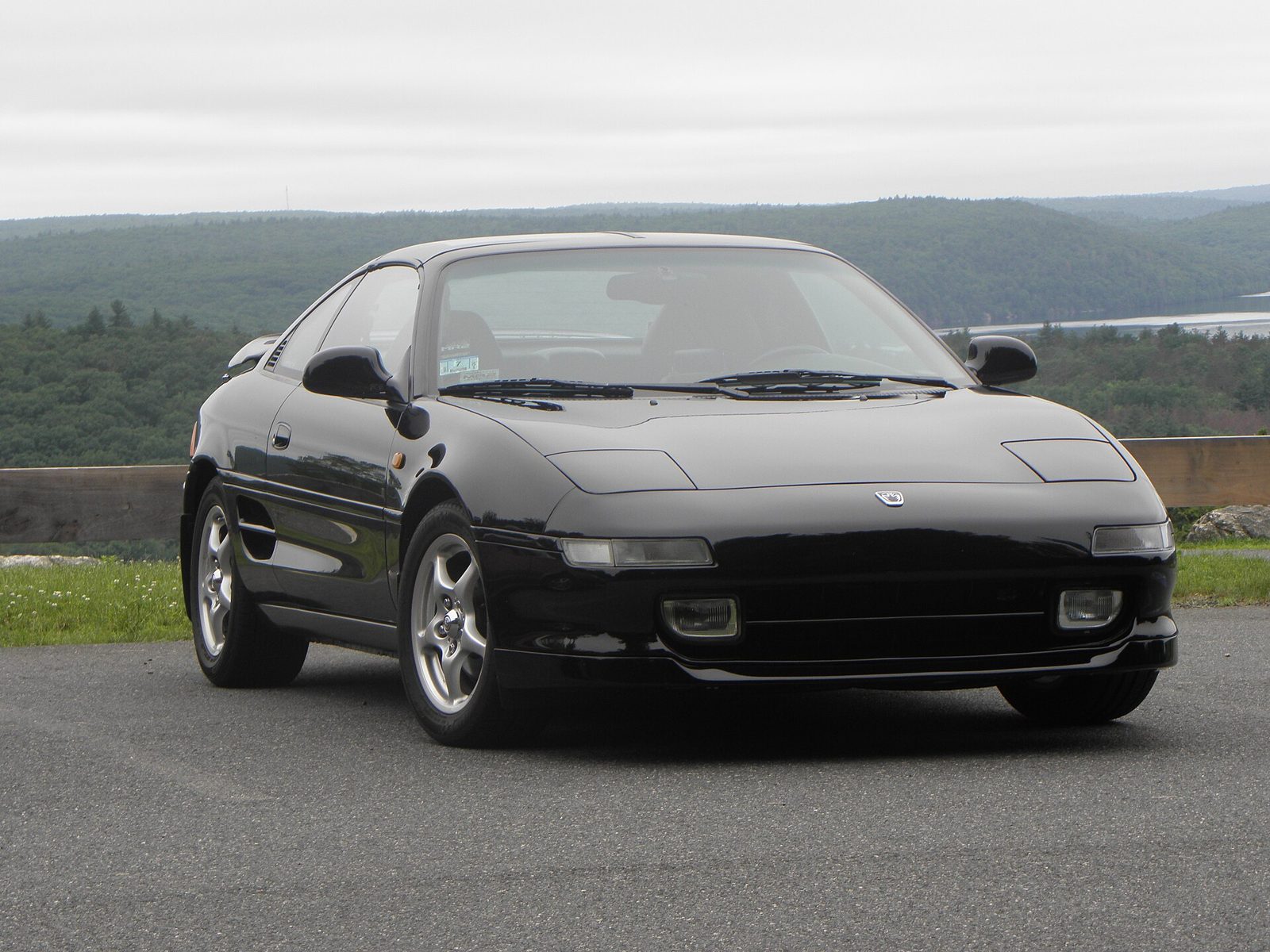
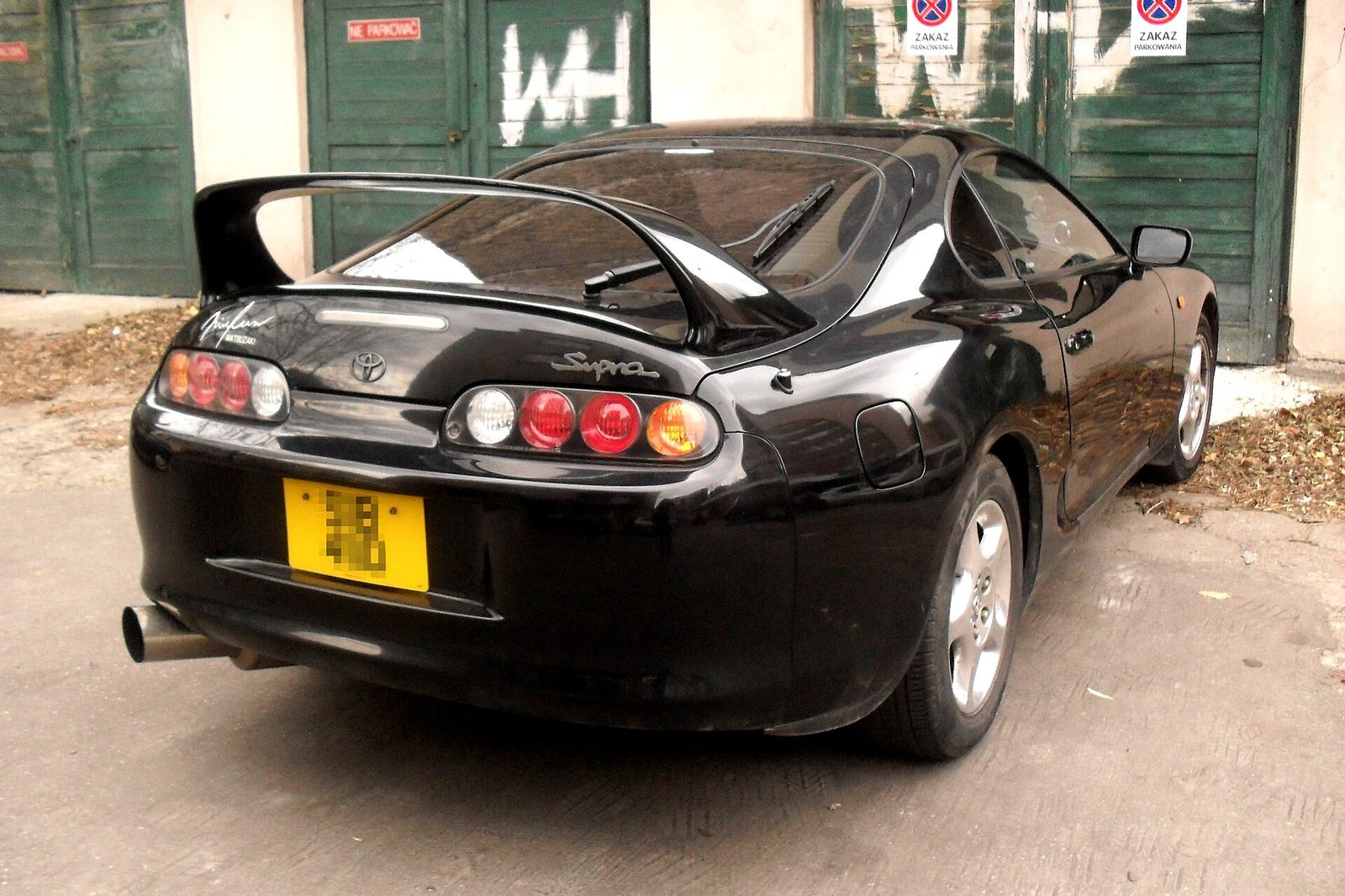
The 1980s changed how Toyota built cars for Americans. Japan accepted voluntary export restraints in 1981, and in 1984 Toyota entered a joint venture with General Motors, NUMMI, to build cars on US soil. The same decade produced the cars collectors now care about. The Celica Supra existed because North American dealers asked for a rival to the Datsun 280Z. The first MR2 arrived in 1984, and the redesigned SW20 reached North America in early 1990 as a 1991 model, drawing the nickname baby Ferrari from some writers. US sales of the MR2 ended in 1995. The fourth-generation Supra, the A80, shared its platform with the Soarer coupe that Americans knew as the Lexus SC, and its twin-turbo 2JZ-GTE became the reason people still search for the car. The US stopped receiving the Supra after the 1998 model year, and production in Japan ran until August 2002, when emission rules ended it.
Where it stands
Toyota is now one of the largest car makers in the world, and the collector interest has moved forward from the 2000GT to include the Land Cruisers and the 1990s sports cars. A fifth-generation Supra returned in January 2019 as the GR Supra, after seventeen years off the market.