An aircraft engine company that built bikes first
BMW's own heritage account dates the company to the foundation of Bayerische Flugzeug-Werke on 7 March 1916, and that is the date BMW celebrates. The paperwork is messier than the anniversary suggests. A separate firm, Rapp Motorenwerke, founded by Karl Rapp in 1913, renamed itself Bayerische Motoren Werke in 1917, and in 1922 that name and its assets moved to the aircraft maker, which is how the BMW AG of today came about. The blue and white roundel dates from 1917, so the logo is older than the car business.
Motorcycles came first. The R 32 was shown in Berlin in 1923. Cars came late and by purchase: in 1928 BMW took over Fahrzeugfabrik Eisenach, which was building the Austin 7 under license, and it was 1932 before BMW was developing its own models. That is an unglamorous start for a sports sedan maker: aero engines, then motorcycles, then a licensed English small car.
Nearly sold, then saved by a small sedan
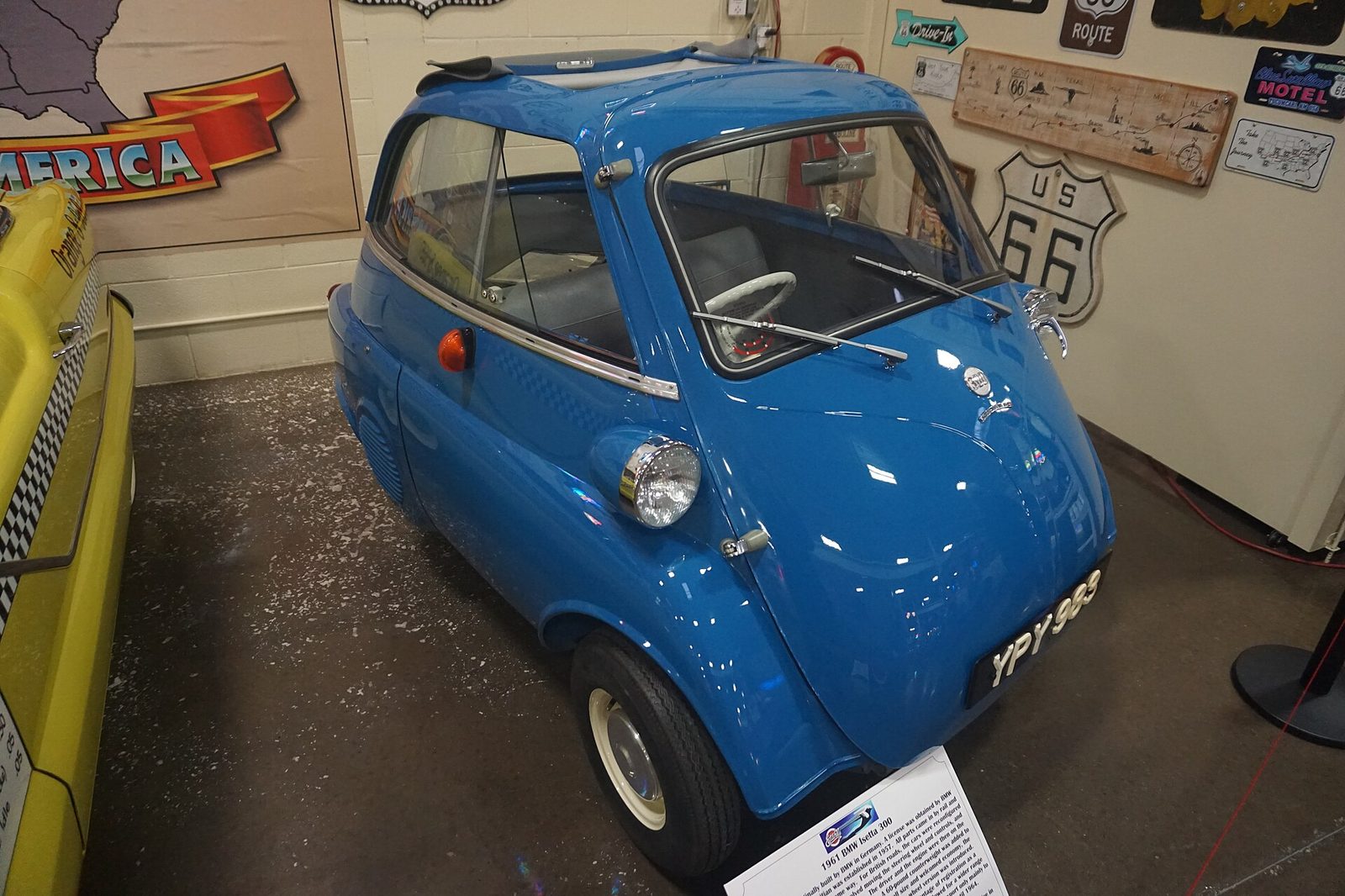
By 1959 the company was in trouble. At the annual general meeting on 9 December, small shareholders and the workforce rejected an offer for the company, and an investment by Herbert and Harald Quandt kept BMW a separate entity. The cars that bridged those years were small. The Isetta is the odd one: an Italian design from Iso, a firm that had been making refrigerators, scooters and three-wheeled trucks, with BMW buying the license and the complete body tooling after talks in mid-1954. The first BMW Isetta appeared in April 1955 and production ended in May 1962.
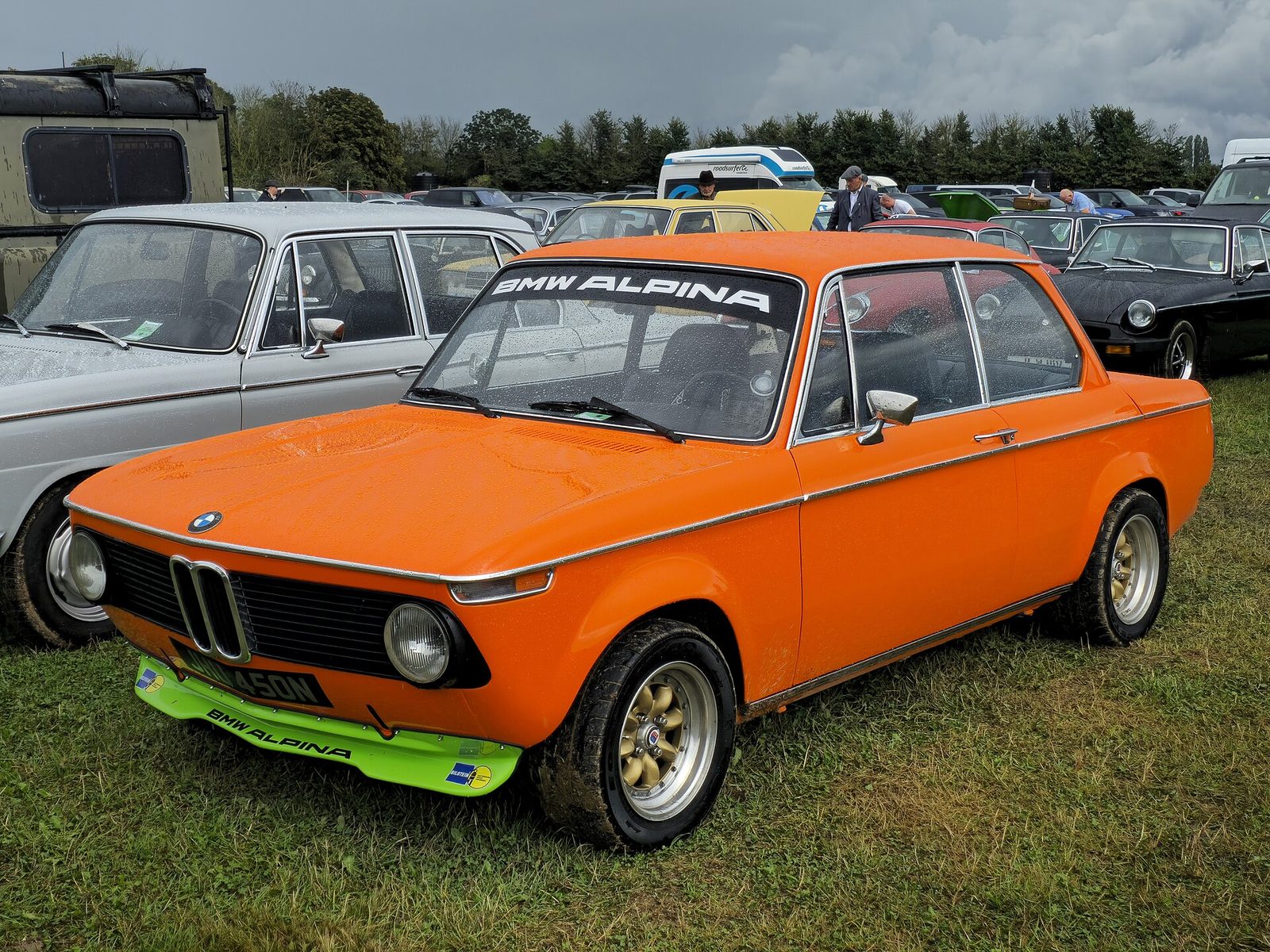
The turn came with the Neue Klasse. BMW showed the 1500 at Frankfurt in 1961 to fill a gap in the market, and the compact sedans that followed started the reputation the company has lived on since. The 1600-2 arrived in 1966 and the 2002 in 1968, and the 2002 is the car most Americans mean when they say a BMW used to be small and quick.
The M cars
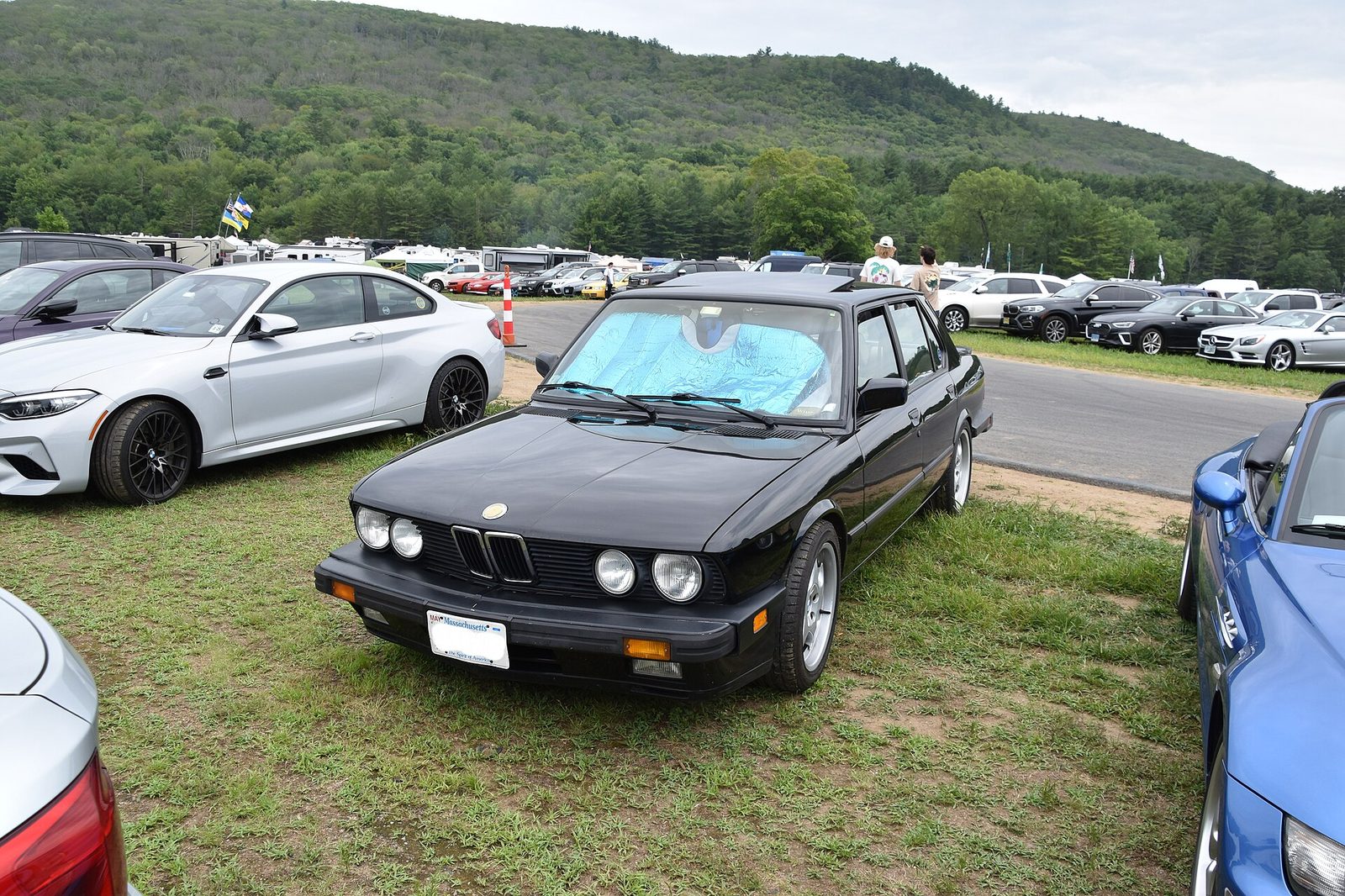
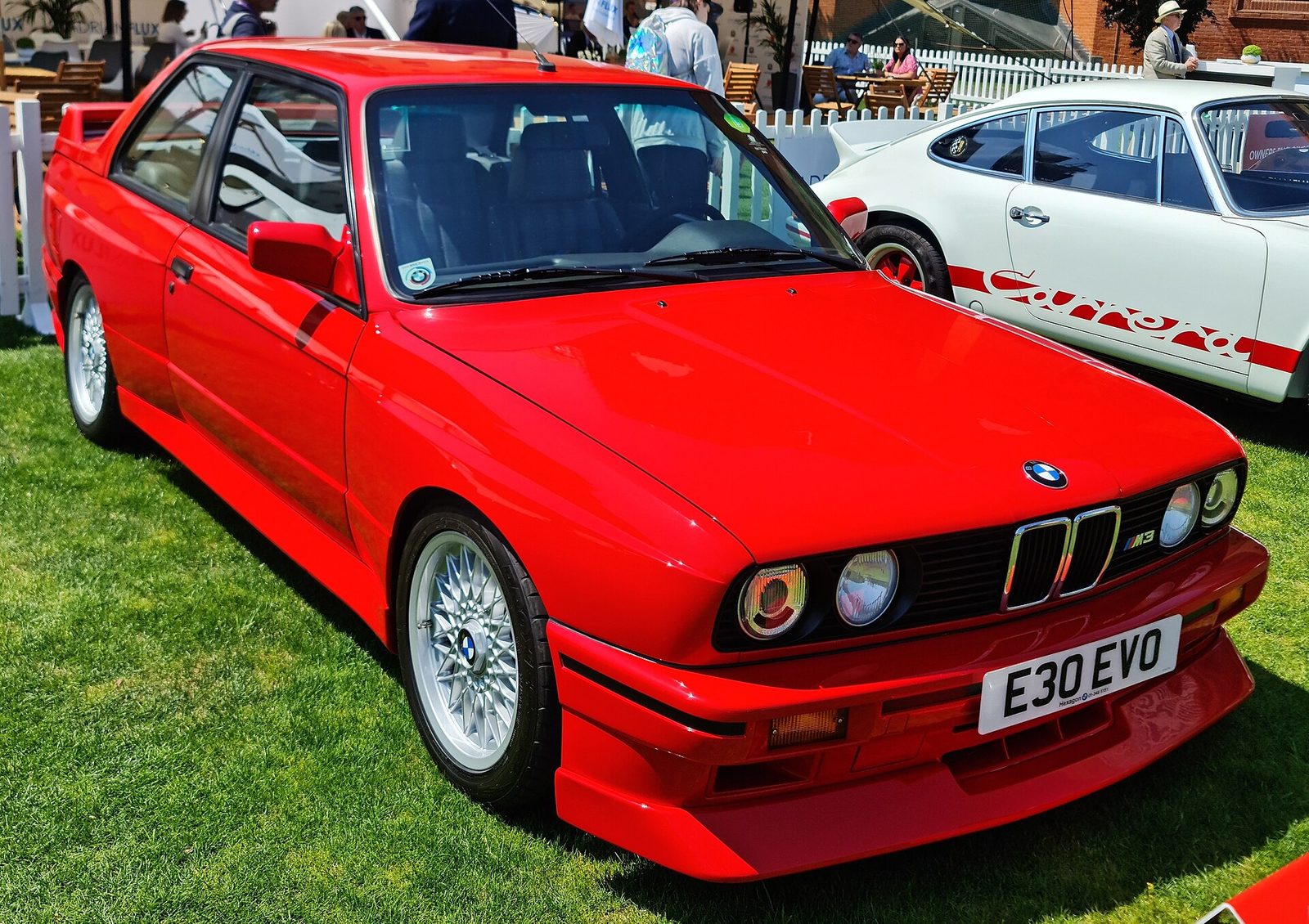
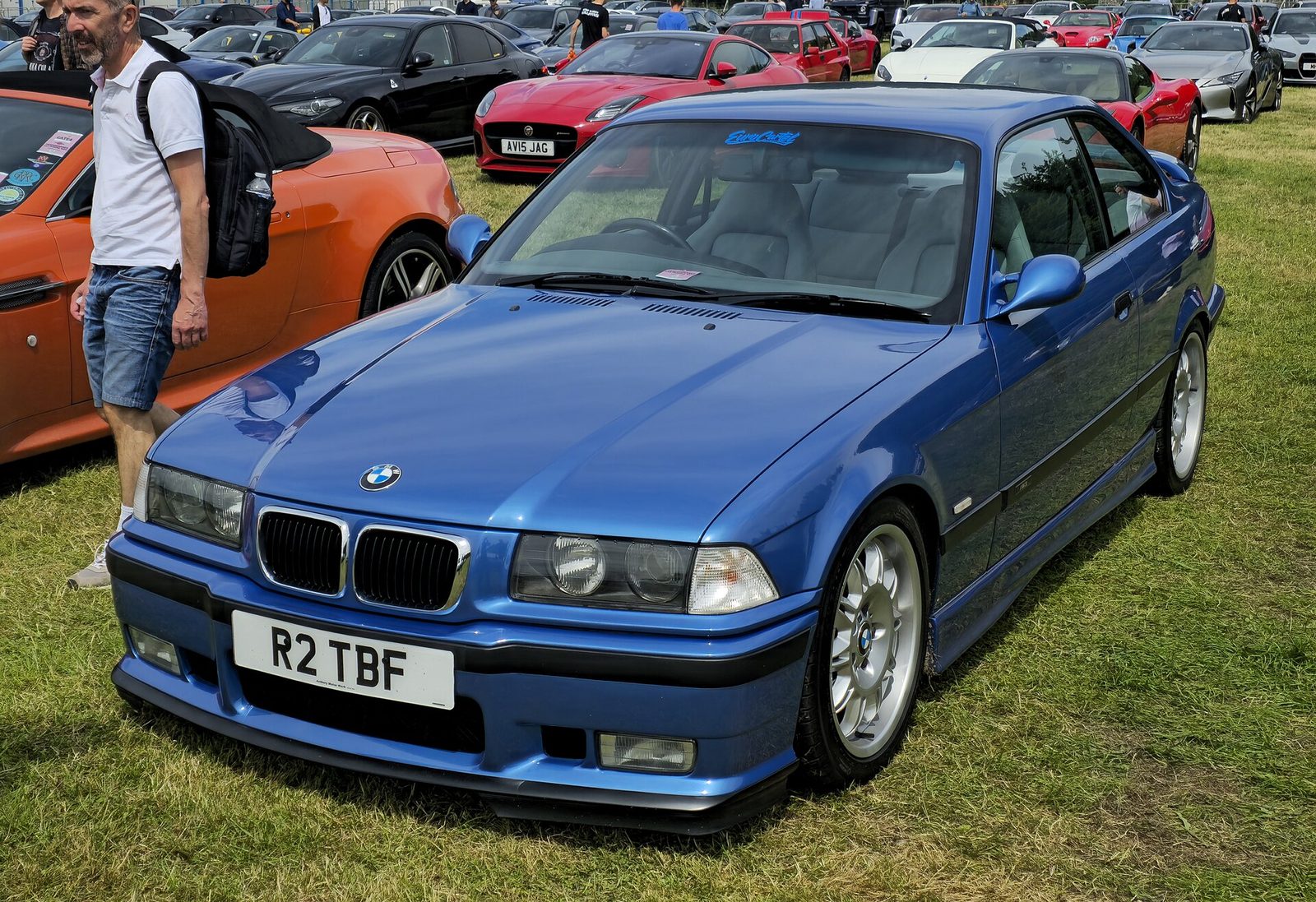
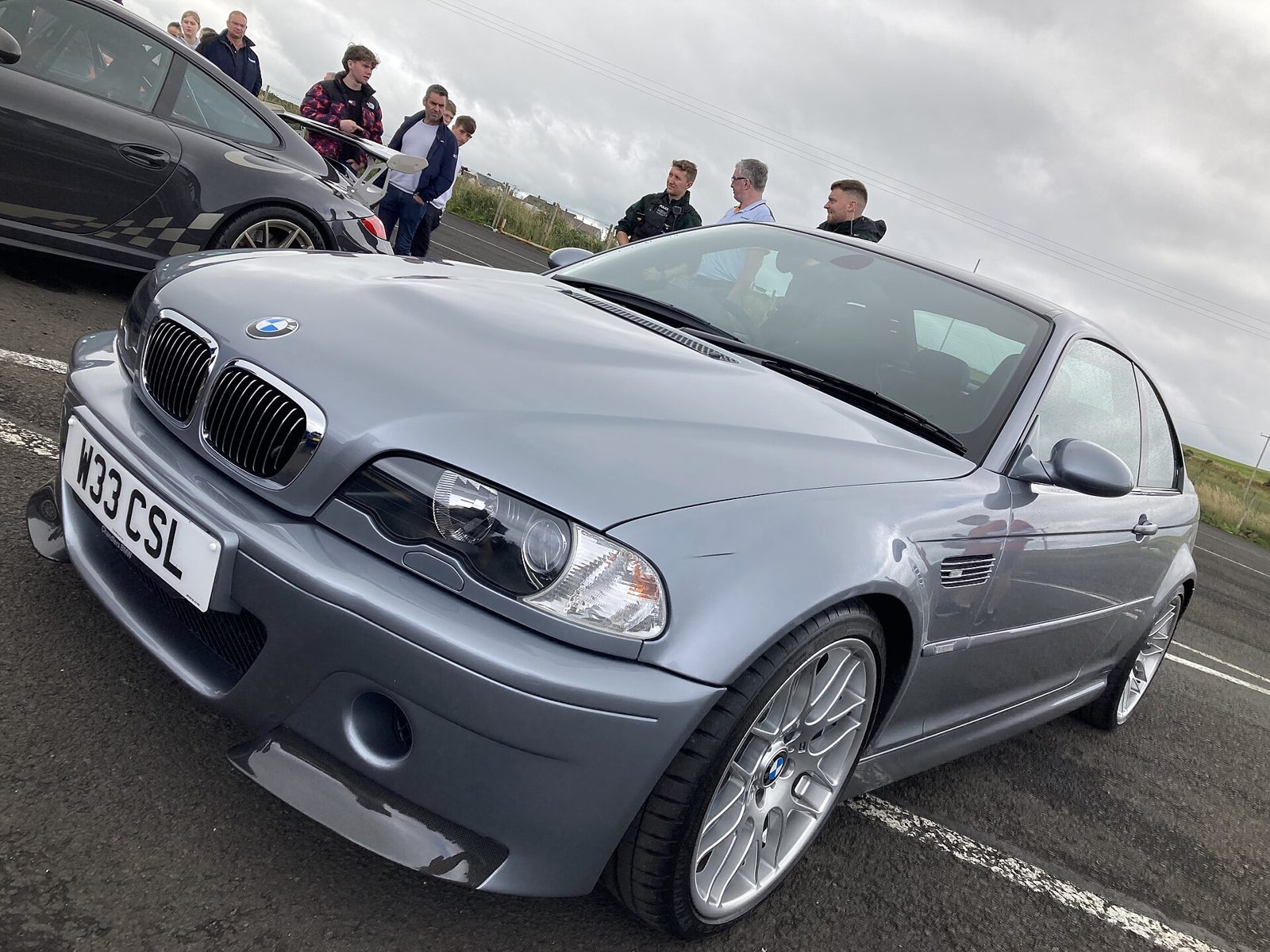
BMW consolidated its racing activities into BMW Motorsport GmbH in 1972, and the M division's first road car was the mid-engine M1 in 1978. The collectible M cars that most buyers know came afterward and were built for rules or for a gap in the lineup. The first M3, on the E30 3 Series chassis, was a homologation special for the German touring car championship and Group A. The first M5 was hand-built from late 1984 on the E28 535i chassis with an engine derived from the M1. The E36 M3, the E46 M3 and the E39 M5 followed and each has its own page on this site. The shape repeats across the generations: a small production run of a sedan or coupe, a racing-derived engine, and a factory that was surprised by the demand.
Rover, Rolls-Royce and what stayed
The 1990s were a different kind of risk, and a more corporate one. The BMW board decided in early 1994 to acquire the Rover Group in the UK, and in 1998 BMW acquired the rights to the Rolls-Royce brand from Vickers. In 2000 BMW sold off most of the Rover brands and kept only Mini. The company that came out of that decade is the BMW AG formed in 1922, with Mini and Rolls-Royce attached, and with the M division intact, which is the part of the story that matters to someone shopping for an older M car.
Where it stands
Today the Isetta, the 02 series and the M cars are the three doors collectors walk through. The Isetta is a curiosity that tells the postwar story, the 2002 and its successors are the cars that made the brand's sporting reputation, and the M3 and M5 generations are the ones most often cross-shopped by Americans who want something fast that also seats four. For what each generation actually was, what was sold here and what goes wrong, the model pages carry the detail.