Not his first try
Henry Ford was born in 1863 on a farm in Greenfield Township, Michigan. In 1891 he became an engineer with the Edison Illuminating Company of Detroit, and in 1896 he finished a self-propelled machine he called the Quadricycle. The Henry Ford Company, established in November 1901, was his first attempt at a car manufacturing company. The Ford Motor Company followed in 1903, launched in a converted factory with 28,000 dollars in cash from twelve investors, John and Horace Dodge among them.
The Model T and the line
The Model T was built from October 1, 1908, to May 26, 1927, and more than 15 million were sold, which made it the best-selling car in history until the Volkswagen Beetle passed it in 1972. Henry Ford watched the 15 millionth roll off the line at Highland Park. What made that volume possible was the moving assembly line, which started on October 7, 1913, and cut the time to build a car from 12.5 hours to 93 minutes by 1914. That January Ford also offered a wage of five dollars a day, more than double what most of his workers had been paid. The color rule is the one everybody remembers: any customer could have a car painted any color he wanted, so long as it was black.
A V8 for the rest of us
Ford introduced the flathead V8 in 1932 and built it through 1953. The 221 cubic inch engine made 65 hp in its first year, and its important trick was casting the crankcase and all eight cylinders in a single block, which made a V8 affordable. The first car to carry it, the Model 18, was often called simply the Ford V-8. In the 1950s it became a staple of hot rodders, and it still turns up in the hobby today. Around it the company reshaped itself. Henry Ford bought Lincoln in 1922, his son Edsel died in 1943, and Henry turned the company over to his grandson Henry Ford II in 1945. Henry Ford died in 1947. The company went public in 1956, and the family kept about 40 percent of the voting rights through special Class B shares. Two years later came the Edsel, which sold so poorly that it was dropped in 1960.
Sports cars, pickups and a pony car
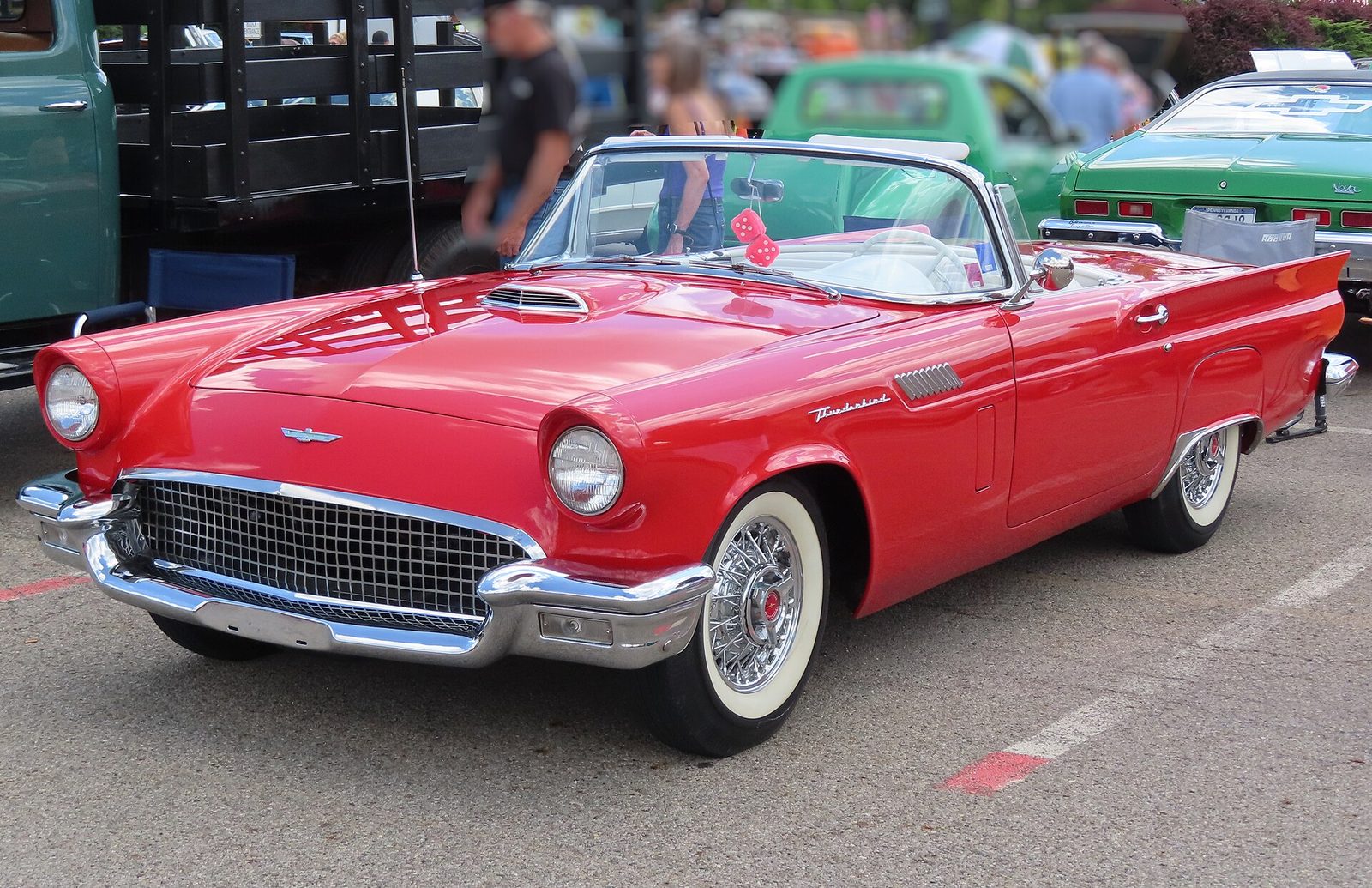
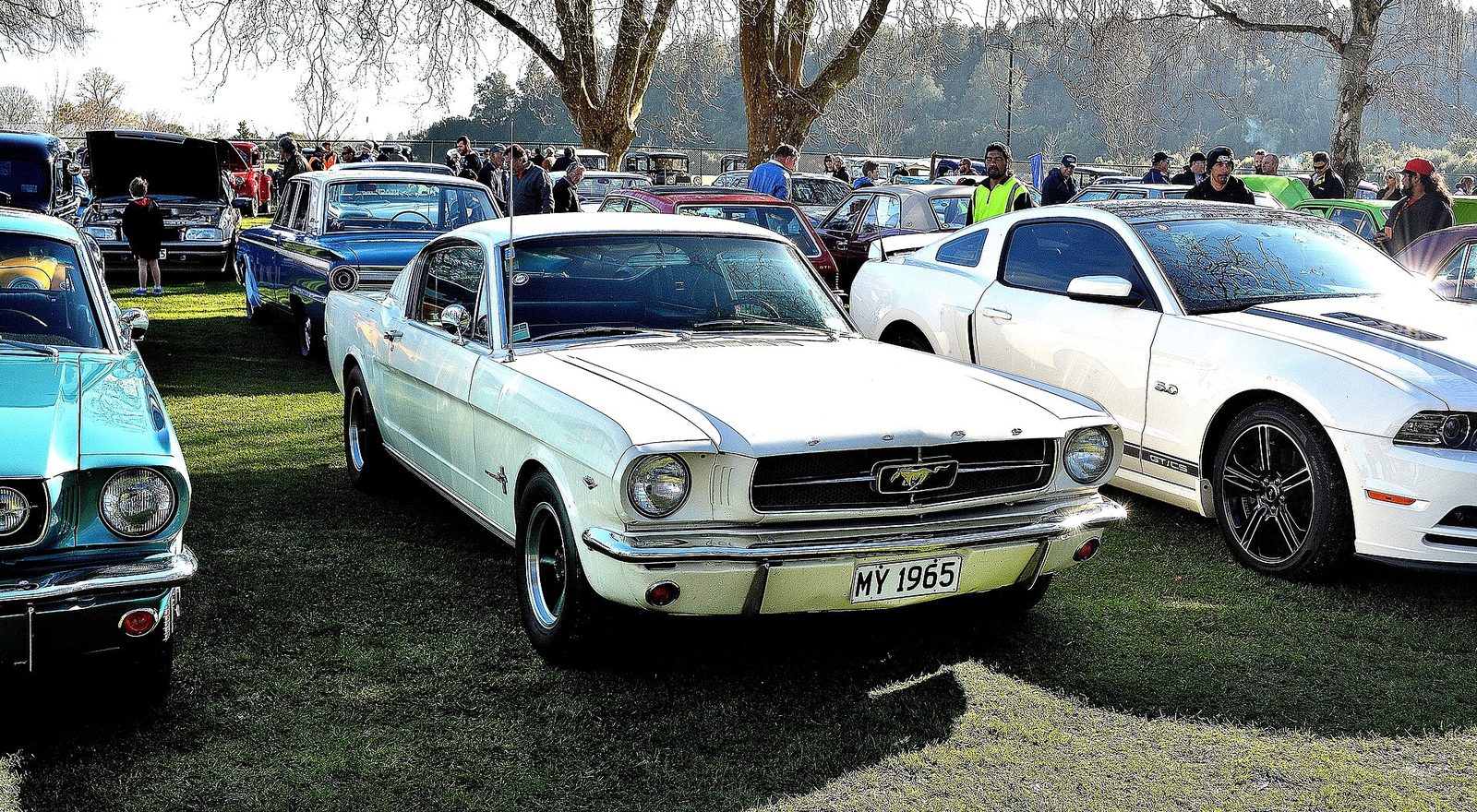
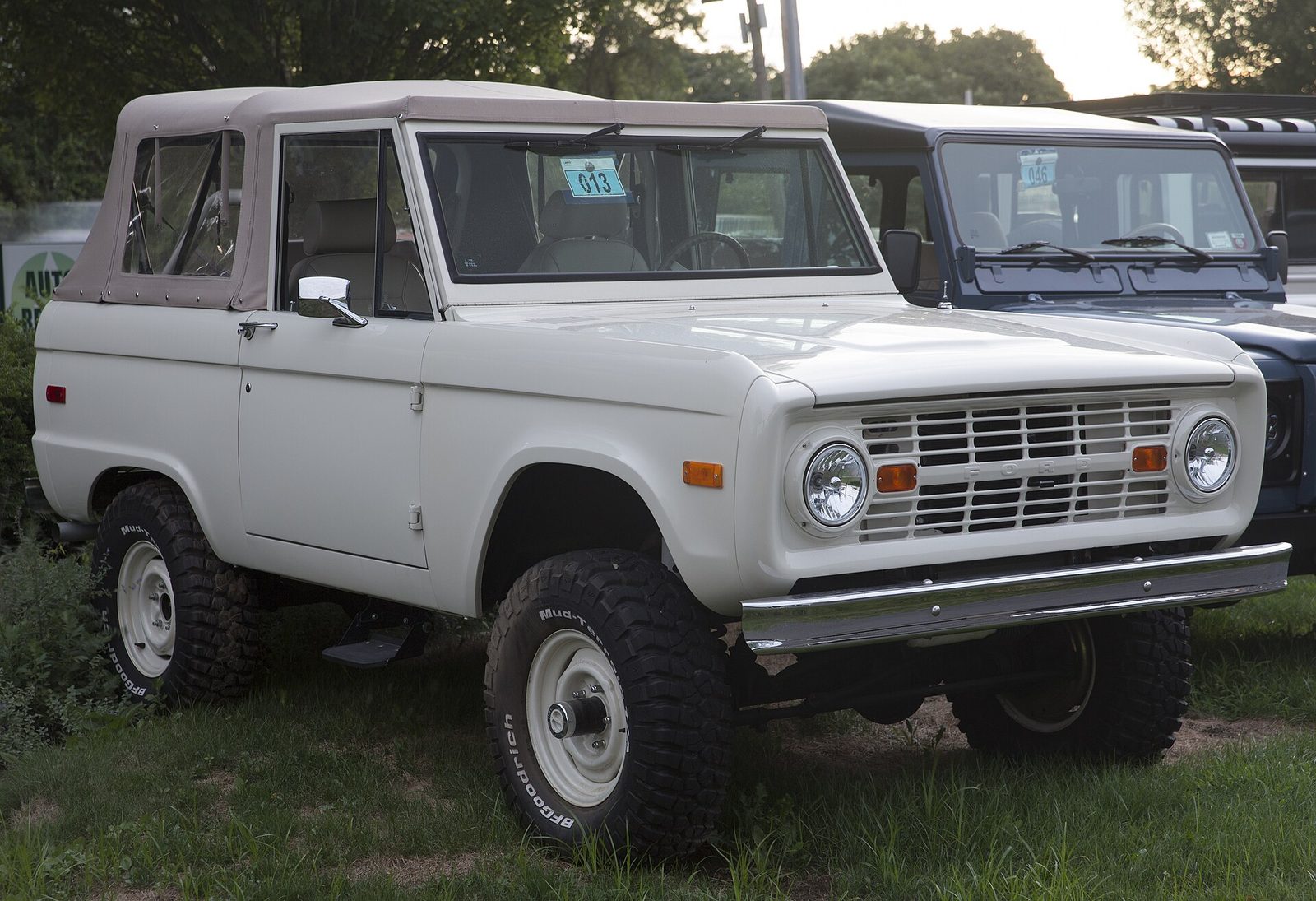
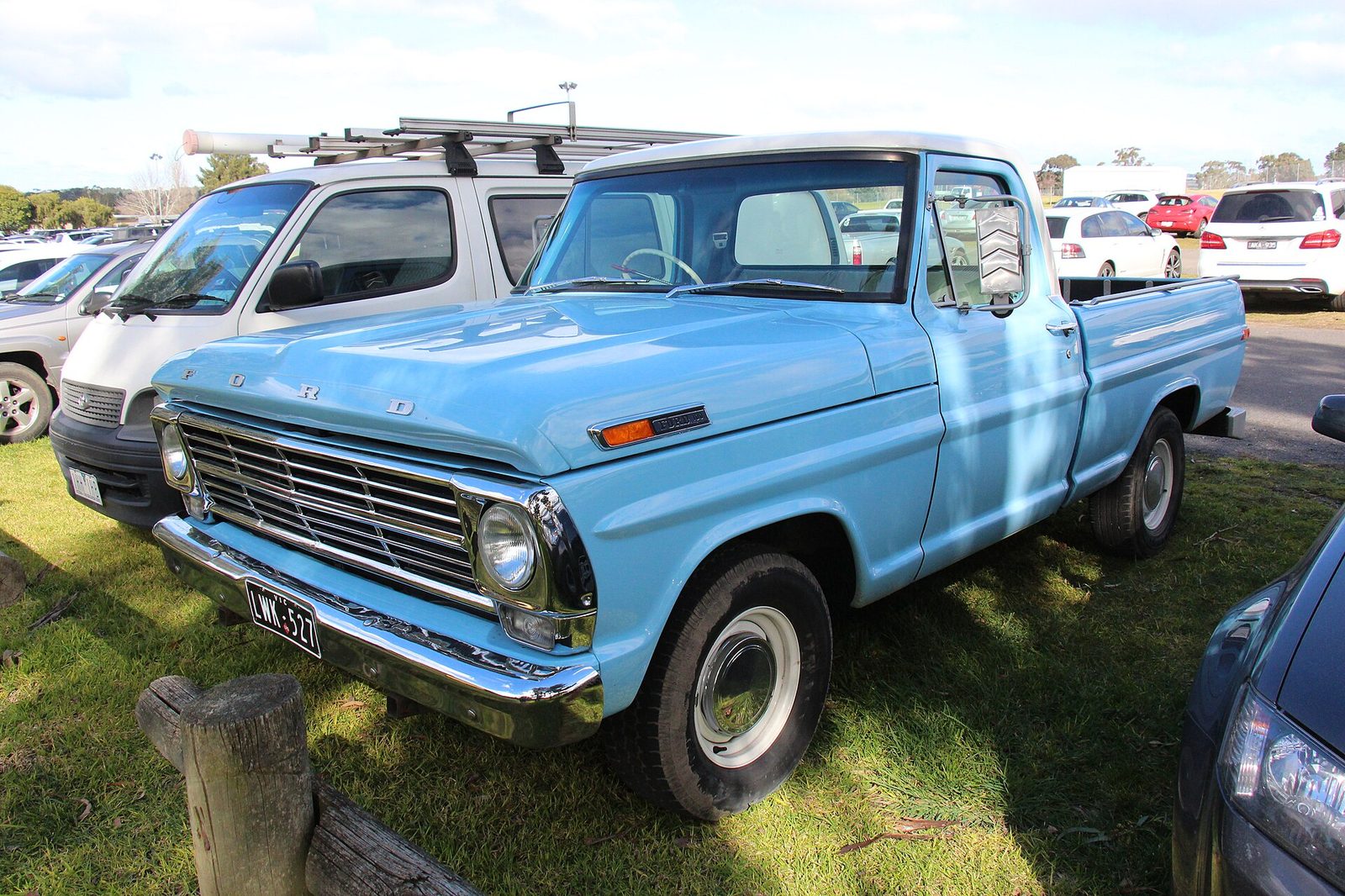
The postwar cars collectors chase start with the Thunderbird. The first generation, 1955 through 1957, was a two-seat convertible with an optional detachable fiberglass hardtop, and in 1955 it outsold the Chevrolet Corvette 16,155 to 700. Ford executives, Robert McNamara among them, worried that two seats limited sales, so the car became a four-seater for 1958. The F-Series pickup arrived for 1948 and has been the best-selling pickup line in the United States since 1977. The fifth generation, which the F-100 page on this site covers, ran from 1967 to 1972 on the platform of the 1965 revision. The Mustang was unveiled at the New York World's Fair on April 17, 1964, and was built largely from Falcon and Fairlane parts; Lee Iacocca championed it as Ford Division general manager. The Mustang II followed in 1974 on the Pinto platform, and the third generation, on the Fox platform, ran from 1979 to 1993, the cars enthusiasts call the Fox body. The Bronco arrived for 1966 as Ford's first SUV, aimed at the Jeep CJ-5 and the International Scout.
Beating Ferrari
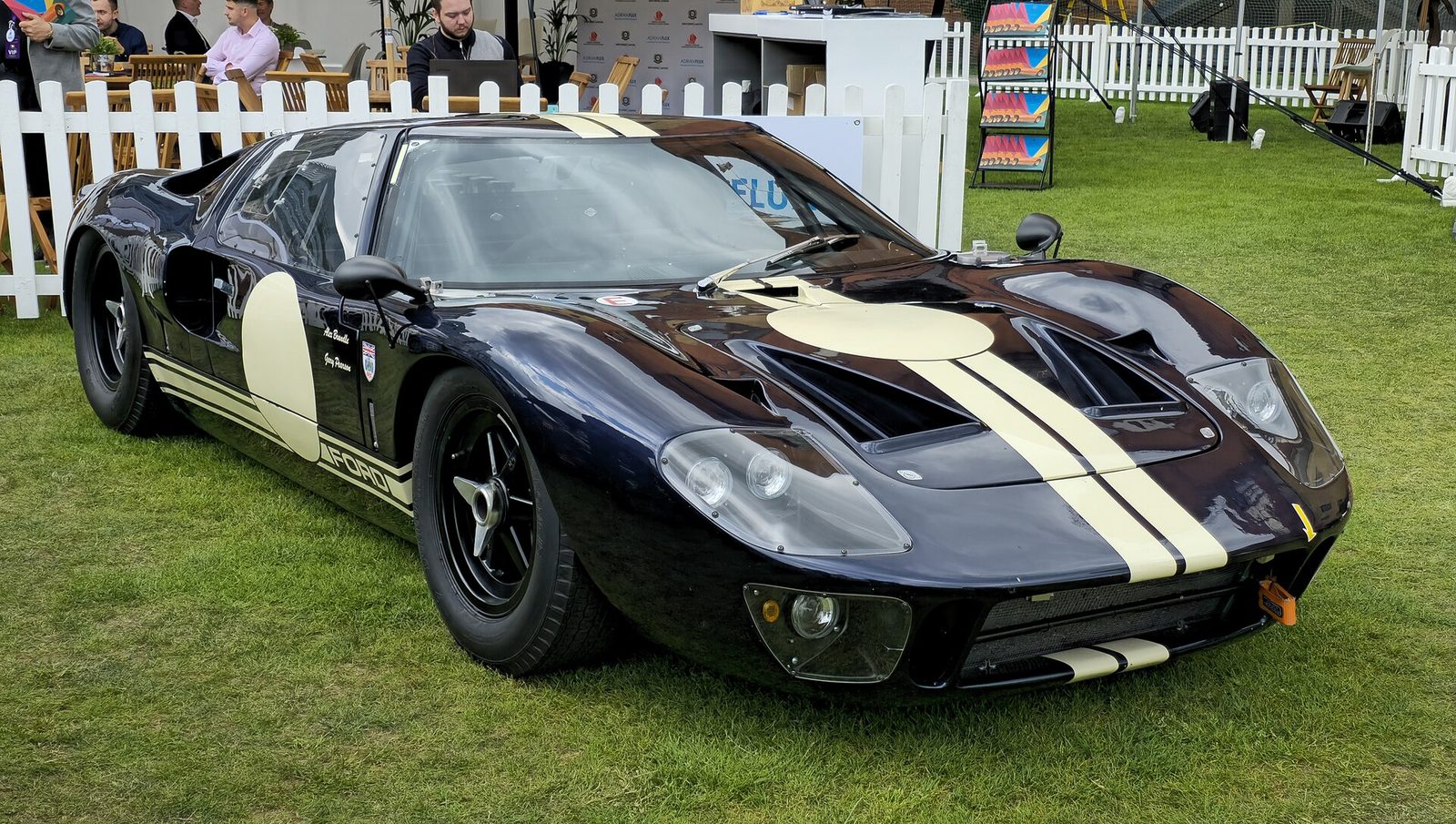
Henry Ford II had wanted a Ford at Le Mans since the early 1960s. The story goes that a deal to buy Ferrari collapsed in 1963 when Enzo Ferrari, told he would not be allowed to race at Indianapolis again, took offense, and that an enraged Henry Ford II told his racing division to build a car that could beat him. That car was the GT40. Ford Advanced Vehicles ran the first program under John Wyer, and all three entries retired at Le Mans in 1964. After the Nassau race that fall the program went to Carroll Shelby. In 1966 three 7.0 liter Mk II cars crossed the line together, with Bruce McLaren and Chris Amon declared the winners on a tiebreak rule after a near dead heat. It was the first win by an American constructor in a major European race since 1921. The GT40 won Le Mans four years running, 1966 through 1969.
Where it stands now
Ford is still headquartered in Dearborn and sells cars and commercial vehicles under the Ford name and luxury cars as Lincoln. It built a second chapter for the Le Mans story: the GT, a mid-engine two-seater for the 2005 model year, was a deliberate echo of the GT40, and a second-generation GT followed for 2017. The Bronco nameplate returned for 2021 after a 25-year gap.