A race driver and a deposed boss
General Motors began in 1908 as a holding company for Buick, put together by William Durant. By 1910 it was short of cash and Durant was forced out. He did not go quietly. In 1911 he backed a company built around Louis Chevrolet, a Swiss-born race driver who had been winning national championship races since 1905. The company was started on November 3, 1911, with Louis, his brother Arthur and Durant. The first car, the Series C Classic Six, was costly, and its design work was drawn up by Etienne Planche on Louis's instructions.
The partnership did not last. Louis disagreed with Durant over the design of the car, and in 1915 he sold Durant his share. In 1916 he and his brothers started Frontenac, which made racing parts for the Ford Model T, and he drove the Indianapolis 500 four times, with a best finish of seventh in 1919. He died in Detroit in 1941. The car that carried his name was by then in the hands of the man who had hired him.
The cheap car that bought back General Motors
The cheaper Series 490 was the car that mattered. By 1916 its sales made Chevrolet profitable enough for Durant to use the company to repurchase a controlling interest in General Motors. He led GM until 1920, with Chevrolet merged into it as a division on May 2, 1918.
Durant lost control of GM in 1920 and Alfred Sloan rose to the presidency. Sloan's pricing ladder put Chevrolet at the bottom and Cadillac at the top, with Pontiac, Oldsmobile and Buick between. Chevrolet was the entry rung and it stayed the biggest.
The small-block and the Corvette
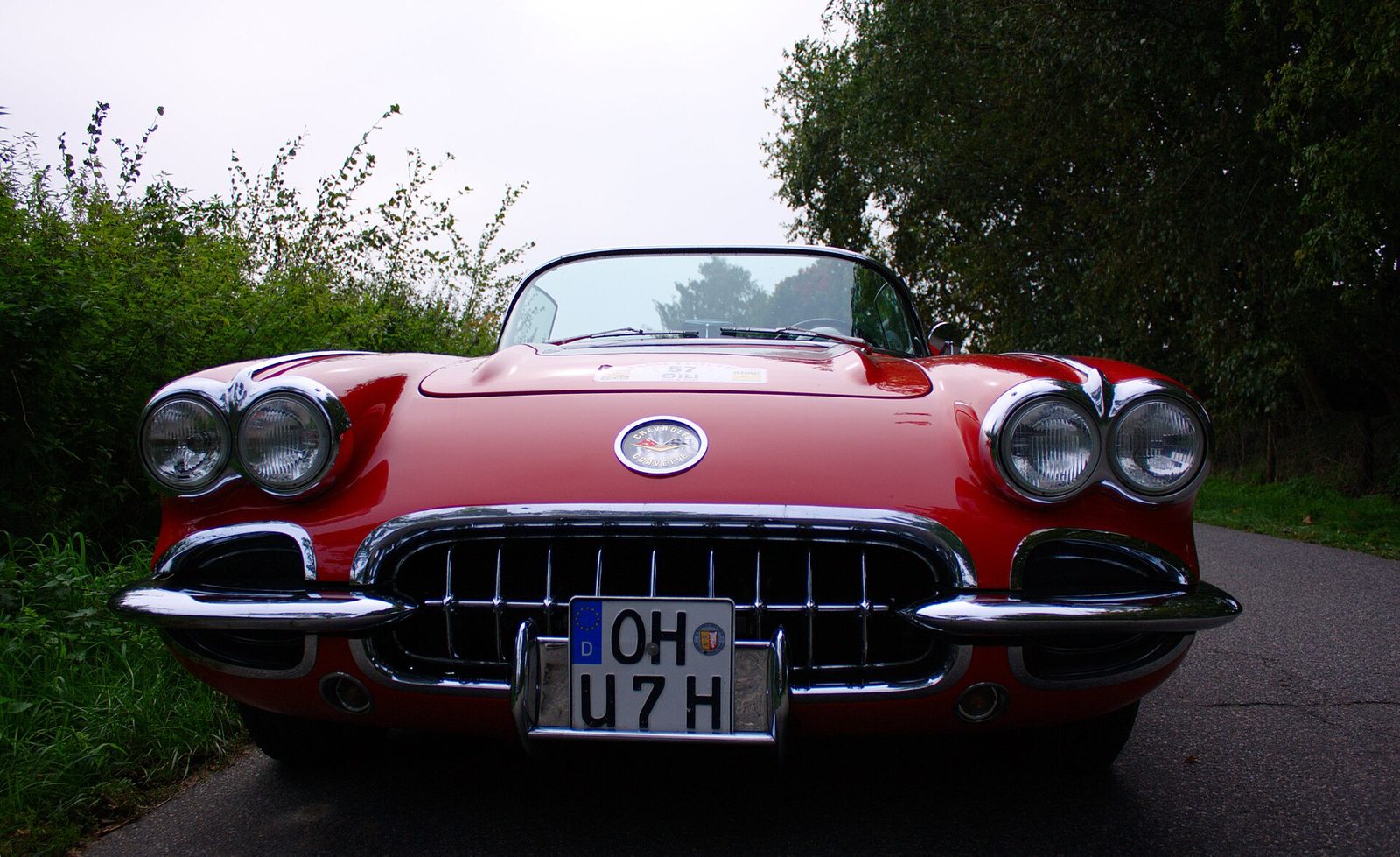
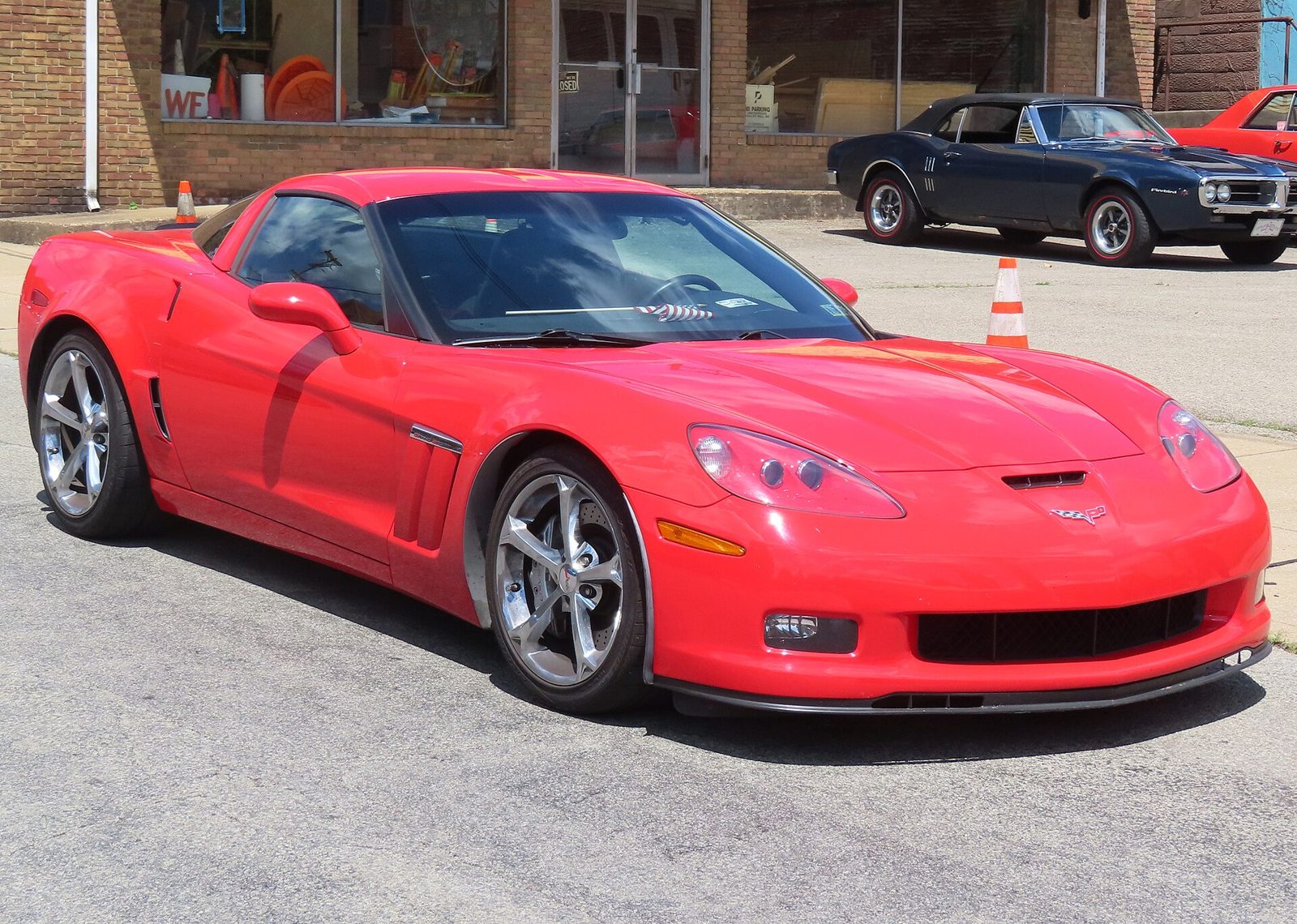
The Corvette began as a show car at the 1953 General Motors Motorama in New York, drawn by Harley Earl, and went on sale the same year with a fiberglass body whose reinforcement was placed by hand. For 1953 through 1955 it came only with a six-cylinder engine. Two things changed that. One was the small-block V8, which went into production in late 1954 for the 1955 model year at 265 cubic inches, with engineer Ed Cole credited with leading its design. The other was Zora Arkus-Duntov, a Belgian-born engineer who wrote to Cole about how much he wanted to work on such a car and started at Chevrolet on May 1, 1953 as an assistant staff engineer.
The small-block is the other reason Chevrolet matters to collectors. The basic design has been in continuous production since 1955, longer than any other mass-produced engine in the world. A 1957 version with Rochester mechanical fuel injection made one horsepower per cubic inch. The same engine family sits under the Bel Air of 1955 through 1957, the three years collectors call the Tri-Fives, and under most of what followed.
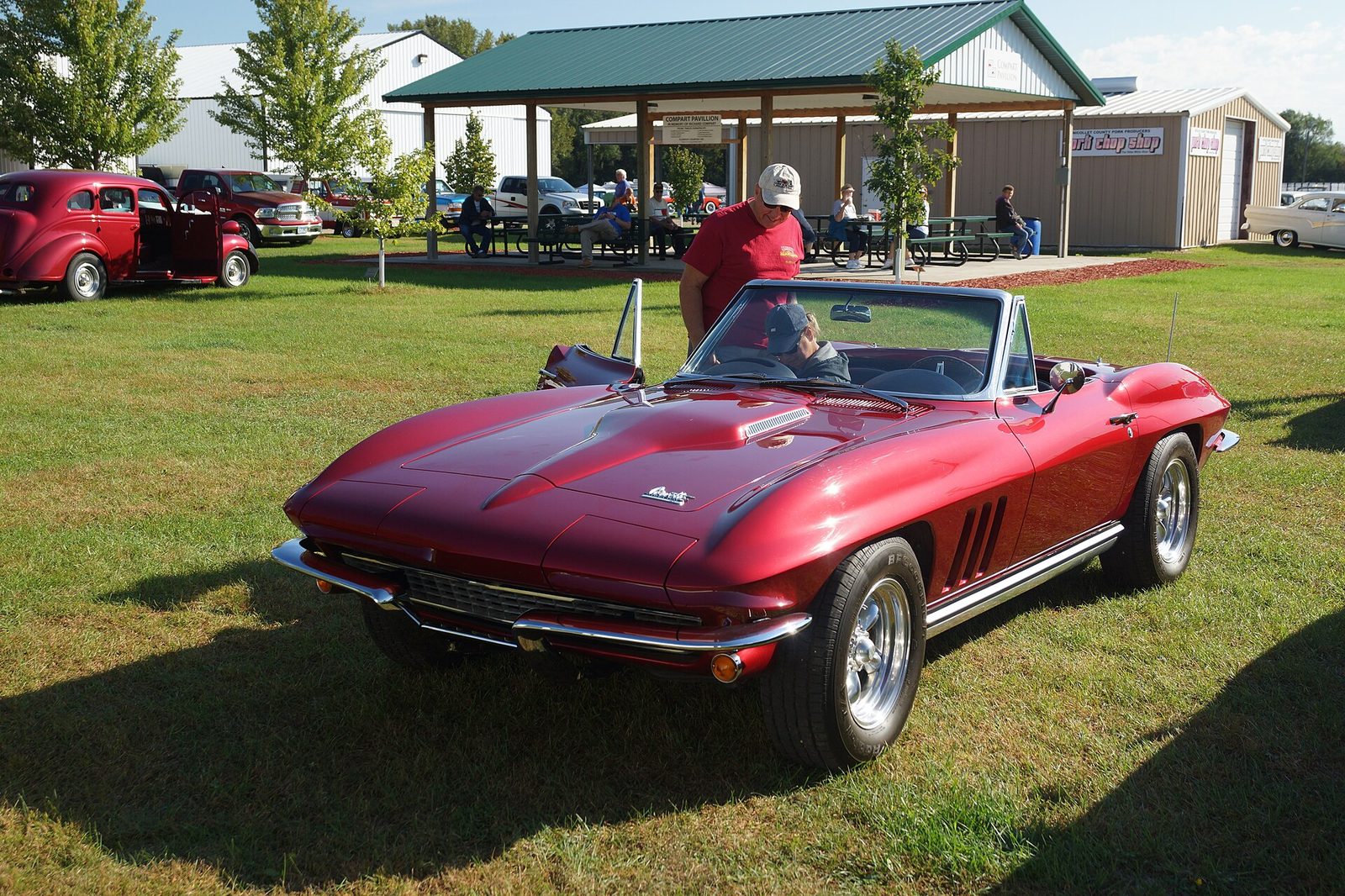
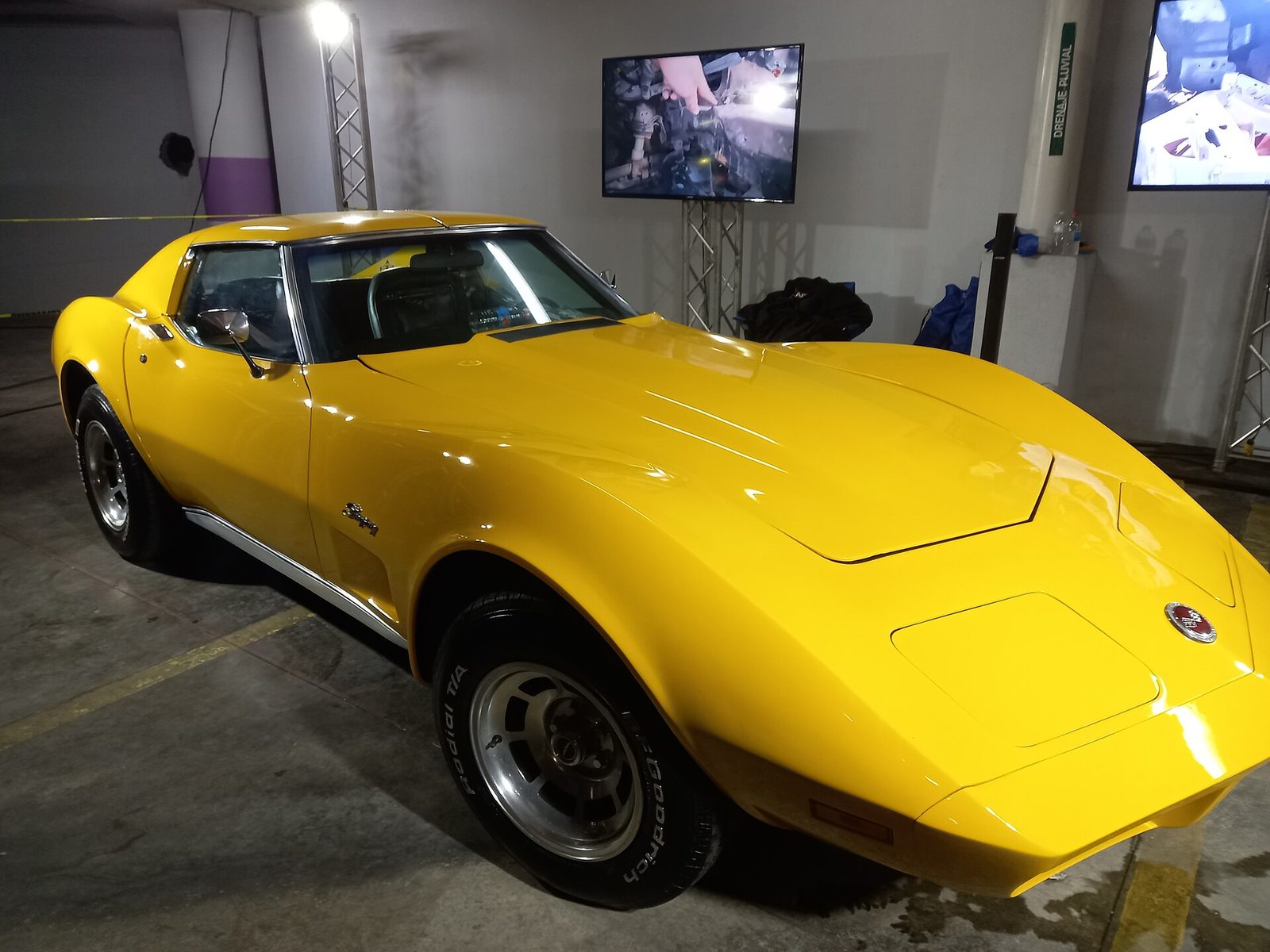
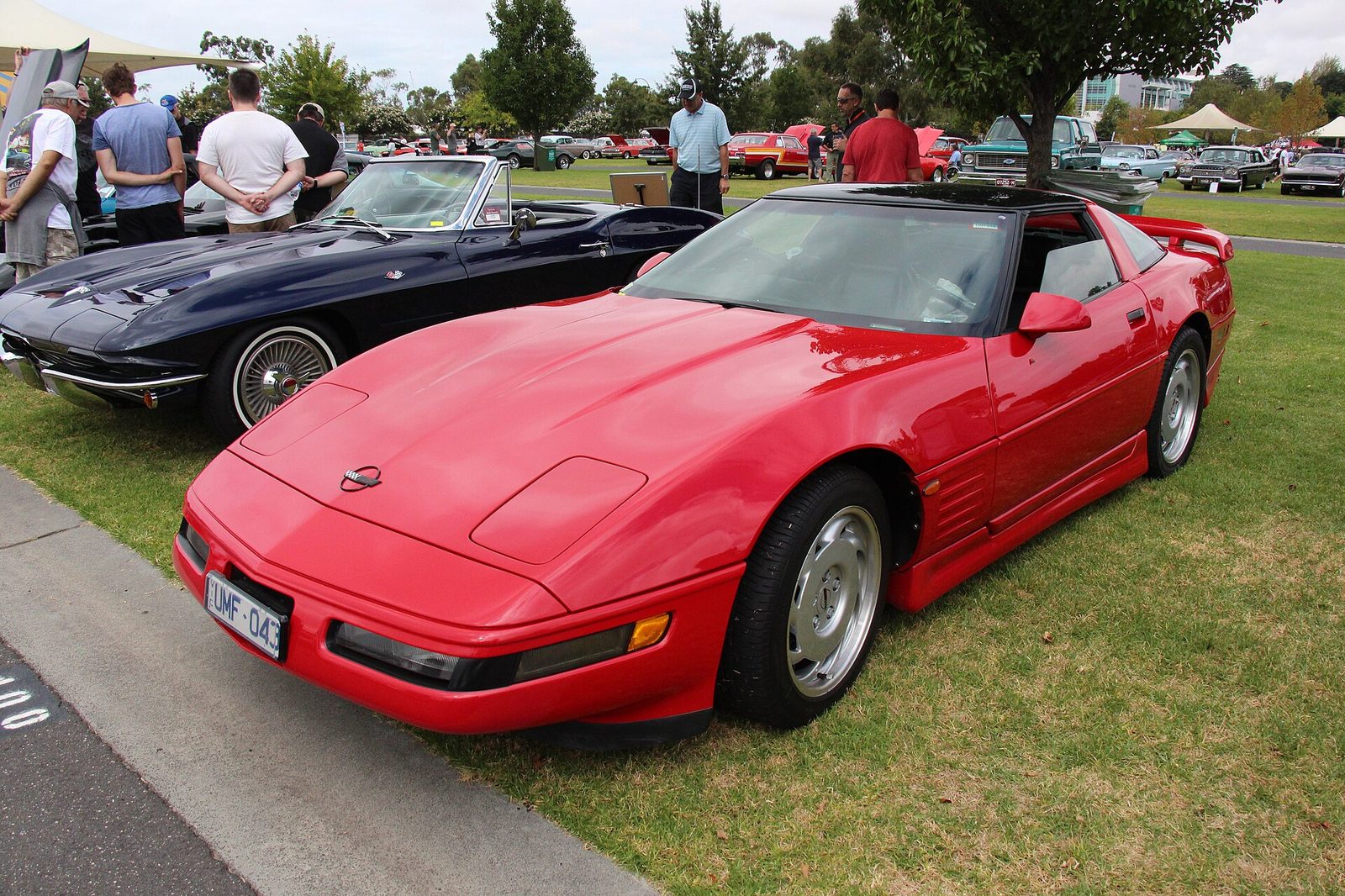
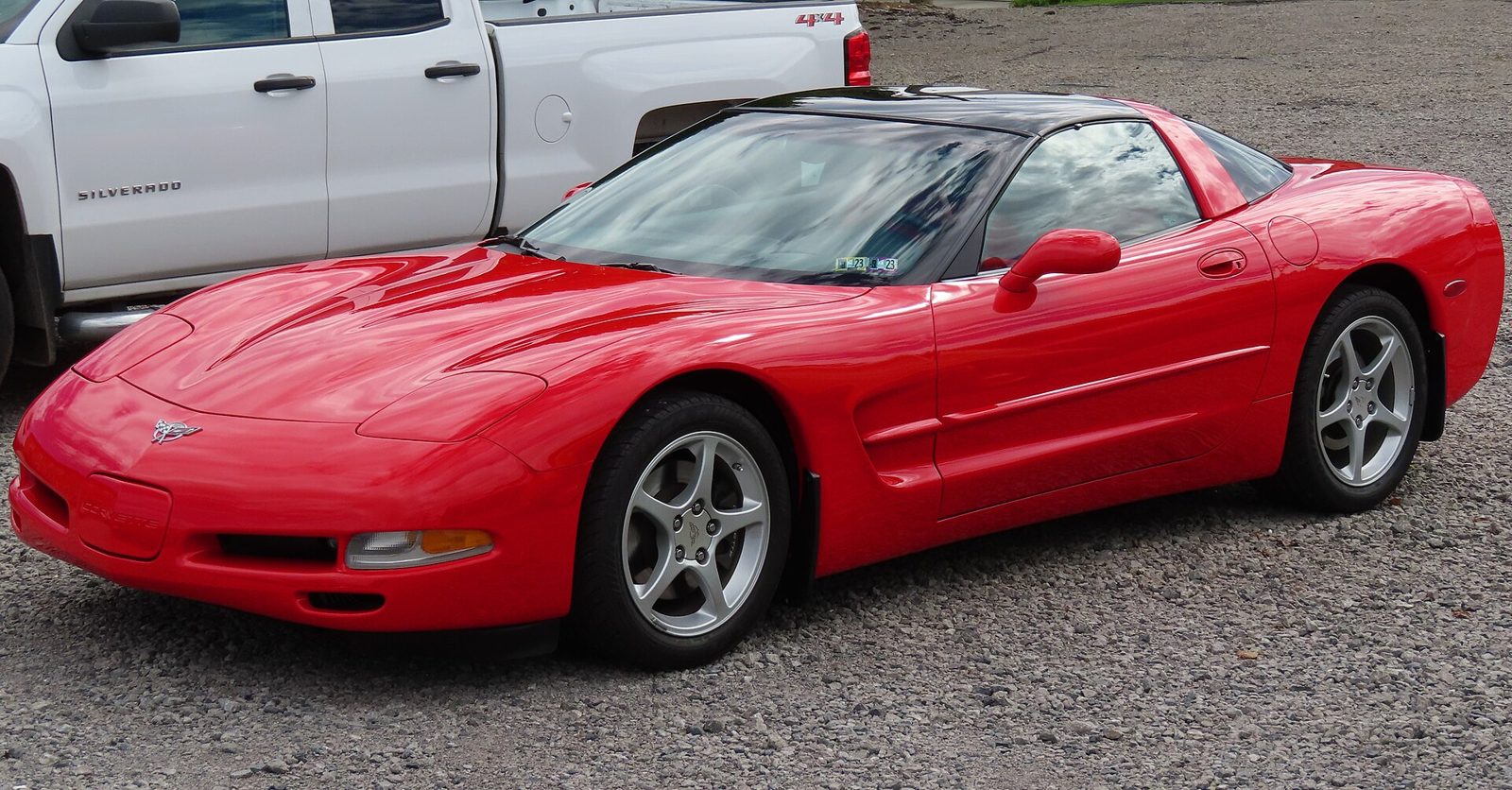
Arkus-Duntov was made chief engineer for the Corvette in 1967 and retired in 1975. By then the car had passed through the C1 of 1953 to 1962 and the C2 of 1963 to 1967 into the C3, which ran 1968 to 1982. The model pages on this site take it from there: the C1, C2 and C3, then the C4 ZR1, the C5 and the C6.
Muscle and pickups
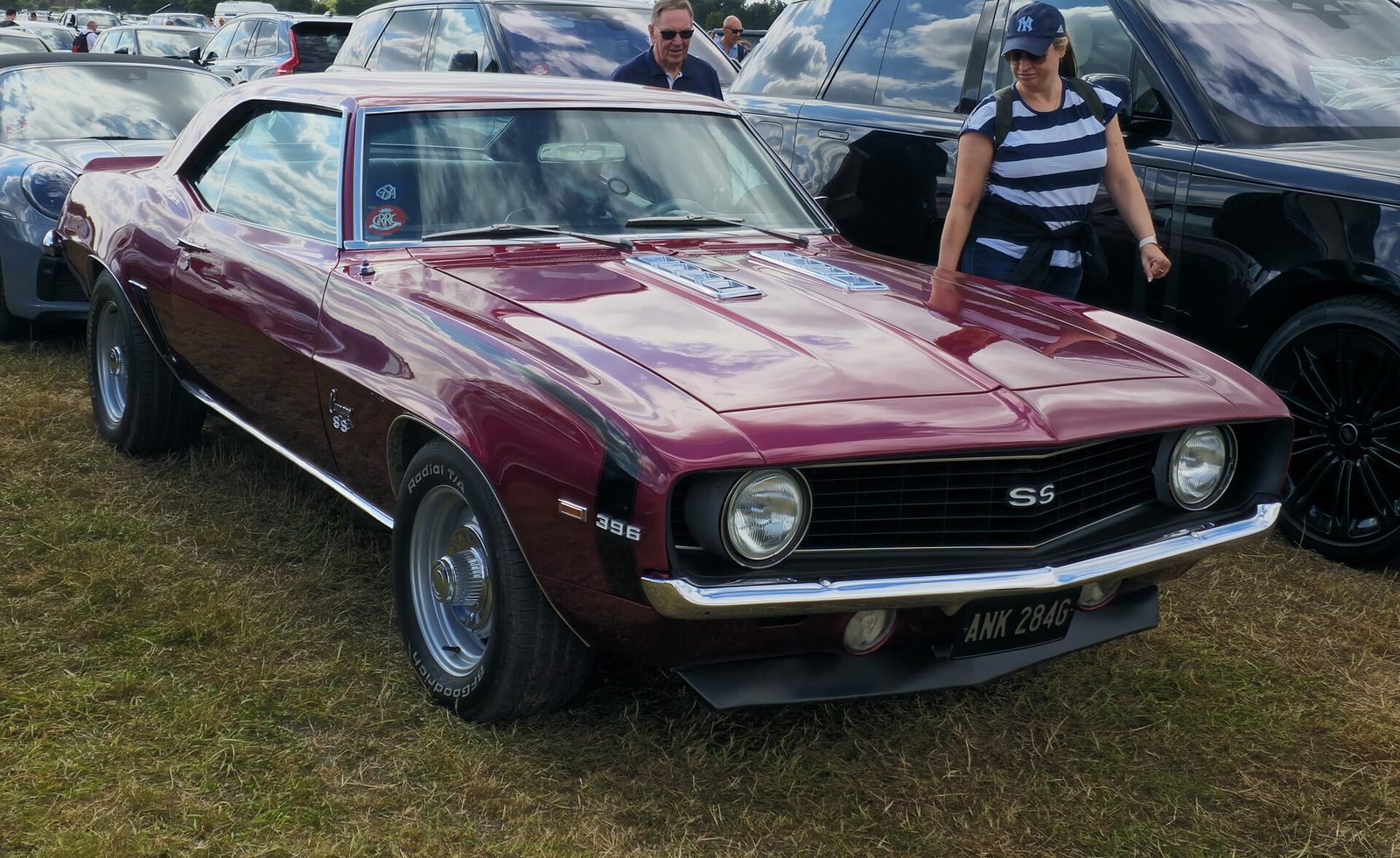
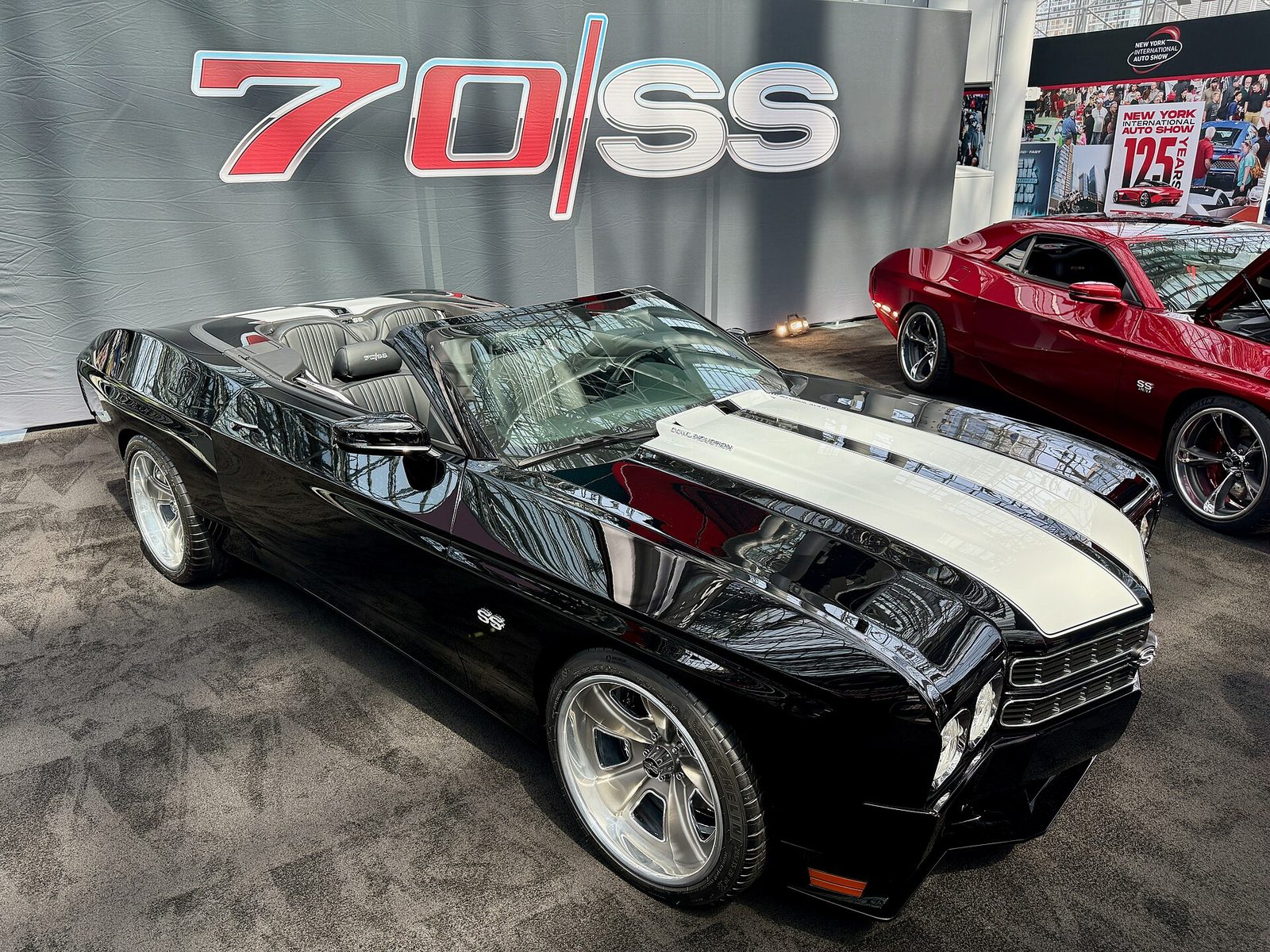
The 1960s gave Chevrolet two more families. The Chevelle was the only all-new car in the American auto industry for 1964, slotted between the small Chevy II and the full-size cars, and it carried the Malibu SS badge in its first years. The Camaro went on sale on September 29, 1966 as a 1967 model, built to compete with the Ford Mustang, and the high-performance Z/28 arrived that December, developed for Trans-Am racing. The first generation ran through the 1969 model year. The Chevelle SS and the first-generation Camaro both have pages here.
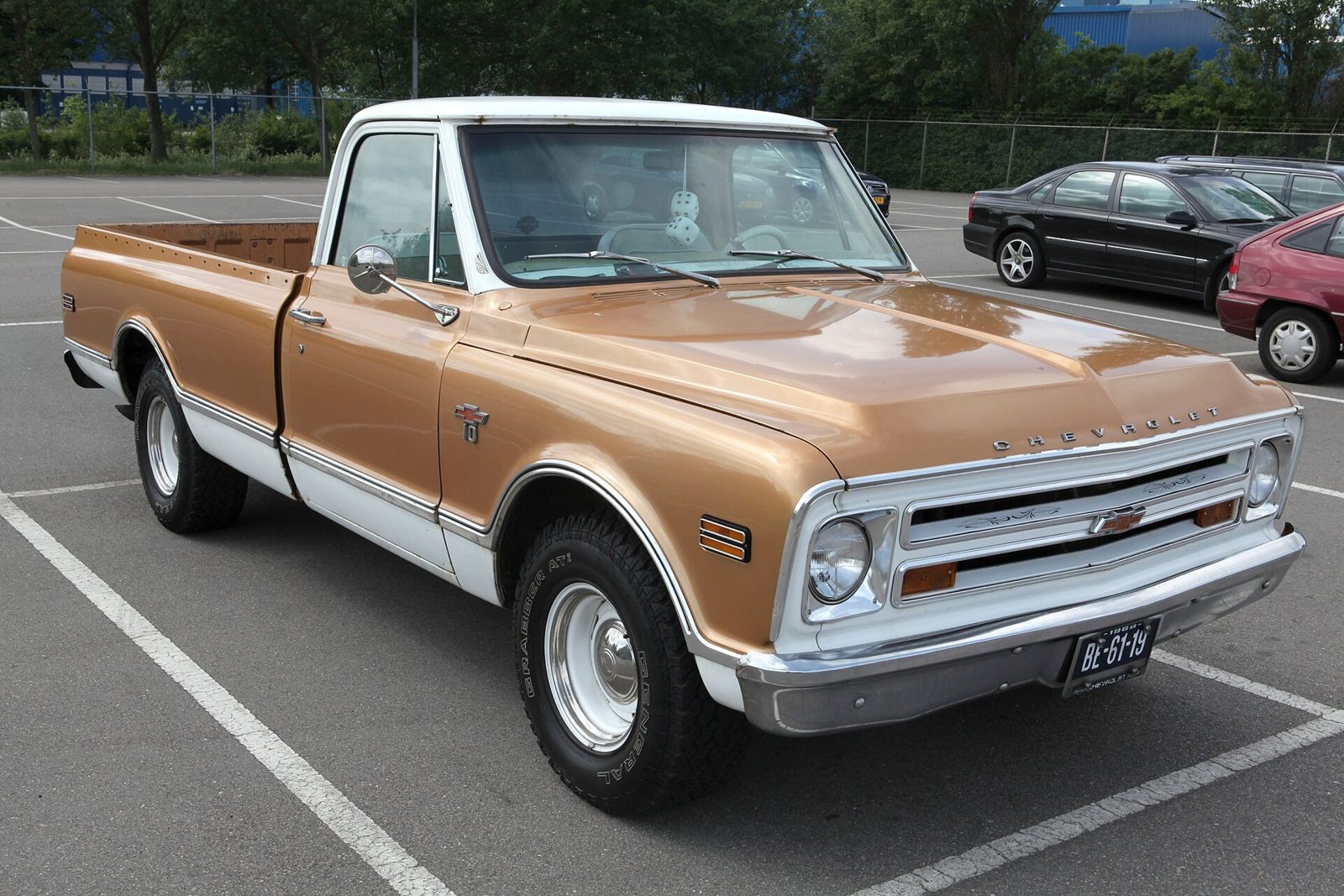
The trucks are the other half of the business. The C/K line introduced a drop-center frame and independent front suspension for pickups. The second generation, redesigned from the ground up, arrived for 1967 and is the C10 of 1967 through 1972. The third generation, the square body, arrived for 1973 and was the first to carry the Silverado name. Both C10 generations have pages on this site.
Where it stands
Chevrolet is the mainstream brand of General Motors, which was itself the largest automaker in the United States by total sales until Toyota passed it in 2008. GM went through a government-backed Chapter 11 reorganization in June 2009. The Corvette is built in Bowling Green, Kentucky, as it has been since 1981, and is now in its eighth generation, which does not yet have a page here.