Why the company exists
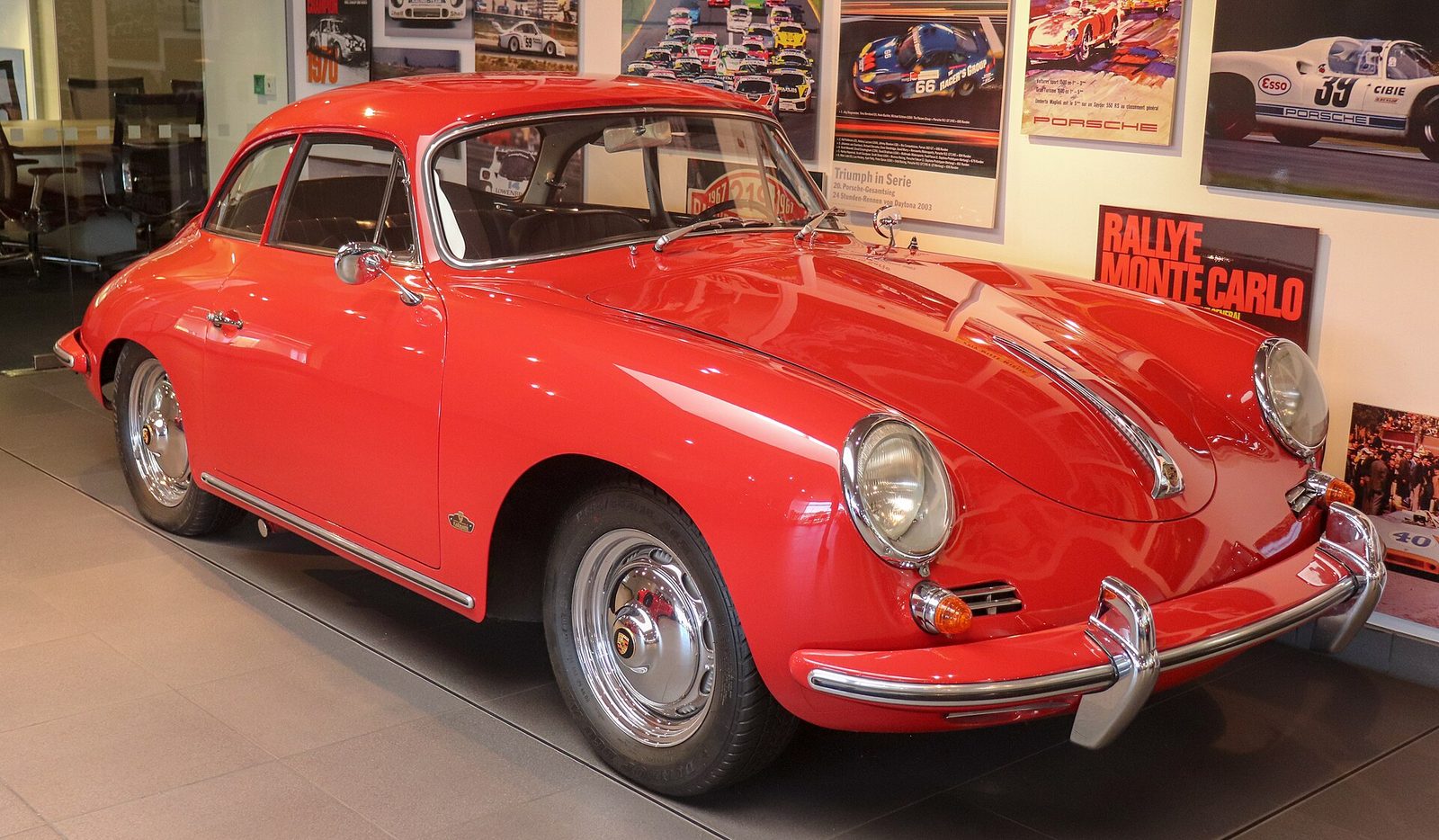
Ferdinand Porsche founded Dr. Ing. h. c. F. Porsche GmbH with Adolf Rosenberger and Anton Piëch in 1931, but the founding year and the first car are seventeen years apart, and the sources agree on which one a collector cares about. Many regard the 356 as the first Porsche simply because it was the first model sold, and it was road-certified in 1948. Production began at Gmünd, Austria, and moved to Zuffenhausen, Germany, in 1950. The 356 was a four-cylinder, air-cooled, rear-engine car in the Volkswagen Beetle mold, with steel bodies built by Reutter, a coachbuilder Porsche eventually bought in 1963.
The importer who made the American market
Max Hoffman, born in Vienna in 1904 and in New York from 1941, was already importing Volkswagens for the eastern United States when he took on Porsche. His first contract covered 15 cars a year. He imported 32 in 1951 and 283 the year after. In late 1954 he convinced the factory to build a stripped-down roadster, the 356 Speedster. By 1955 US deliveries were 1,514 cars, which Porsche's own newsroom puts at more than half of total sales. Other sources put the US share lower, and the difference is noted below in the claims. Either way, a Vienna-born importer in New York shaped what Porsche built.
One car, then a family that argued with itself
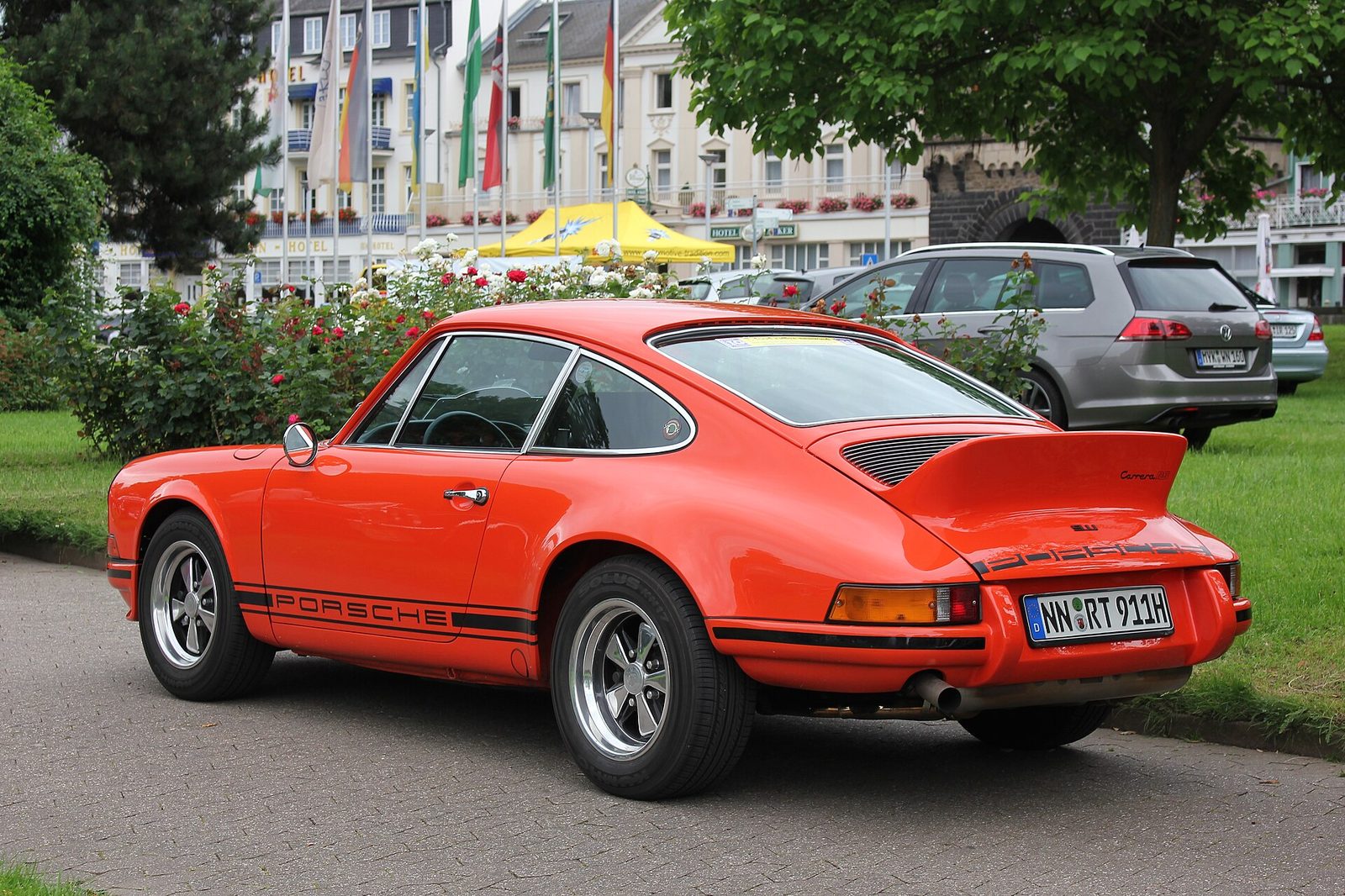
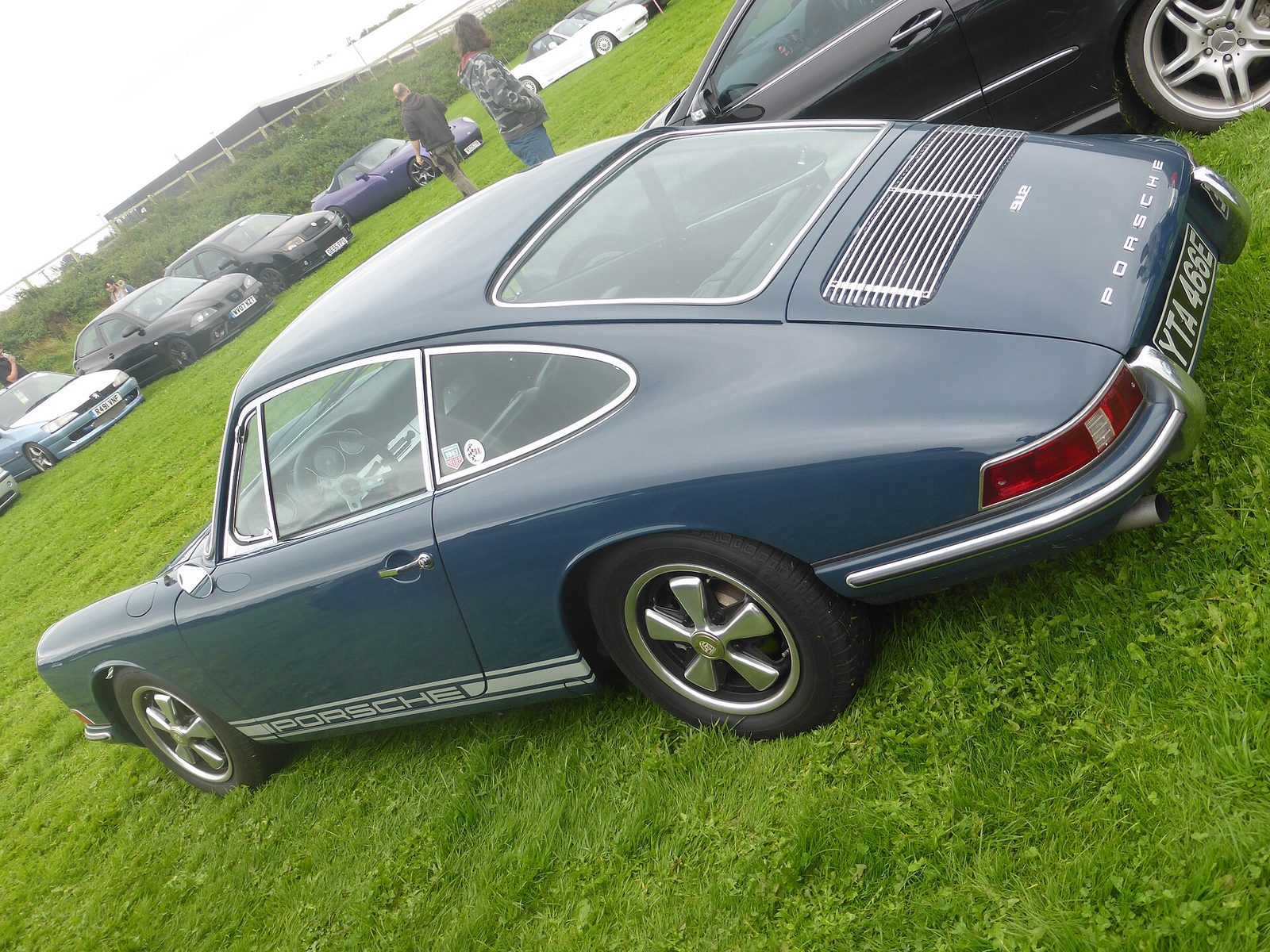
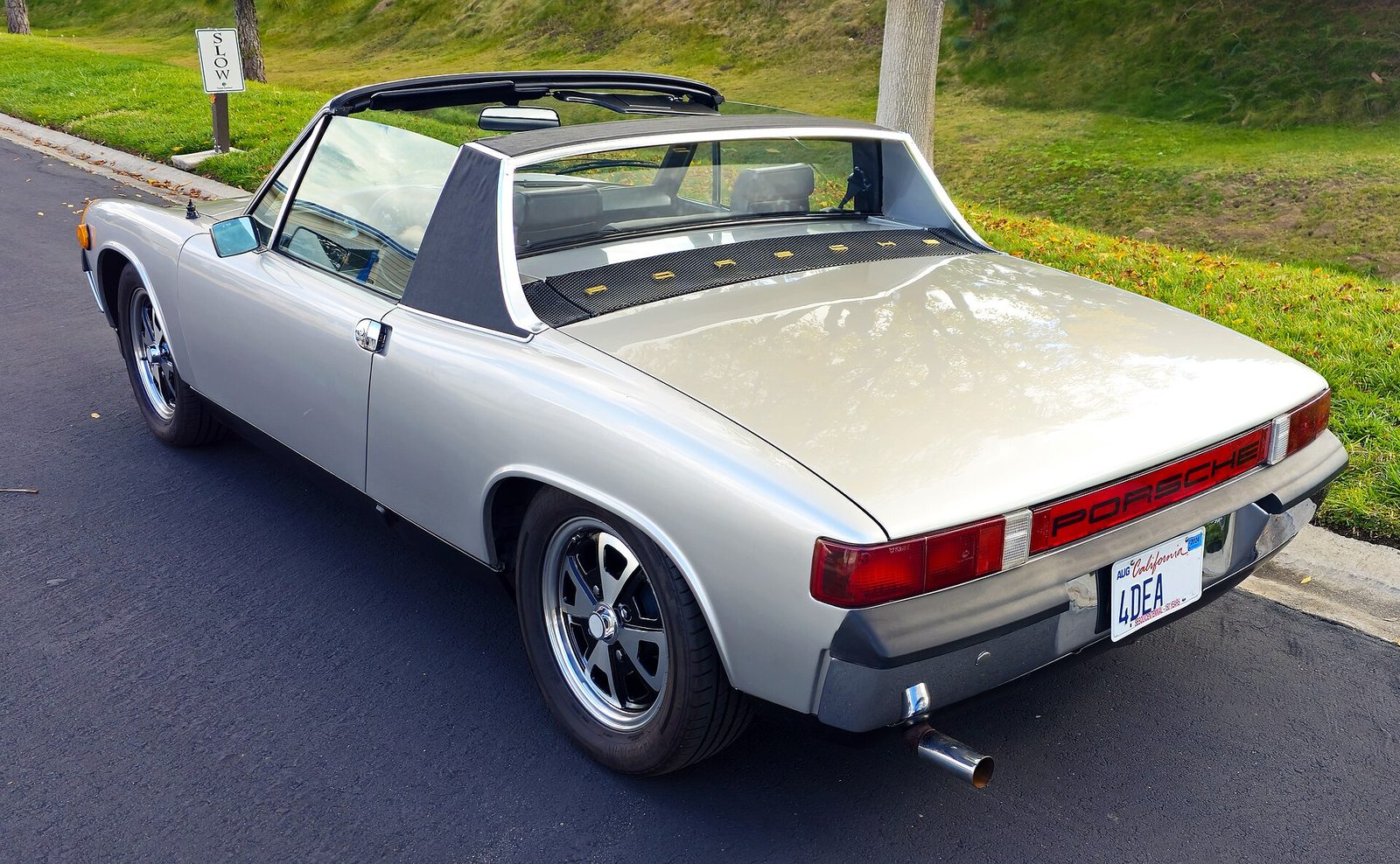
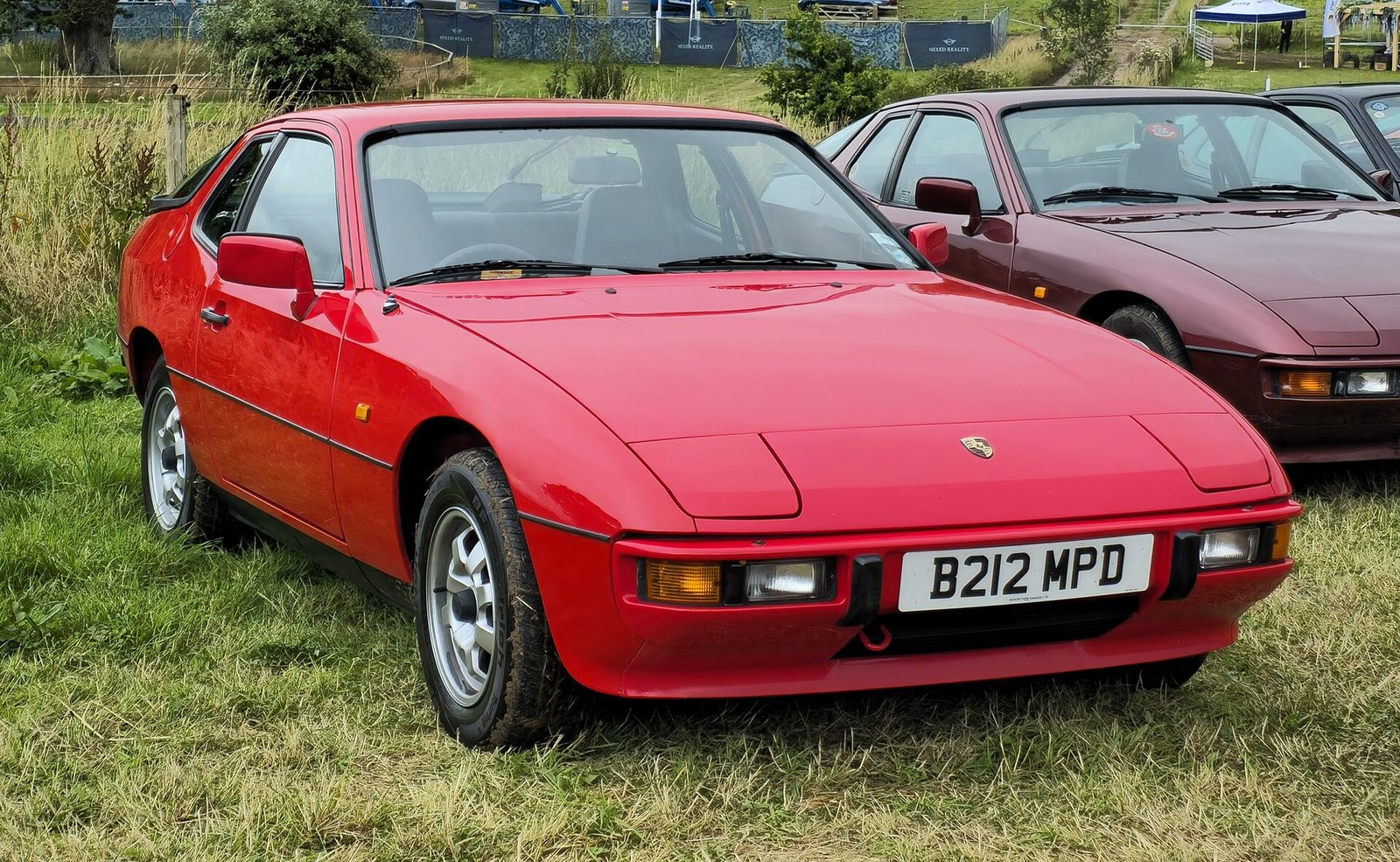
The 356 gave way to the 911, shown at Frankfurt in 1963 and styled largely by Ferdinand "Butzi" Porsche, son of Ferry Porsche. Peugeot objected to a three-digit name with a zero in the middle, so the 901 became the 911. The first cars reached the US in February 1965. The 912 and the 914 shared the showroom early on, and the 914 was a joint project with Volkswagen that Europe sold as a VW-Porsche and America sold as a Porsche. Motor Trend named it Import Car of the Year for 1970, and the 914/6 ended up costing only a bit less than the 911T, Porsche's next lowest priced car. The 912E, a one-year stopgap for the 1976 model year, was aimed only at the US market, and the 924 followed.
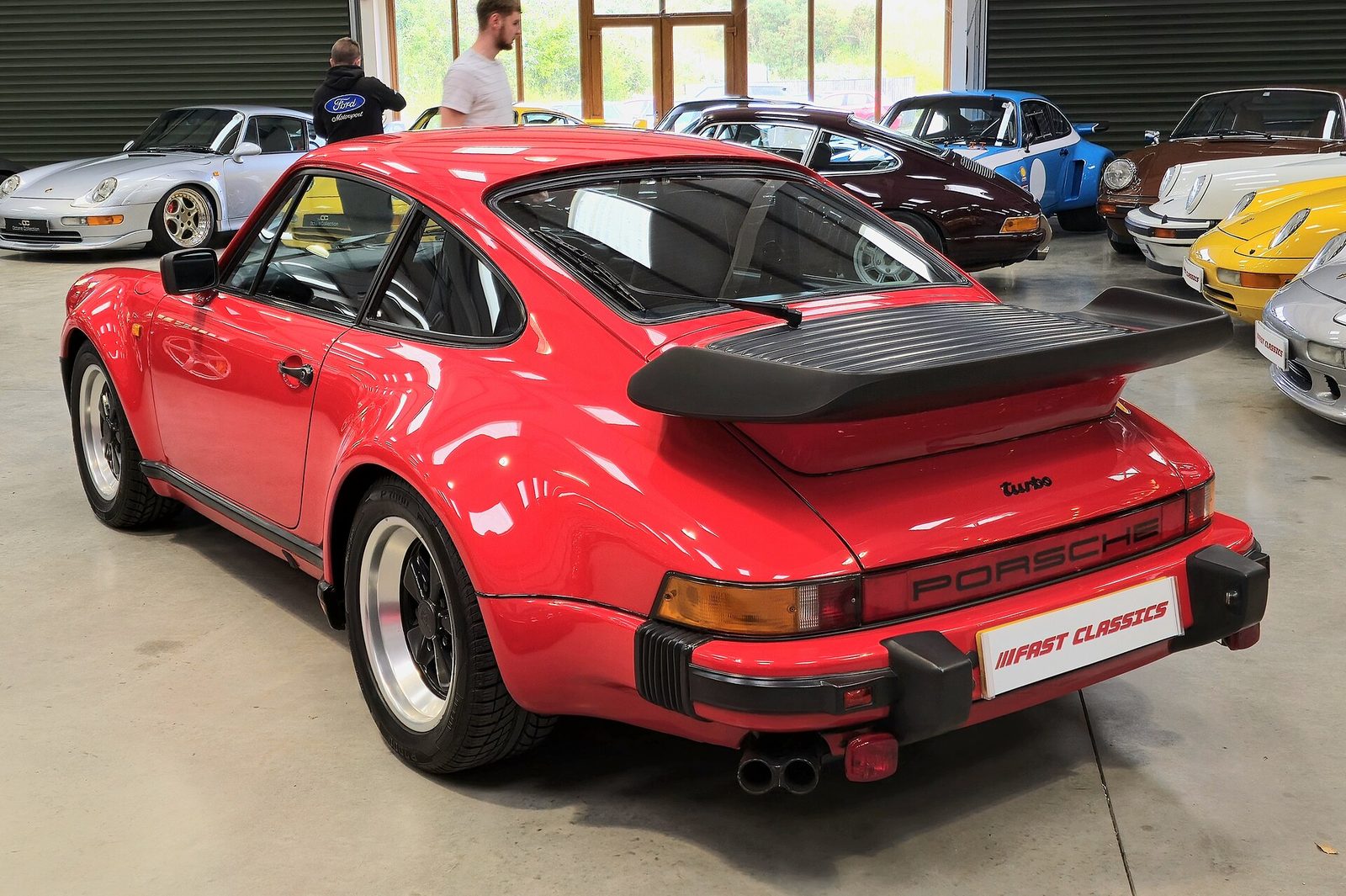
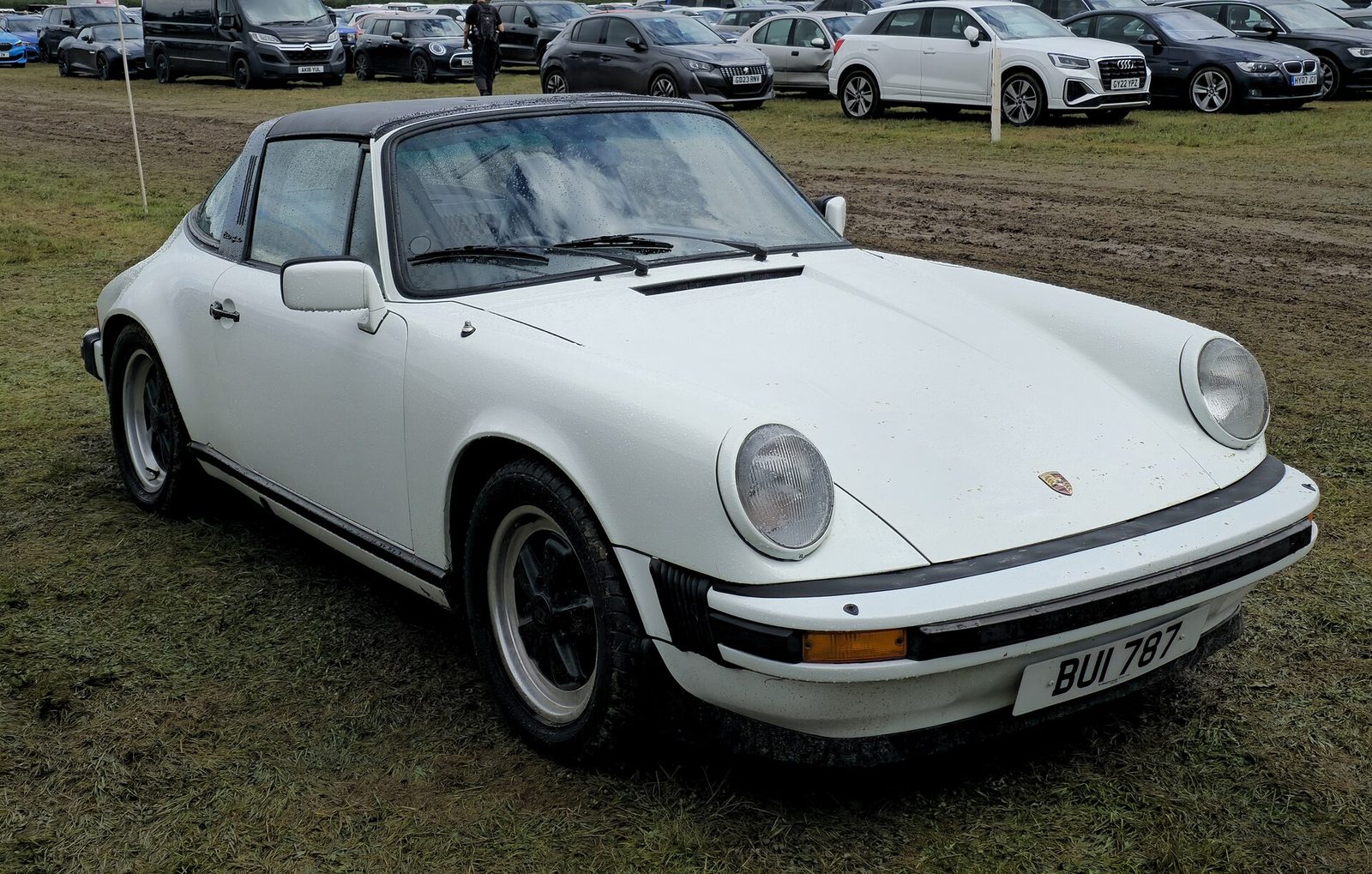
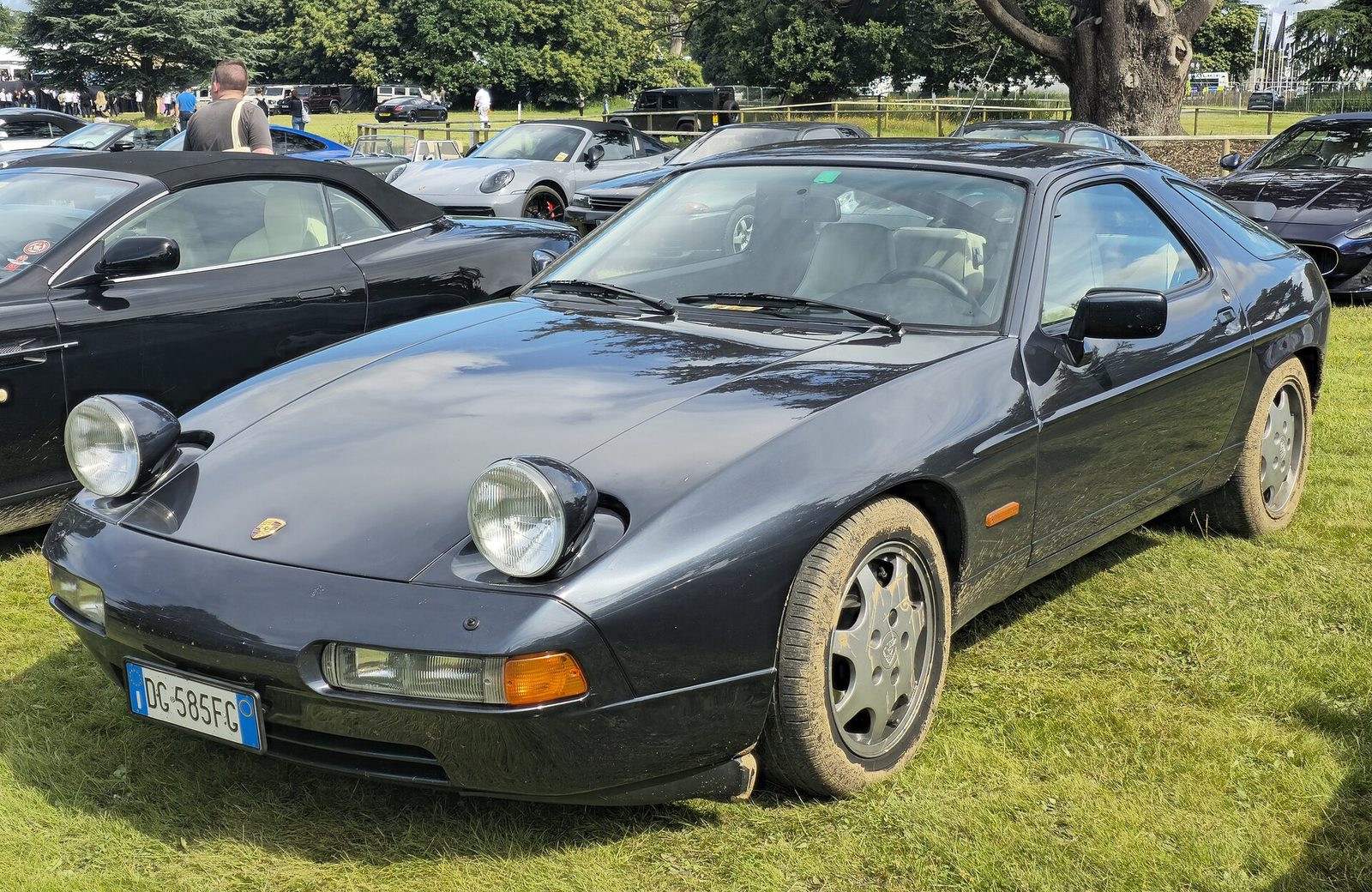
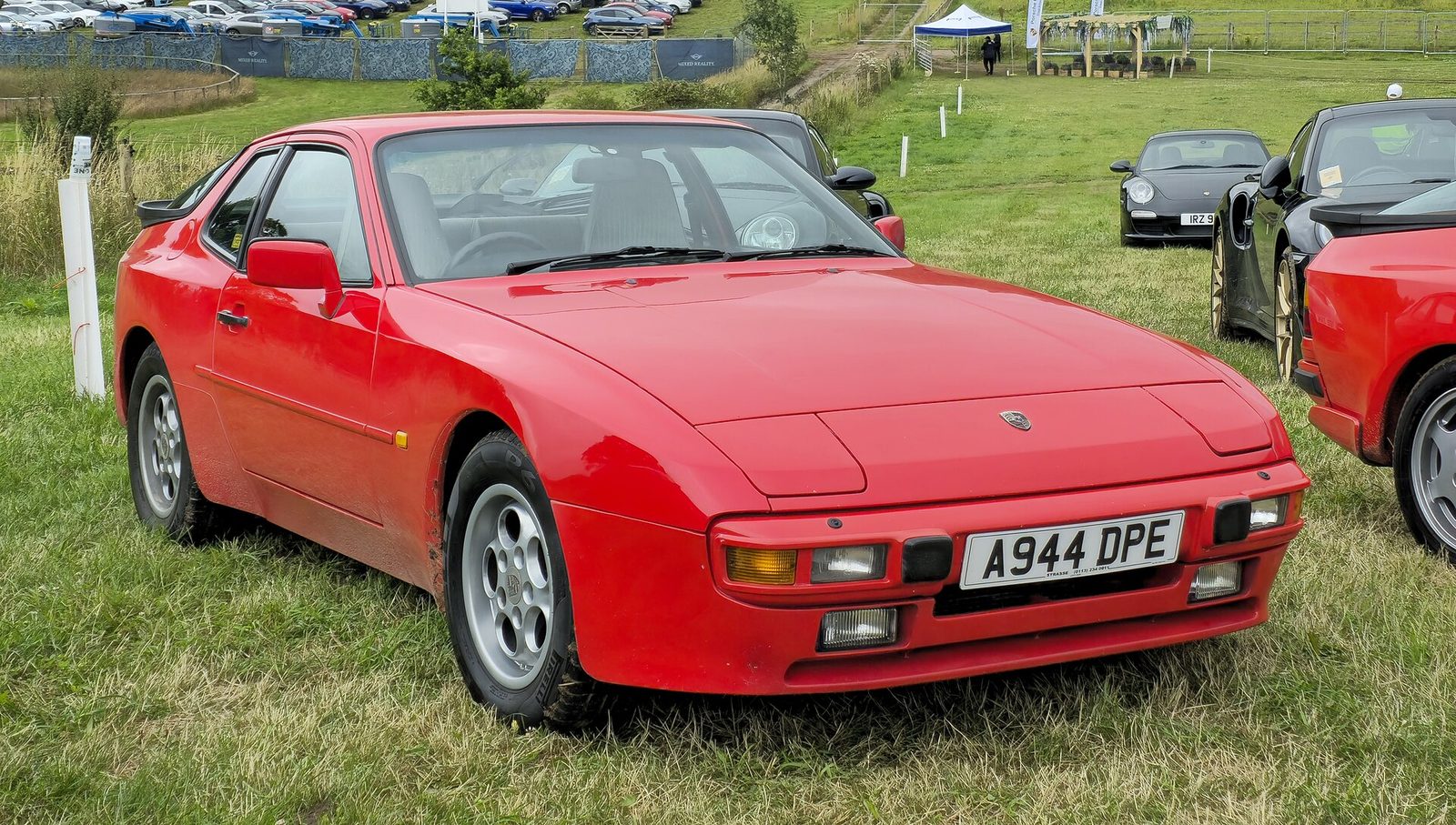
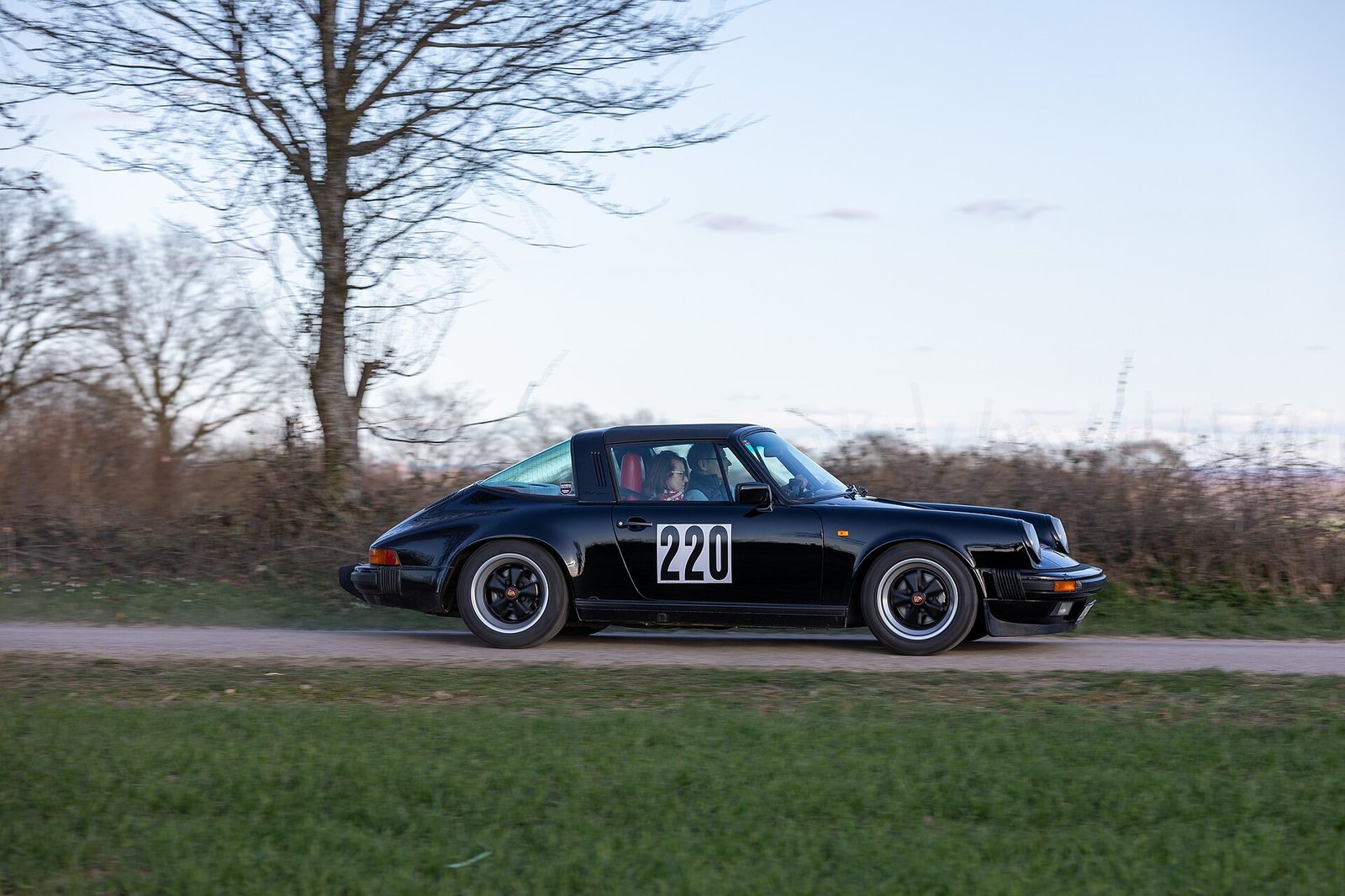
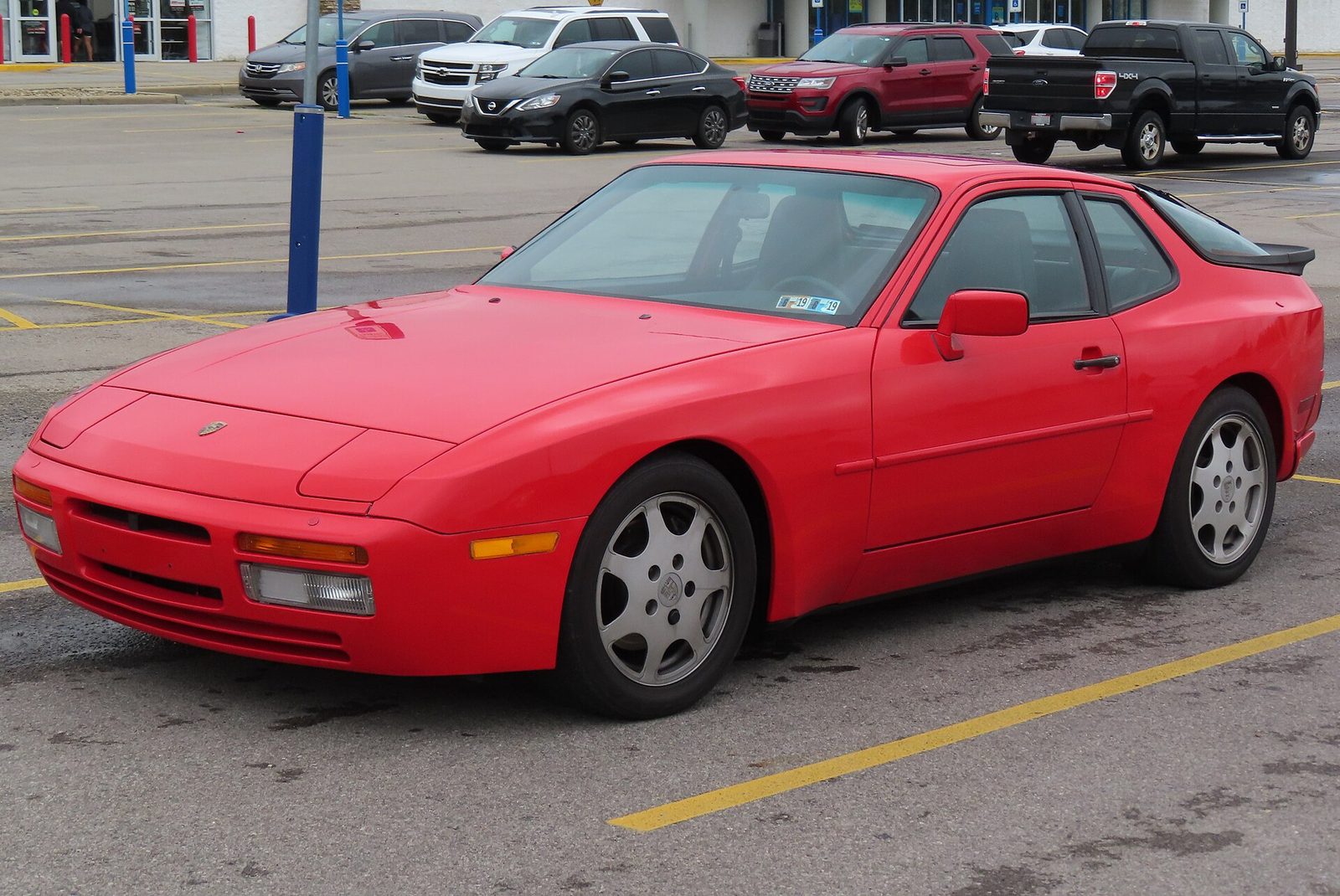
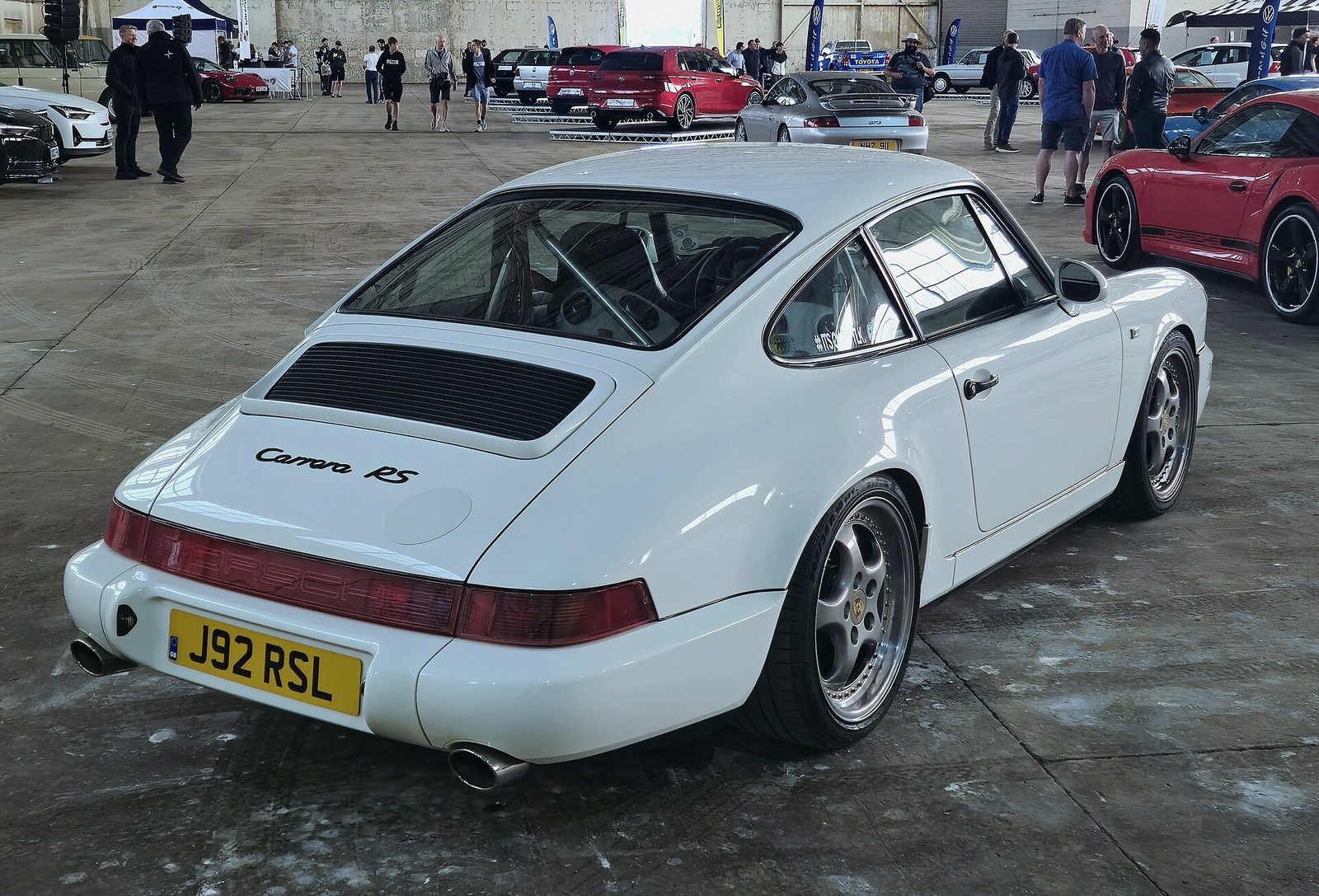
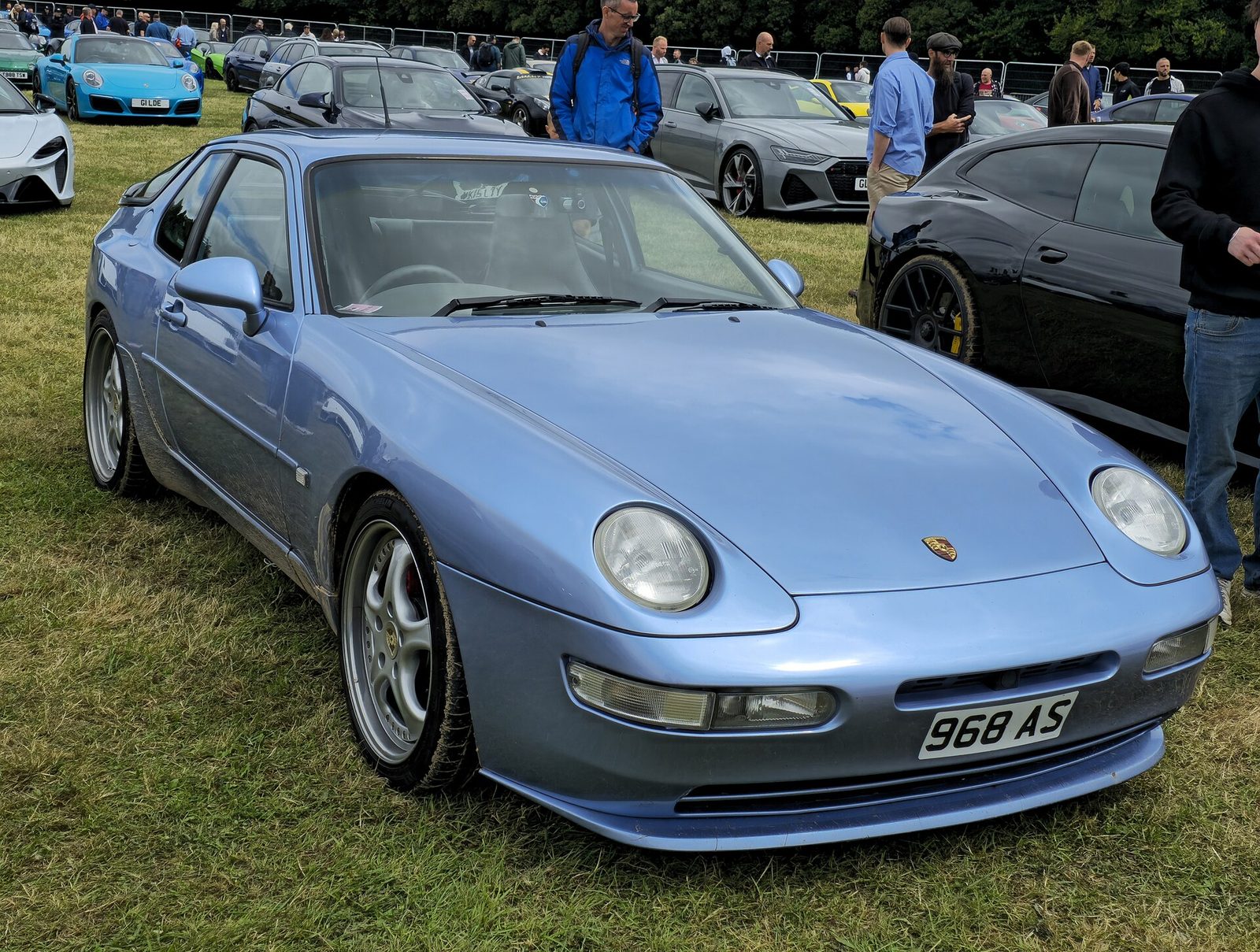
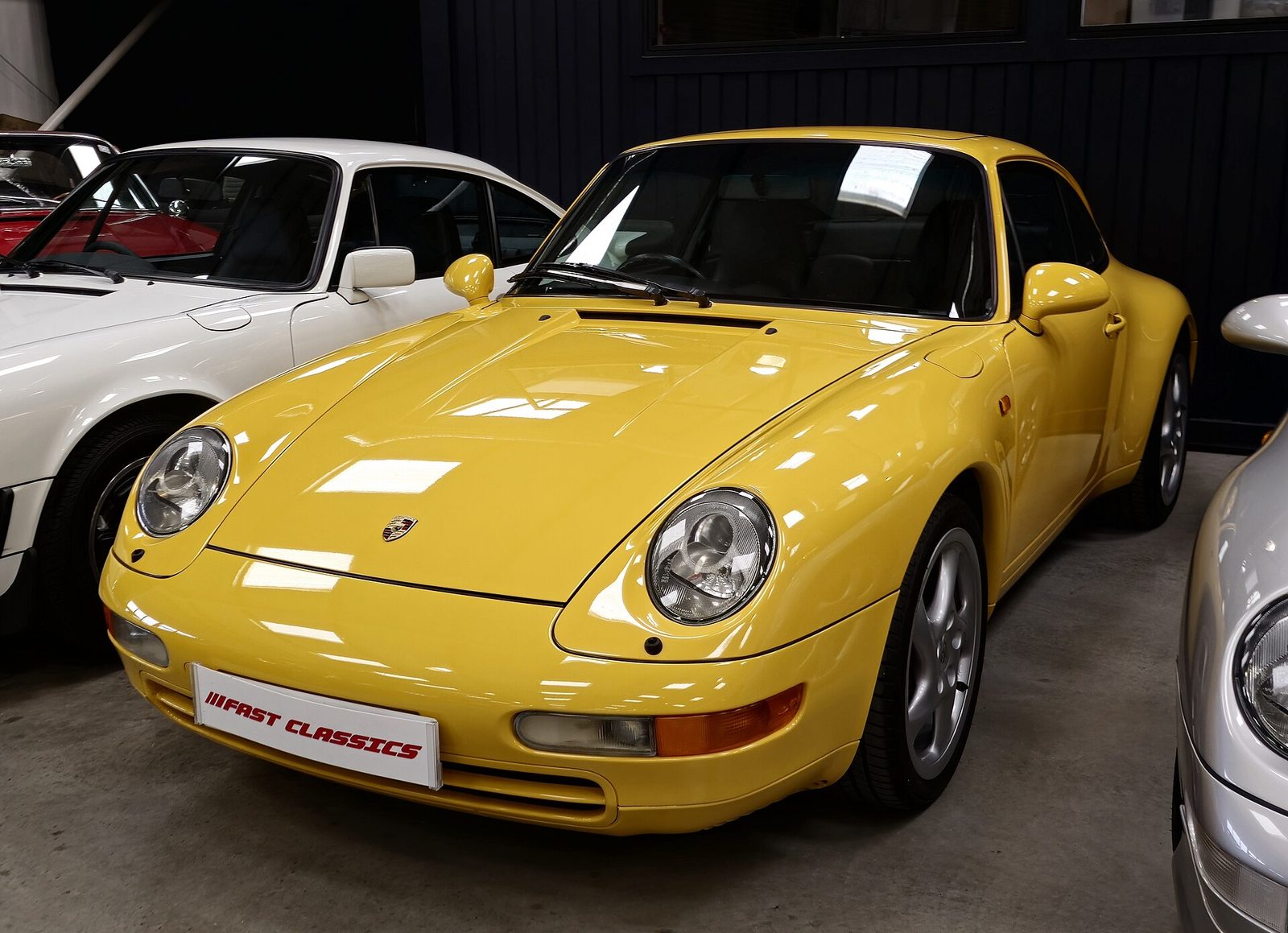
The 911 then spent three decades in air-cooled form: the long-hood cars, the 911 SC, the 911 Carrera 3.2 that replaced the SC in 1984, the 930 Turbo, the 964 and the 993. Meanwhile the company kept trying to replace it, and during the 1970s oil crisis executives also discussed a more fuel-efficient touring car. The 924 stemmed from a discontinued Volkswagen and Audi project, and the 928 was intended to potentially replace the 911 as the flagship. The 928 arrived in 1978 and won European Car of the Year, but the 911 stayed in production. The 944 family, including the 944 Turbo, and its successor the 968 carried the front-engine idea into the 1990s.
A near miss and the water-cooled turn
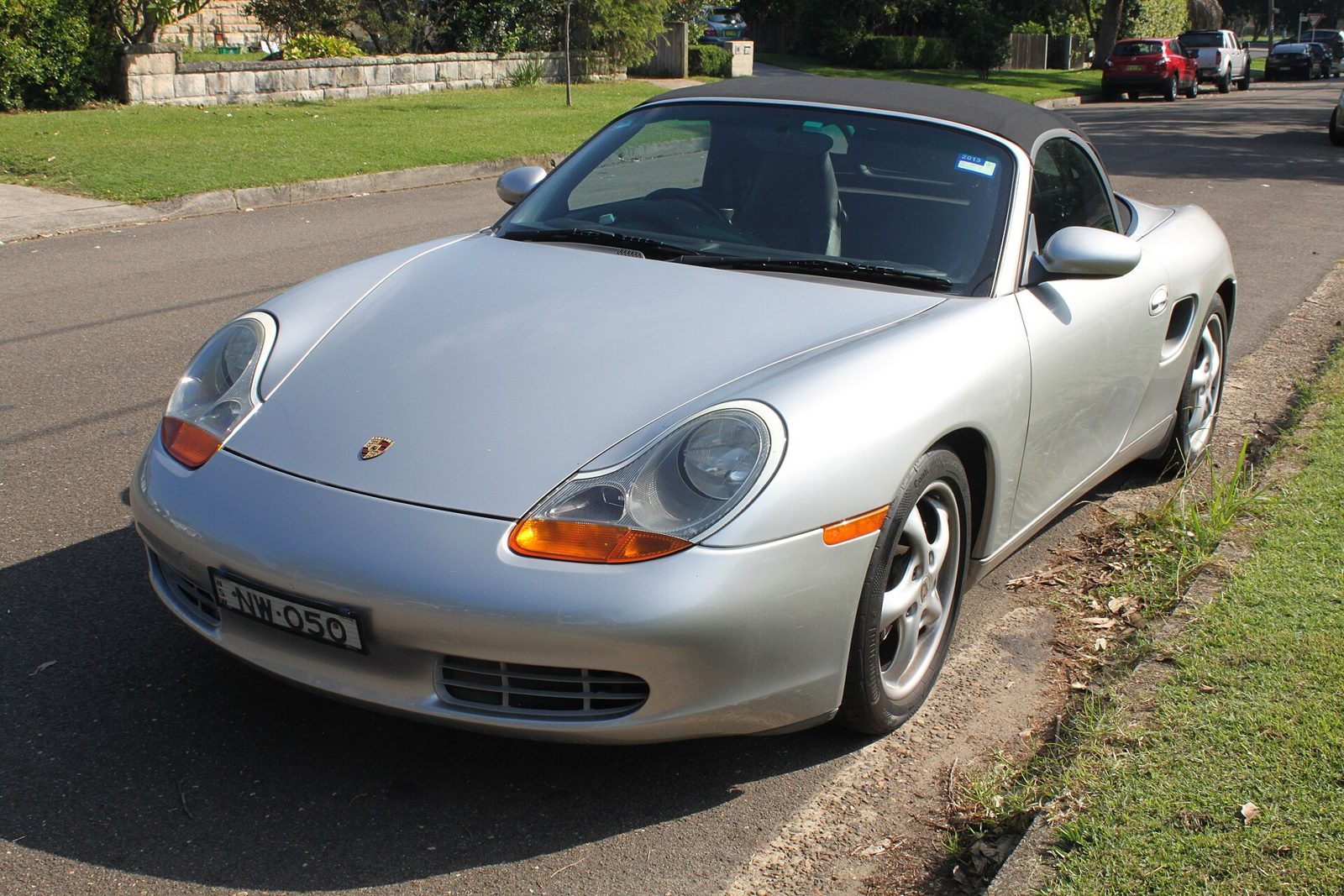
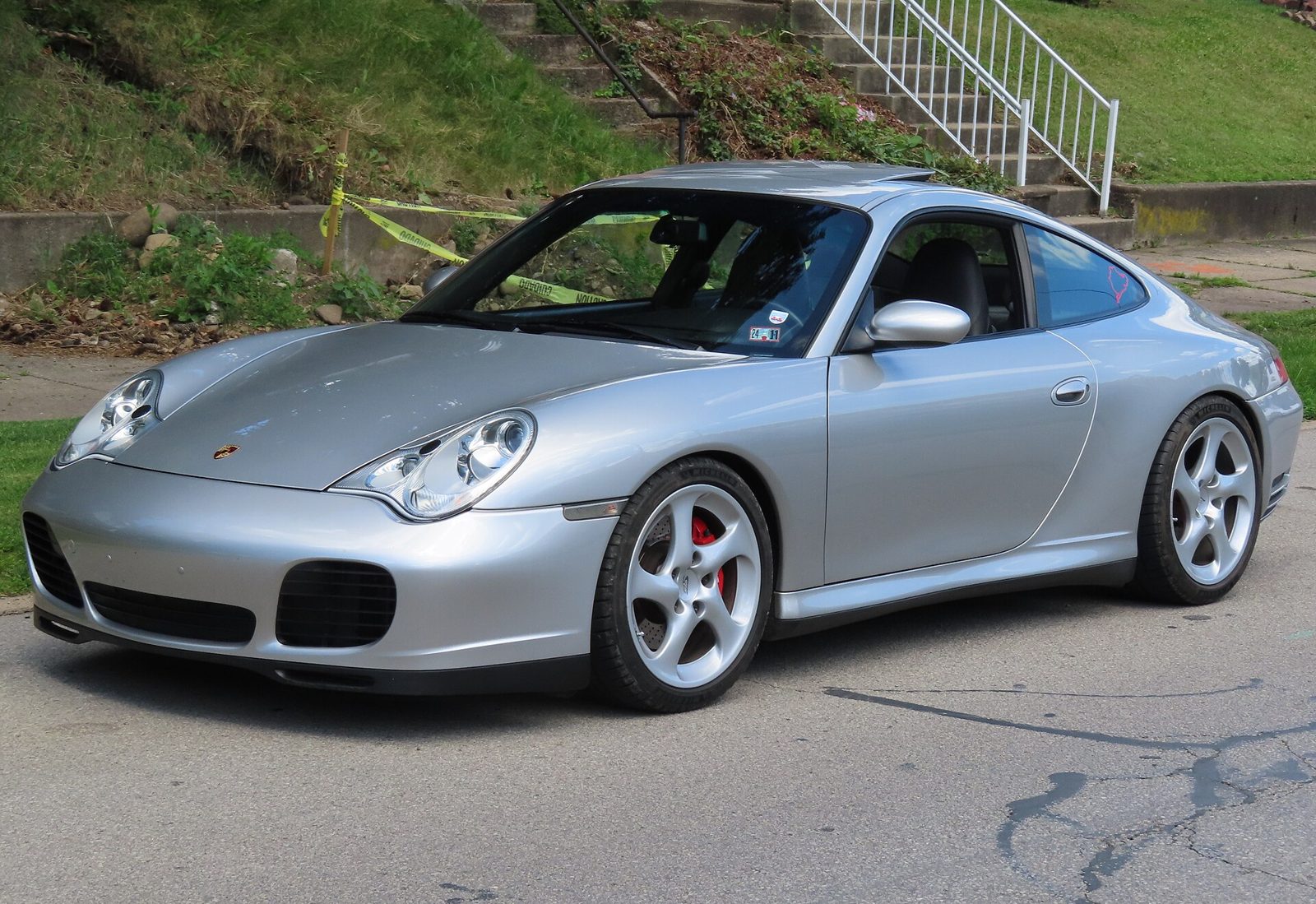
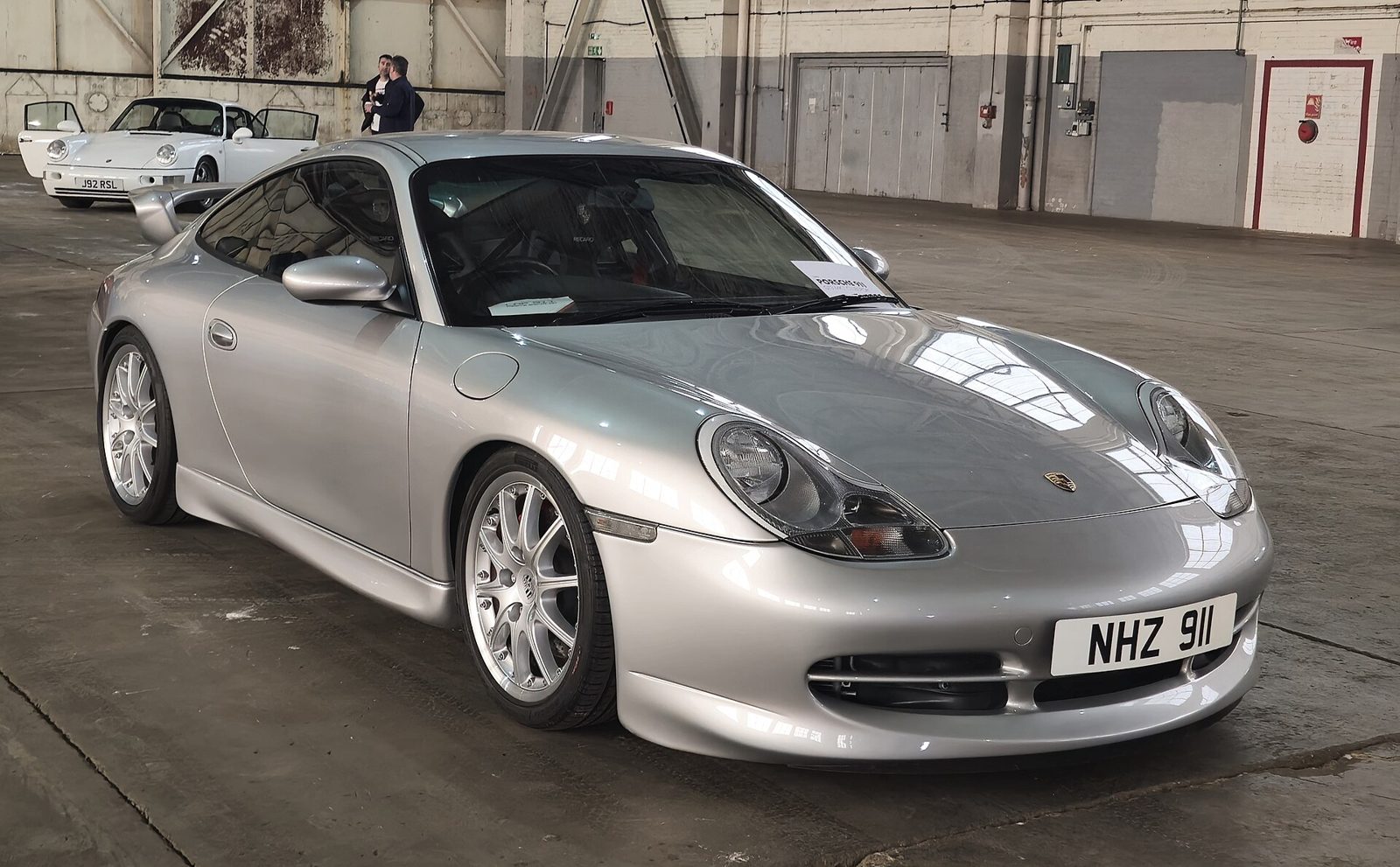
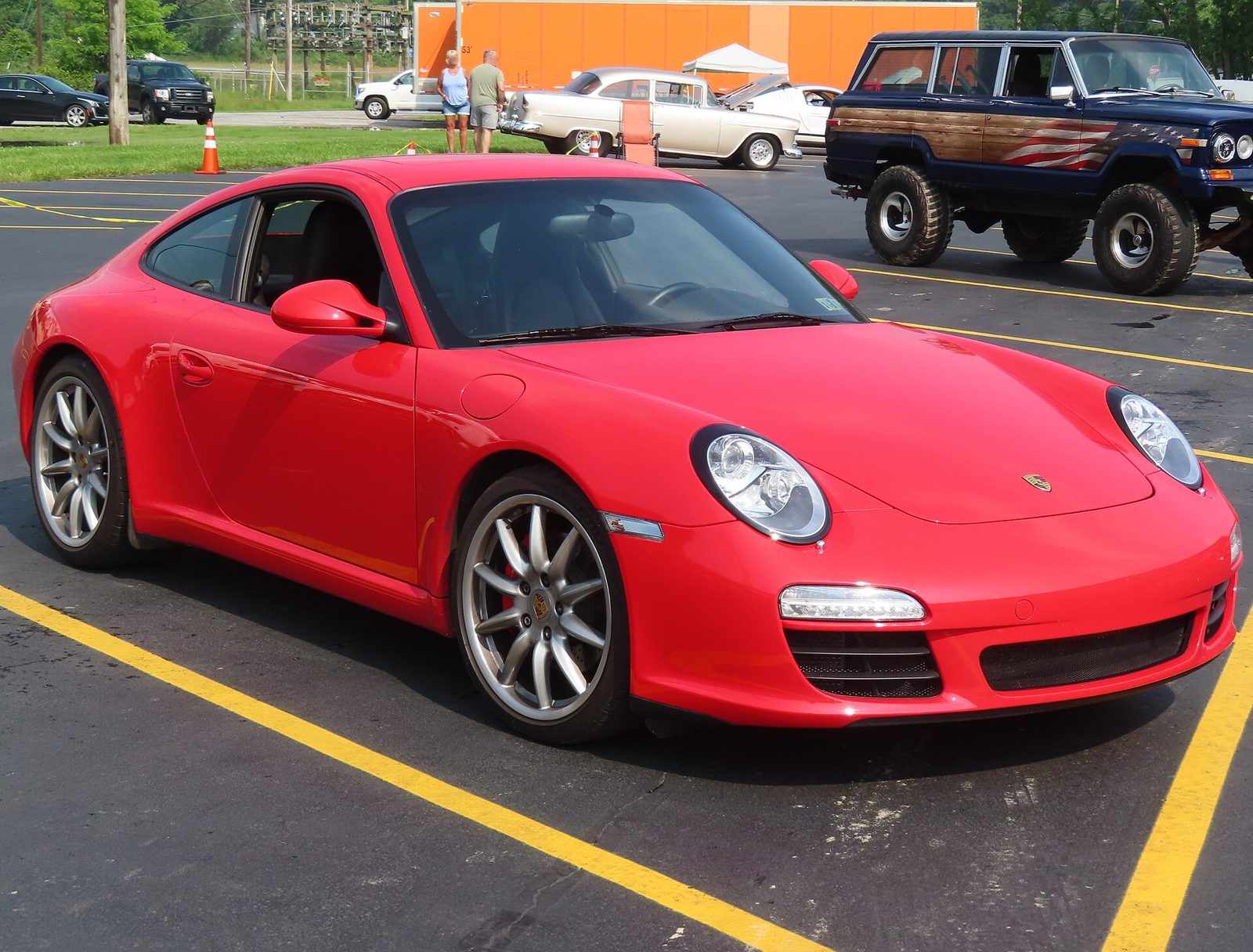
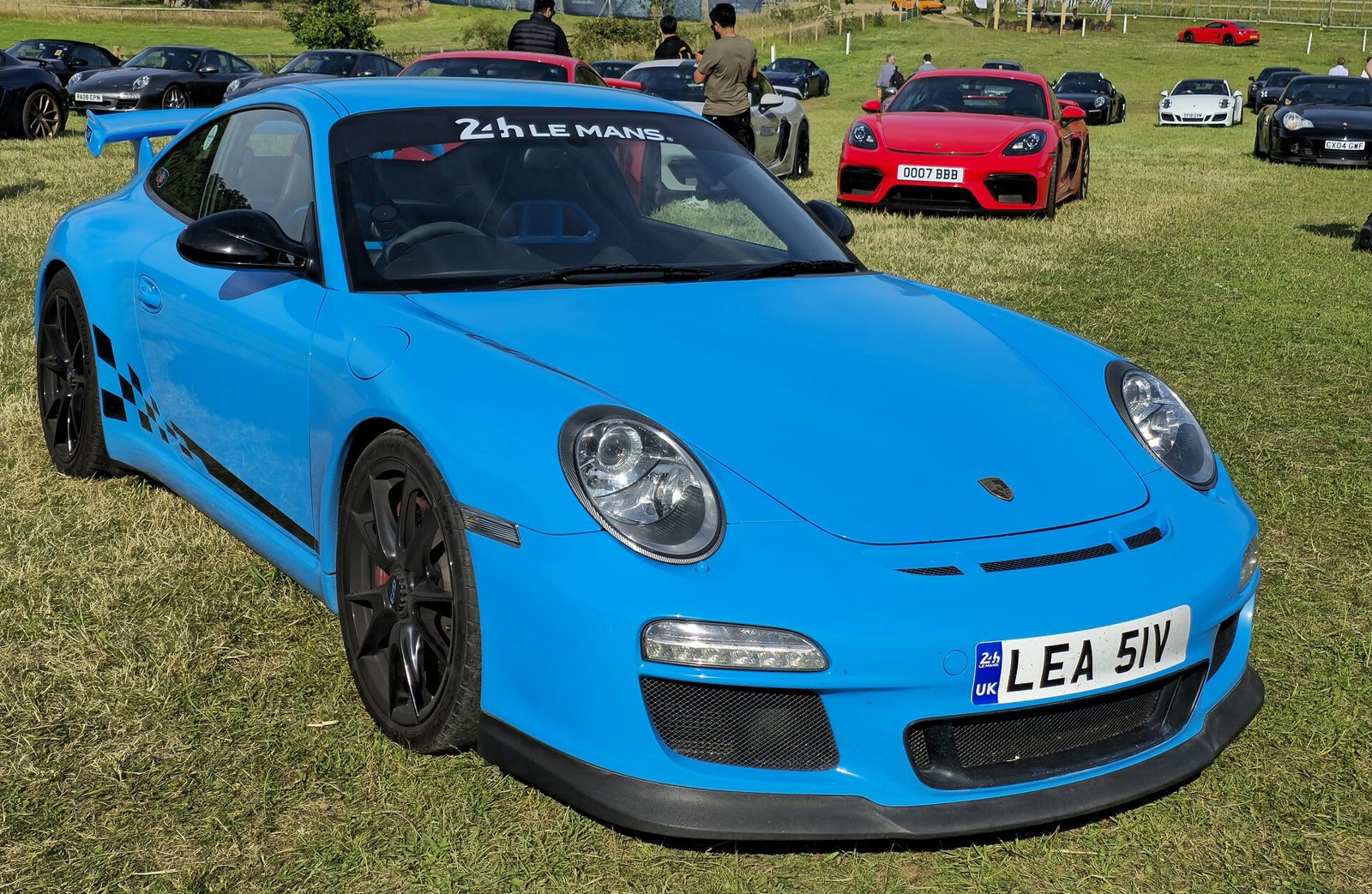
By the early 1990s the line-up was dated, the newest design was the 1978 928, and sales were falling. The Boxster 986, which began production in 1996 in the former 928 facility, is credited with turning that around. It shared parts with the water-cooled 911, the 996, which ended a 34-year run of air-cooled engines. The 996 GT3, the 997 and the 997 GT3 followed.
Ownership and now
Porsche took a stake of 18.65 percent in Volkswagen in late 2005 and kept building it until Porsche SE held 50.76 percent in January 2009. The takeover ran the other way: Wendelin Wiedeking, CEO since 1993, was replaced by Michael Macht in July 2009, and Volkswagen took full ownership of Porsche AG on August 1, 2012. Since September 29, 2022, preferred shares of the operating company have traded in Frankfurt, while the holding company Porsche SE is majority owned by the Porsche-Piëch family.