A racing team first, a car company second
Ferrari exists because Enzo Ferrari wanted to race, and racing needed a business behind it. He founded Scuderia Ferrari in 1929 to enter amateur drivers in various races, and before long it became the acting racing team of Alfa Romeo. In 1939 he was dismissed by Alfa, and in October of that year he founded Auto Avio Costruzioni, headquartered in the facilities of the old Scuderia Ferrari. The company could not use the Ferrari name on a car for four years because of a noncompete agreement with Alfa Romeo. So the firm that built the first Ferrari was, for its first stretch, not allowed to put Ferrari on the car.
The first car to bear the name was the 125 S, which debuted on May 11, 1947 at the Piacenza circuit. Only two were made. It carried a Colombo V12, a layout shared with most Ferrari cars of the following decades, and it claimed the company's first victory at the Grand Prix of Rome.
Racing pays for the road cars
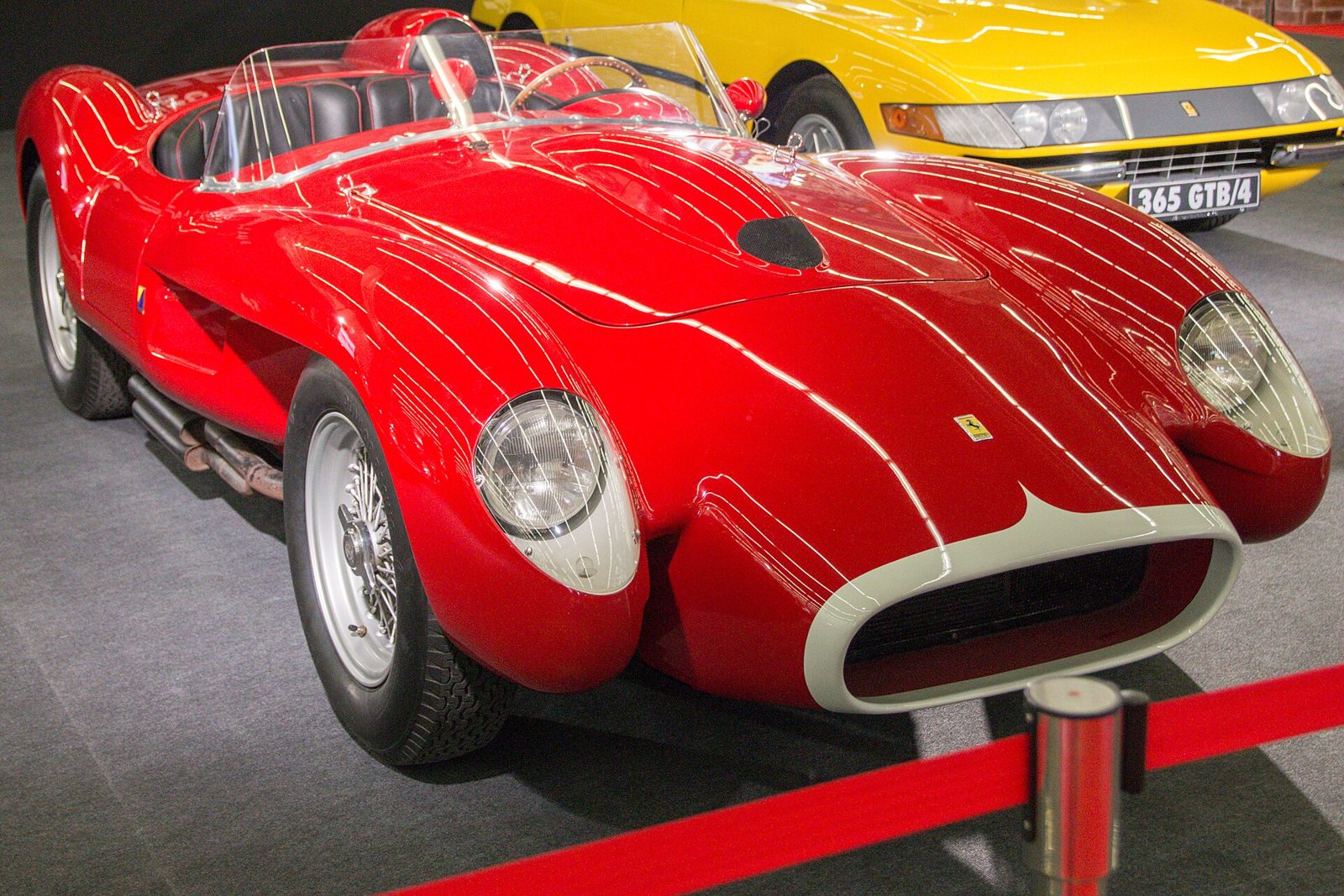
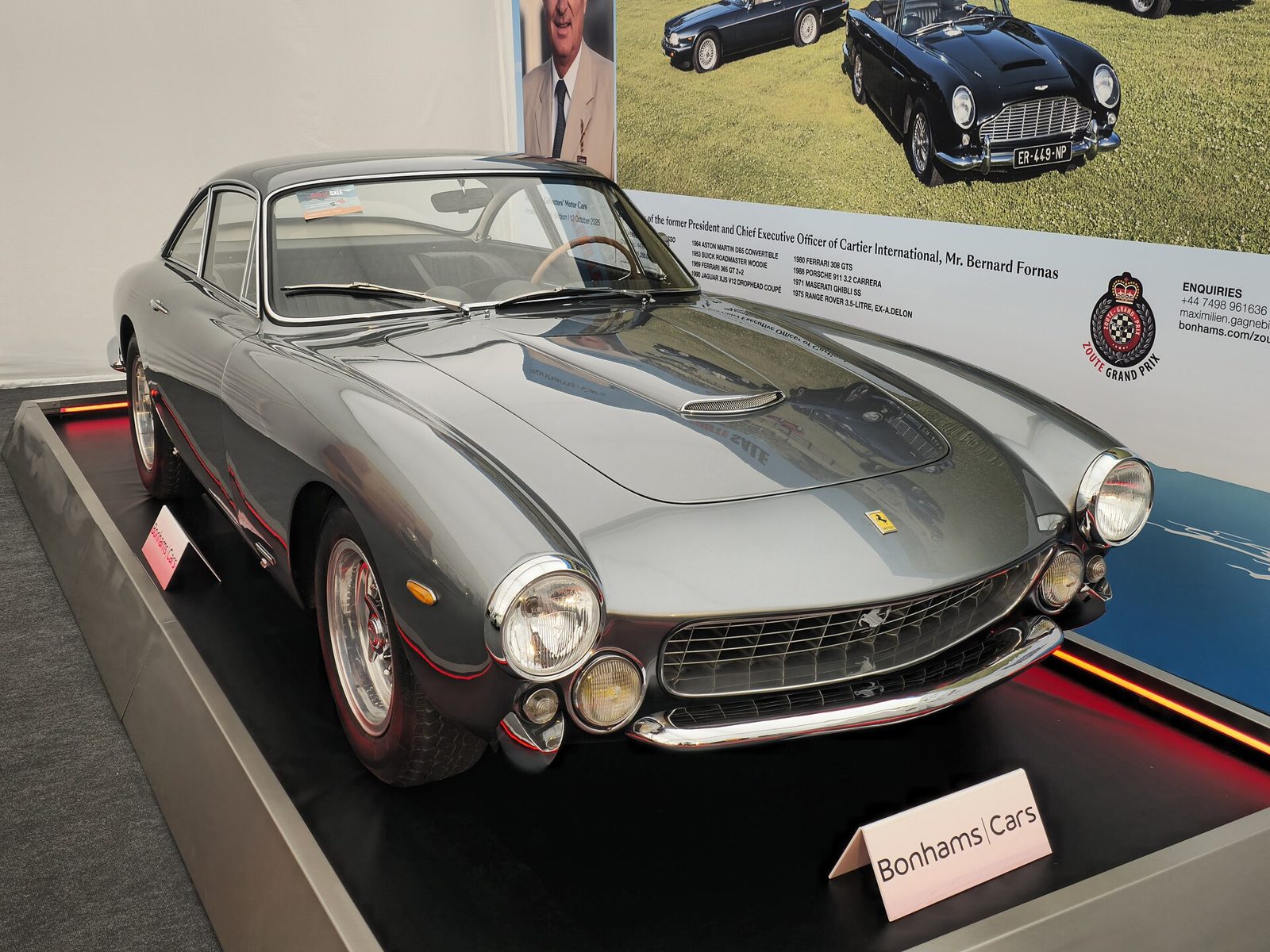
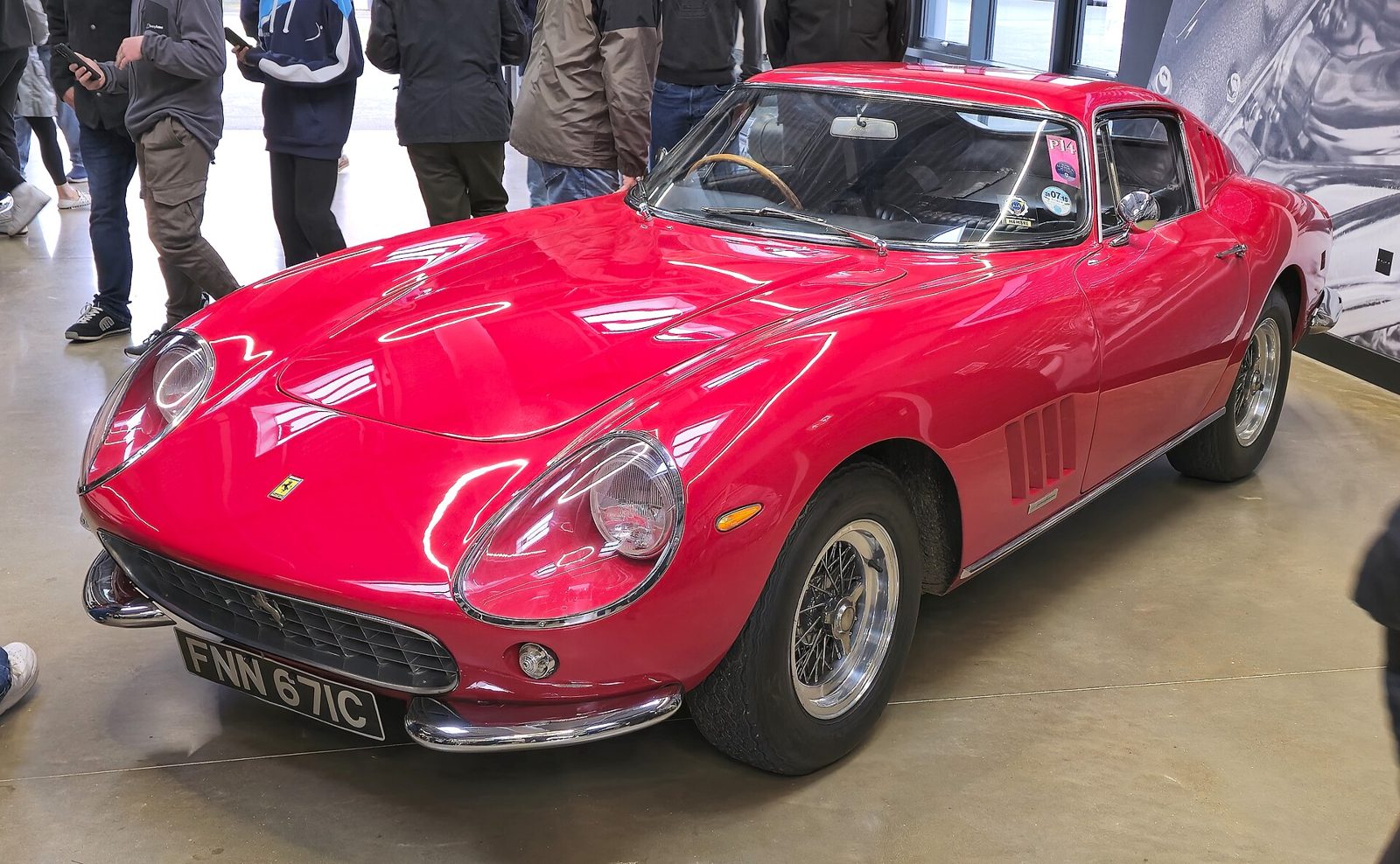
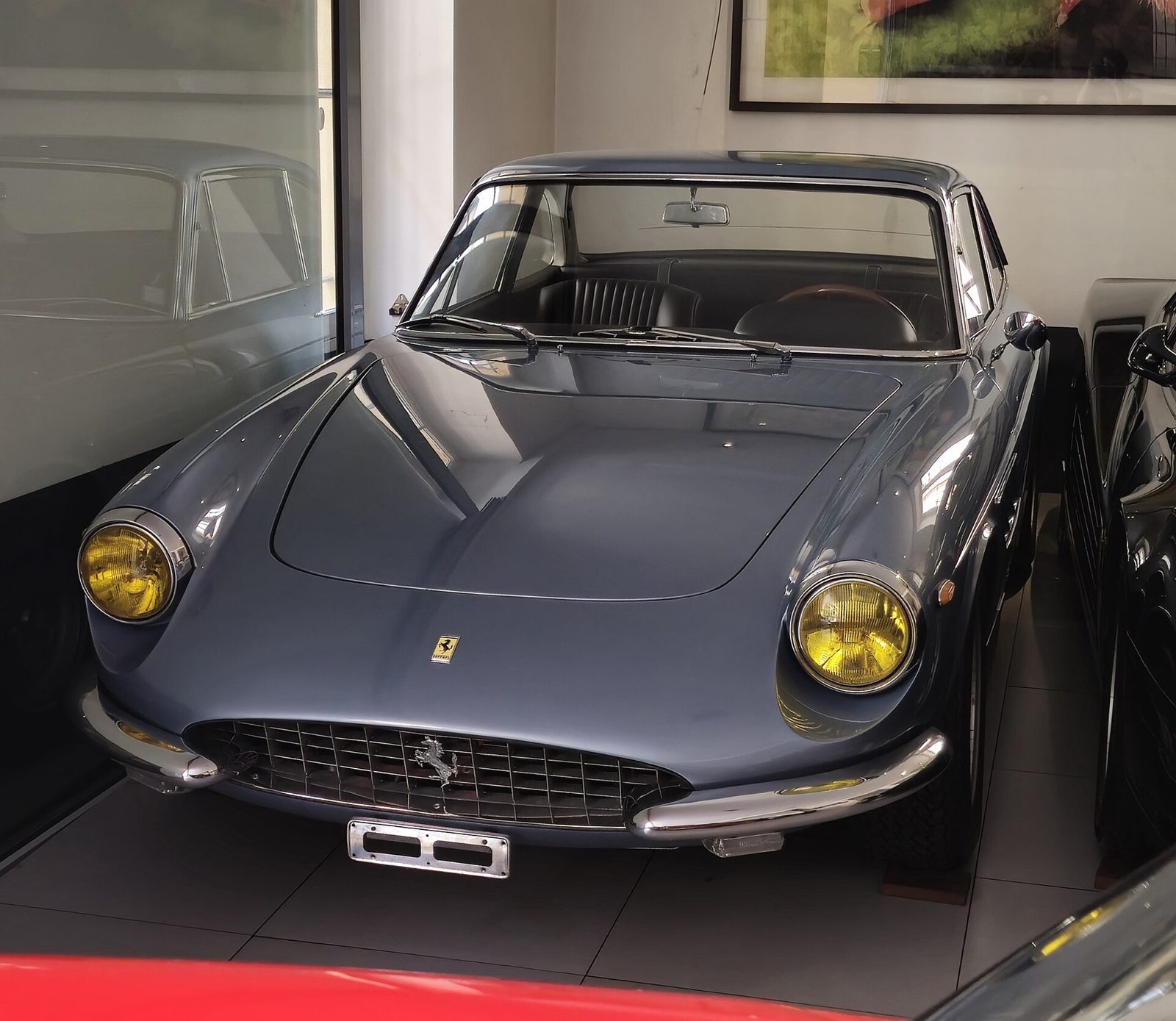
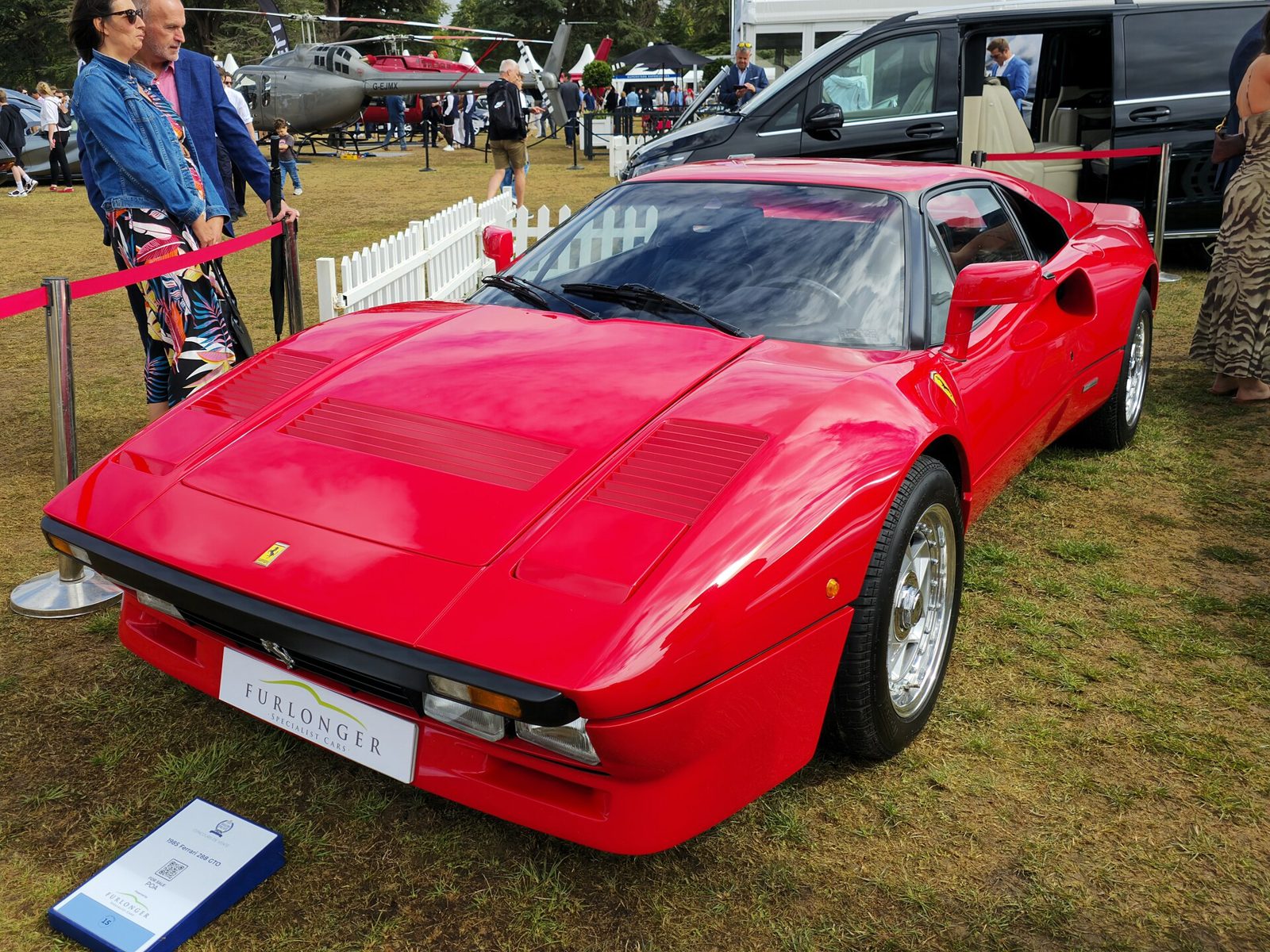
The pattern was set early and held for decades: win on track, sell the lesson to customers. Luigi Chinetti drove the first Ferrari to win the 24 Hours of Le Mans, in 1949, which made him a three-time winner of the race. By the early 1960s Ferrari had won Le Mans six years running, and the 250 GT Berlinetta SWB was homologated in 1960 and stretched through repeated extensions to cover the 250 GTO, of which just 36 were built between 1962 and 1964. The road cars that collectors chase from this period, the 250 GT Lusso, the 250 Testa Rossa and the 275 GTB among them, are the cars the racing program justified.
The first big threat to this arrangement was money. In 1963, Ford was told that Enzo Ferrari was interested in selling. The deal collapsed when Ferrari learned he would not be allowed to race at Indianapolis, and Henry Ford II told his racing division to build a Ferrari-beater. The result was the GT40, which broke Ferrari's Le Mans streak in 1966.
Fiat and the Dino
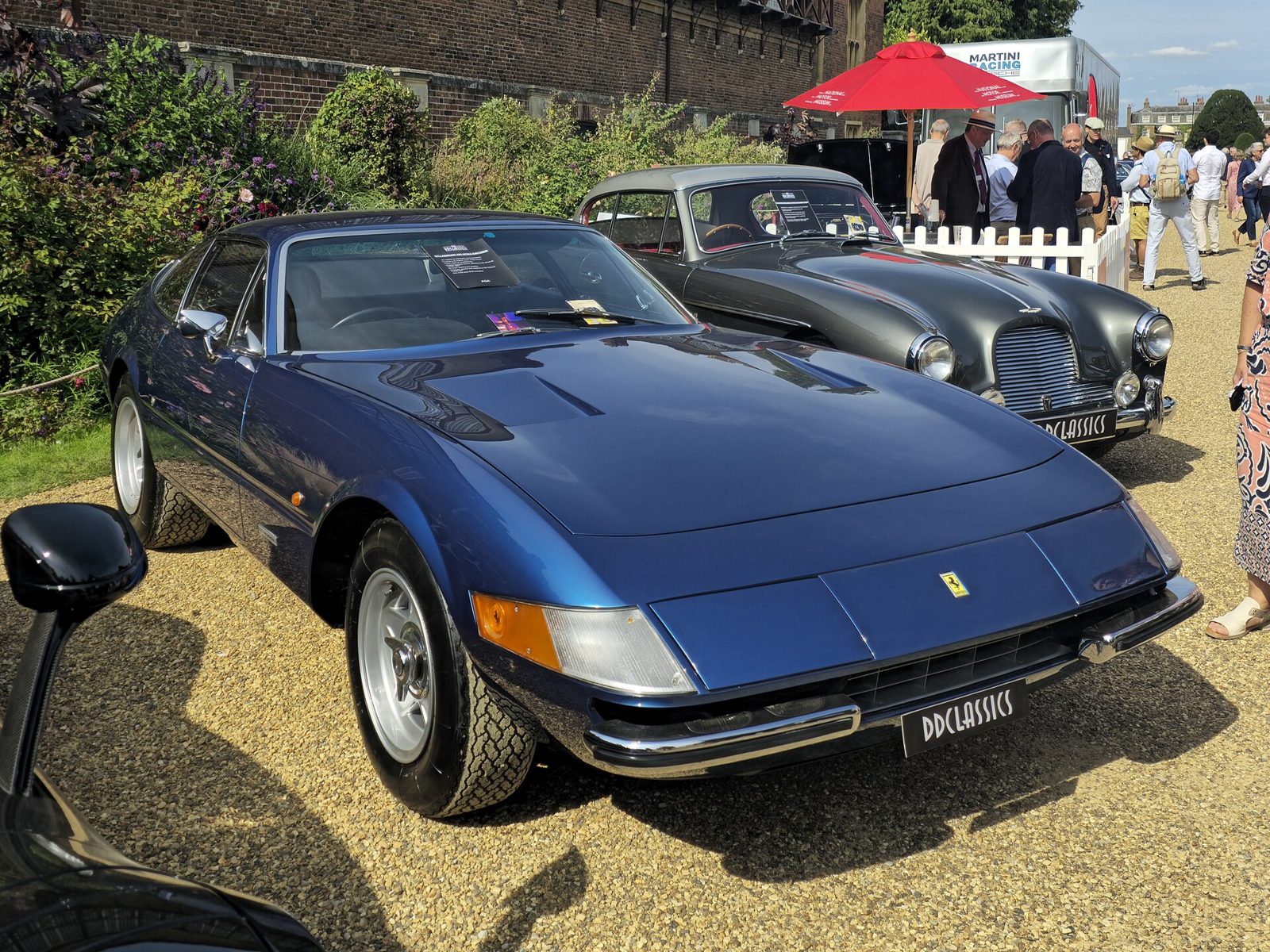
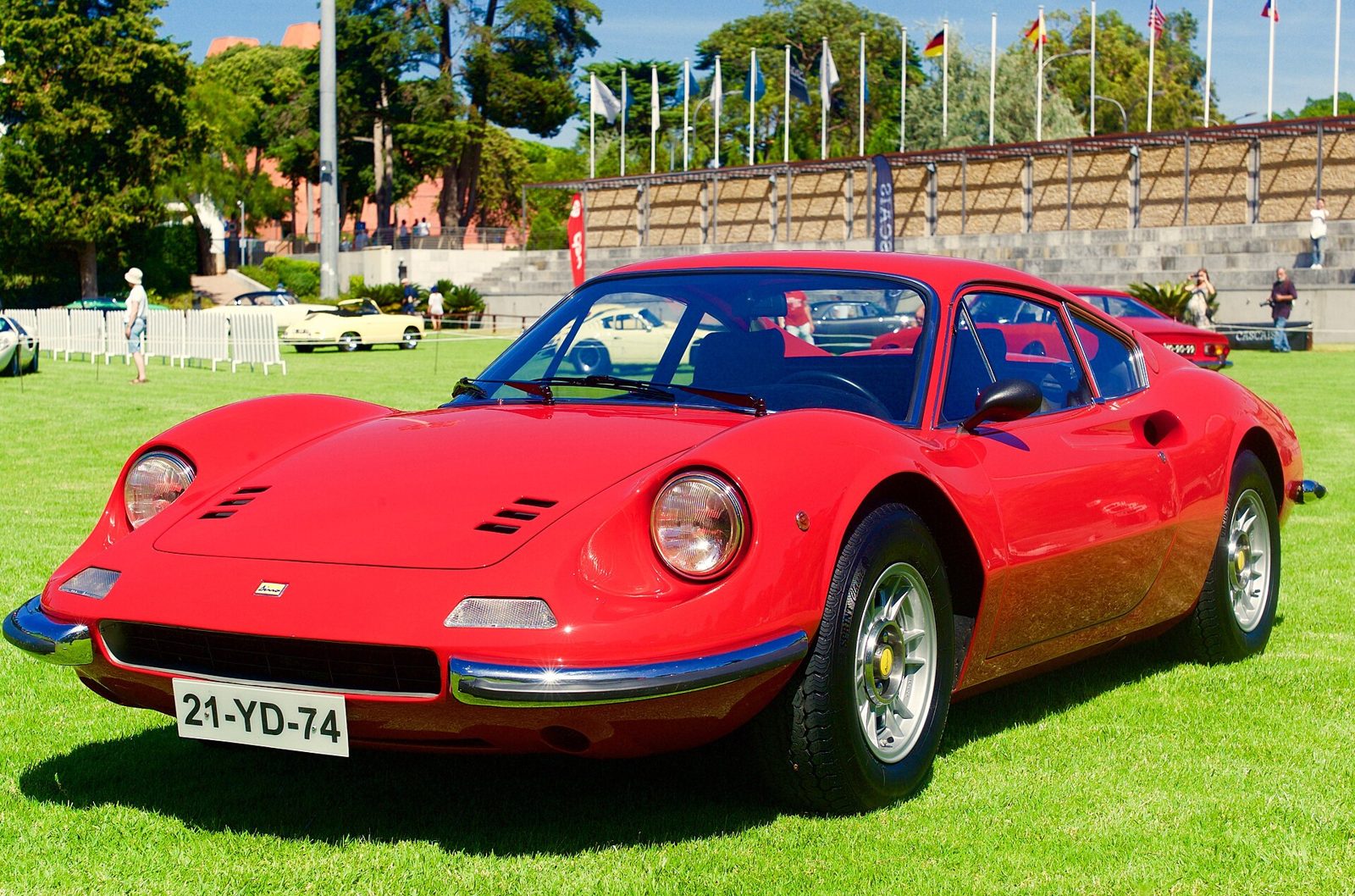
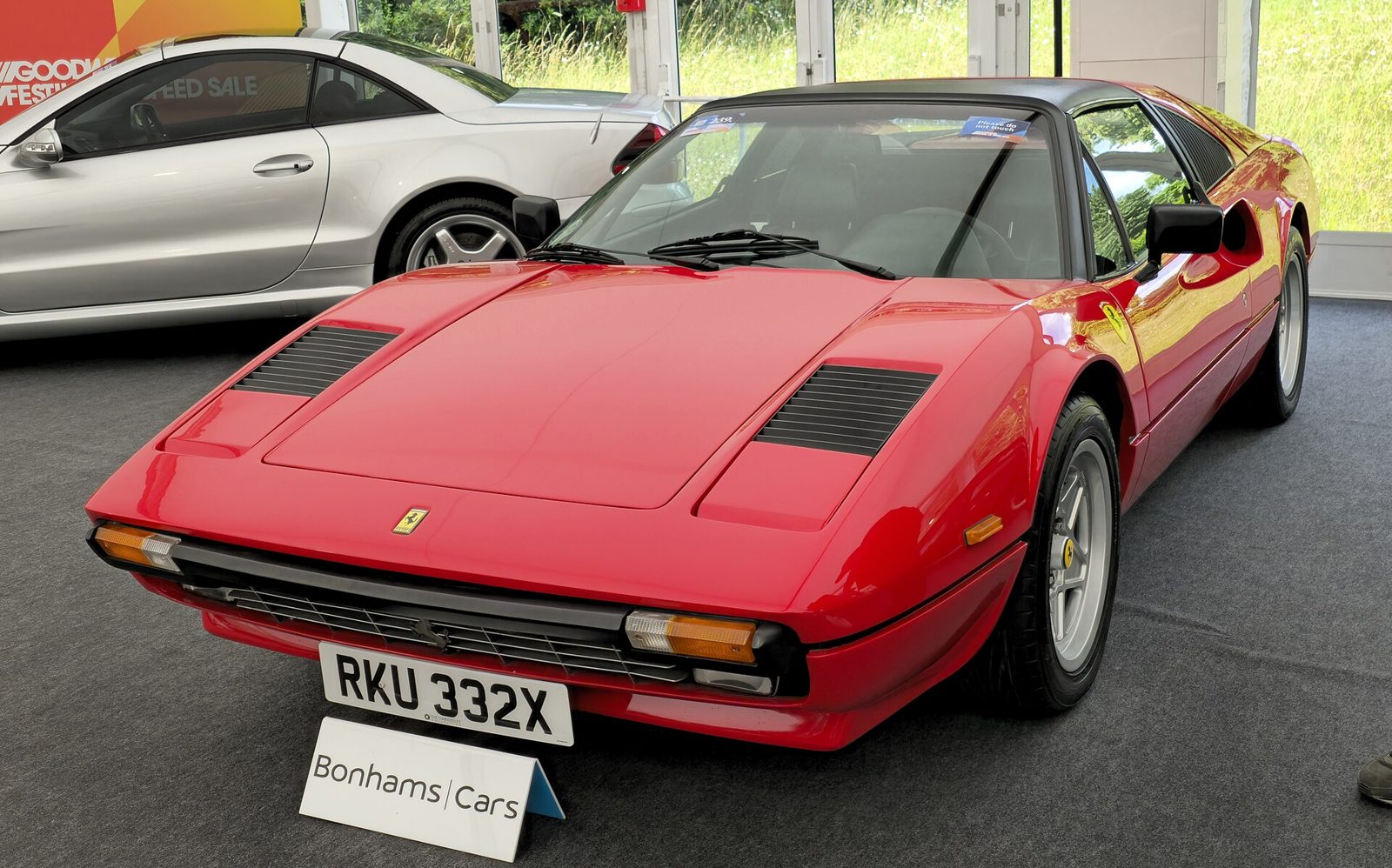
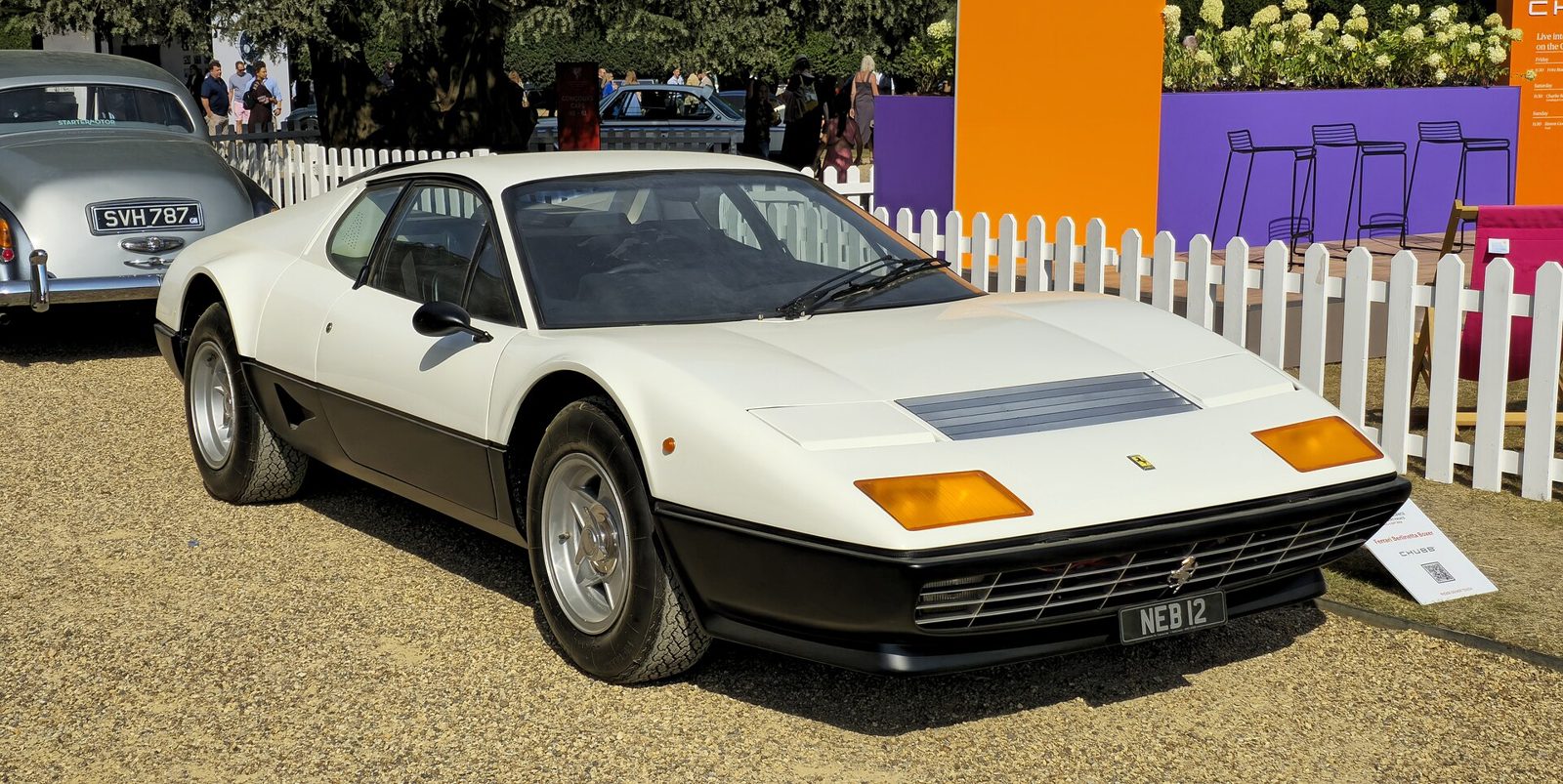
The money problem was solved a different way. Fiat bought half of Ferrari in 1969, while Enzo Ferrari kept a share that his son Piero now owns. The Dino V6, named for Enzo's late son Alfredo, had already put a smaller, cheaper Ferrari-engined car on the road, and it did not wear the Ferrari badge, which stayed on the V12 and flat-12 cars until 1976. The 365 GTB/4 Daytona, the 512 BB and the Dino 246 belong to this era, along with the 308 GTB, which arrived in 1975 as a replacement for the Dino 246 and later became familiar to Americans as the car in Magnum, P.I.
The cars America mostly did not get
The 1970s were hard on Ferrari in the United States, and the reason was regulation. The factory did not export some of its cars here because of the difficulty of making them comply with US safety and emission standards. The Berlinetta Boxer was never sold in America. Details of that story belong to the in America section below. What matters here is that for roughly a decade, some of the most desirable Ferraris reached American owners by a side door.
The last Enzo cars and the modern company
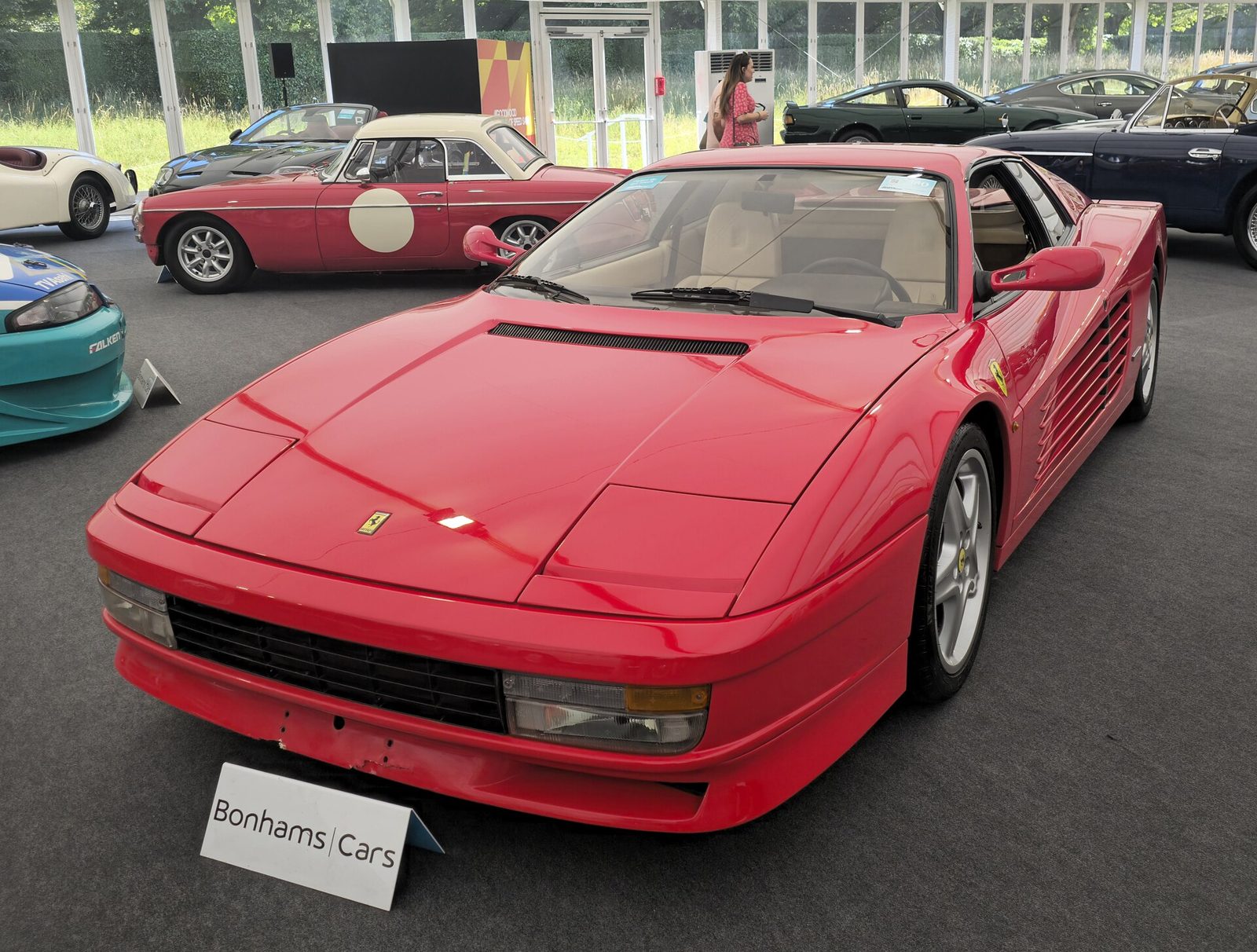
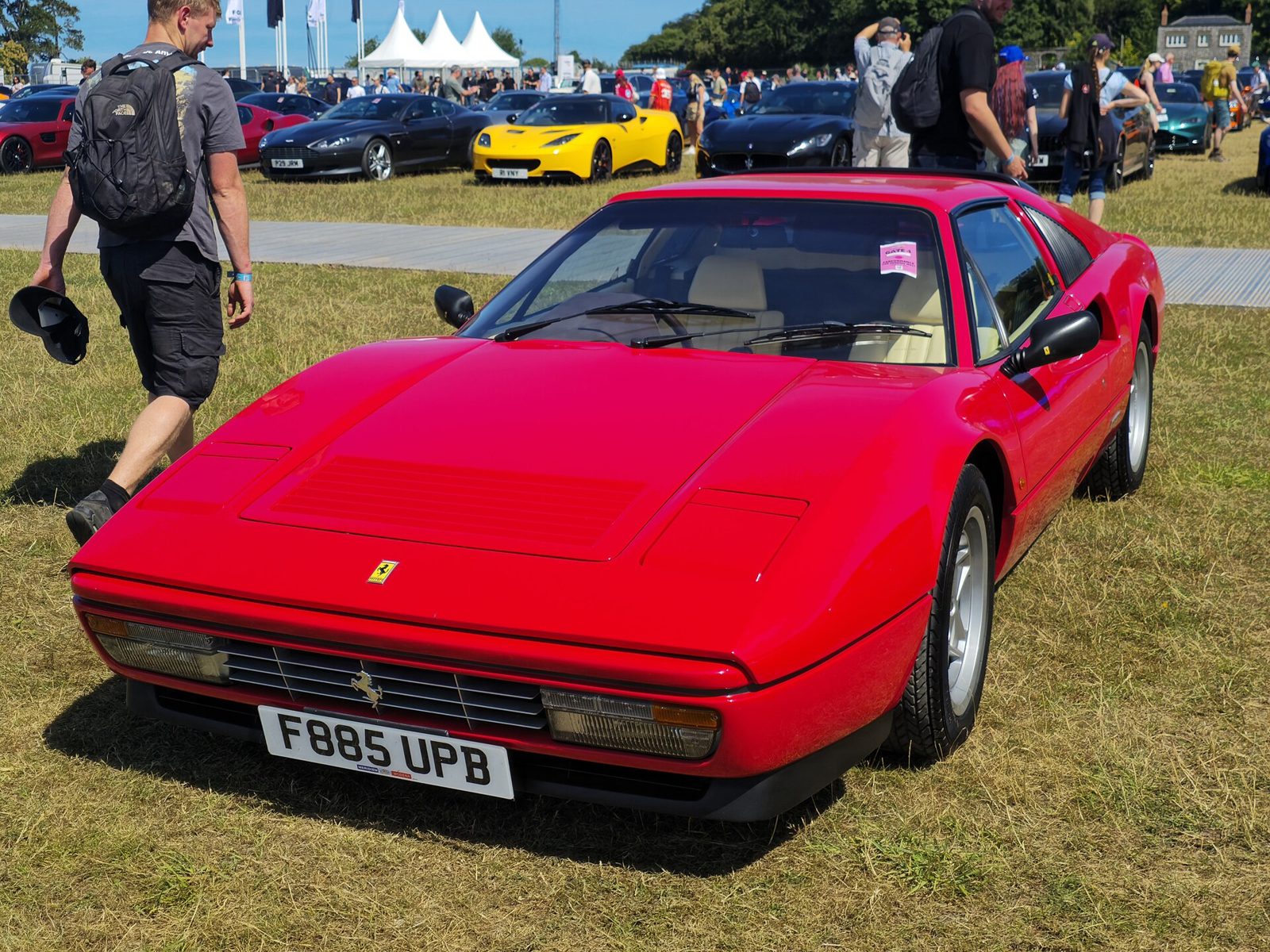
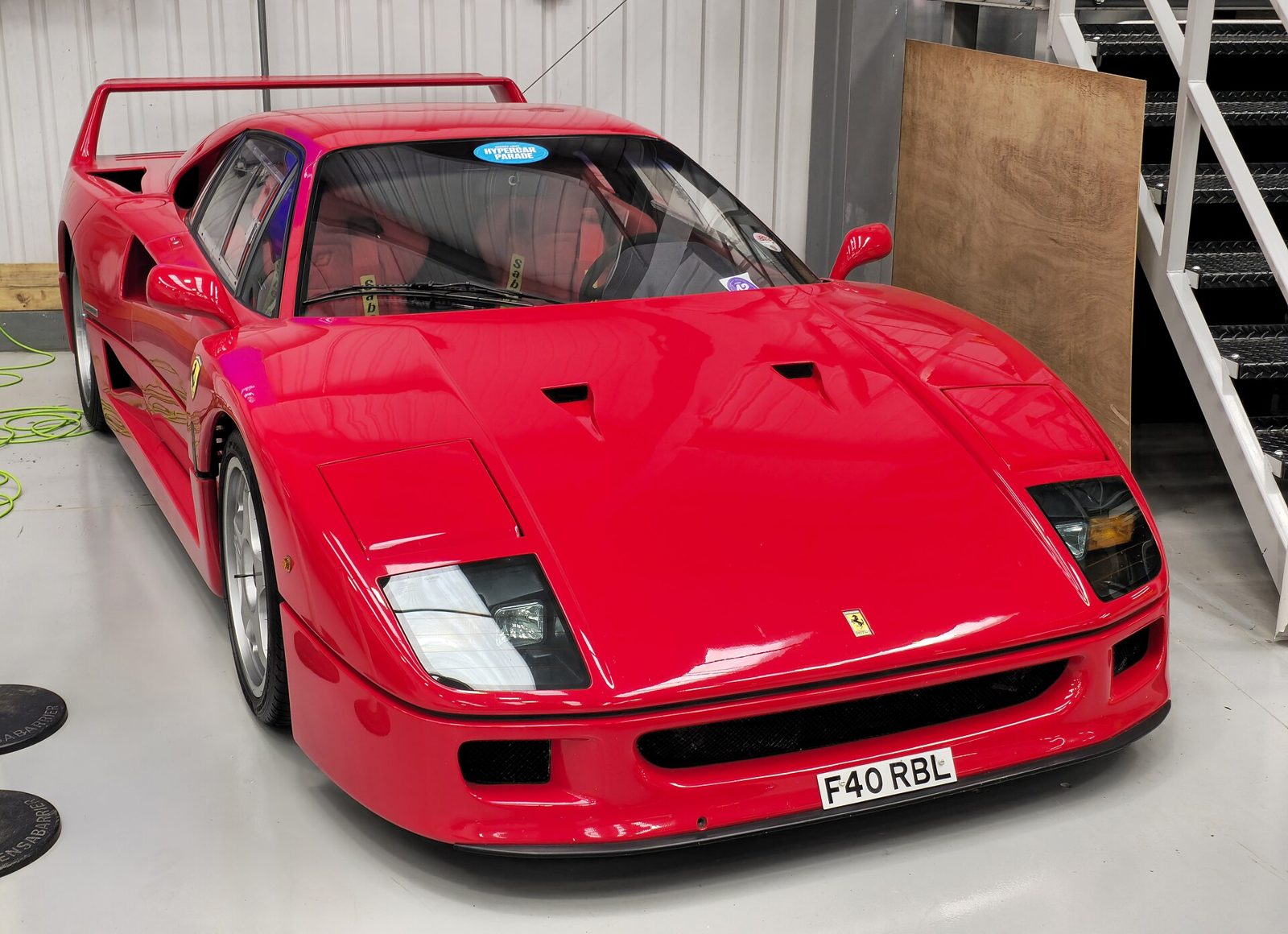
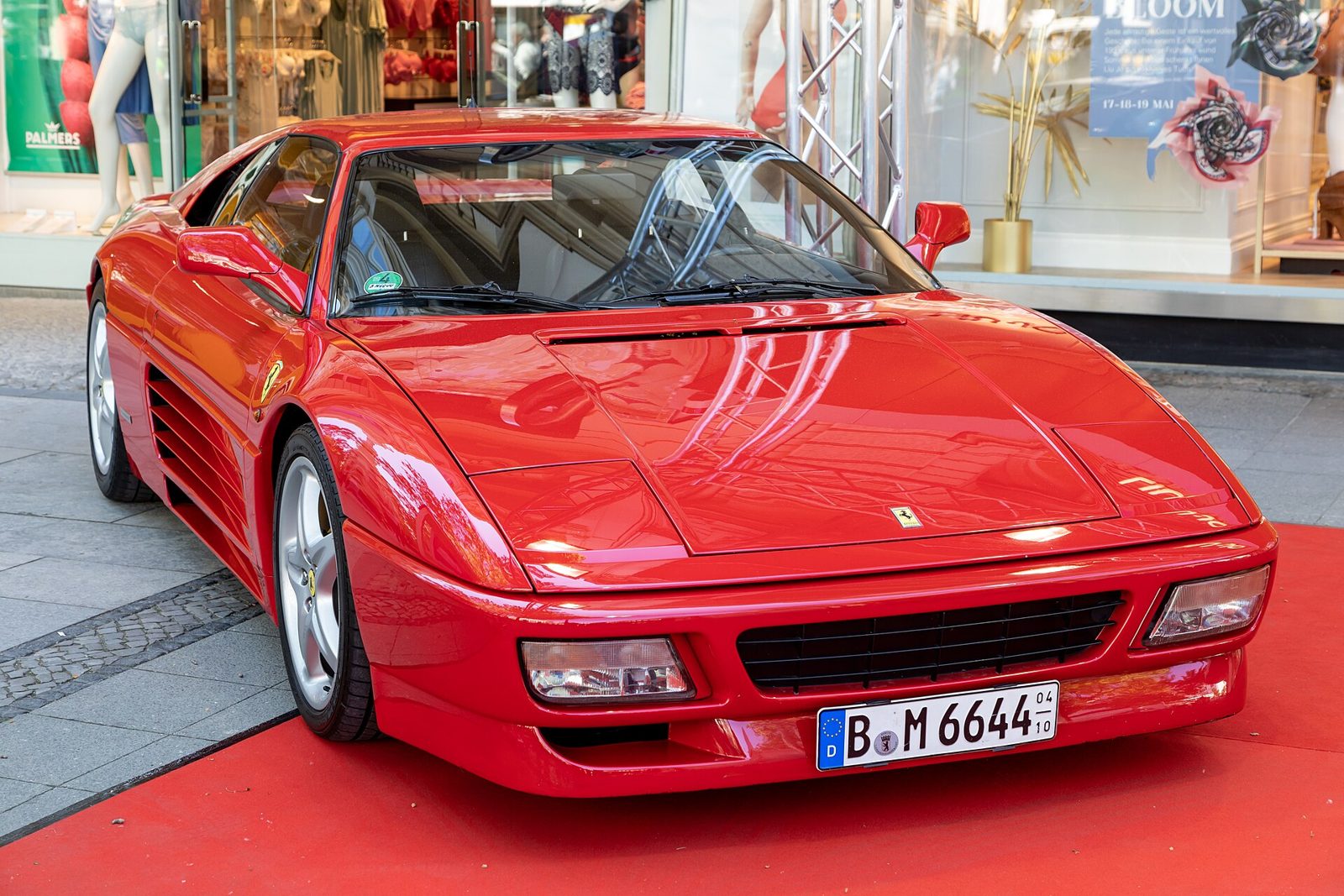
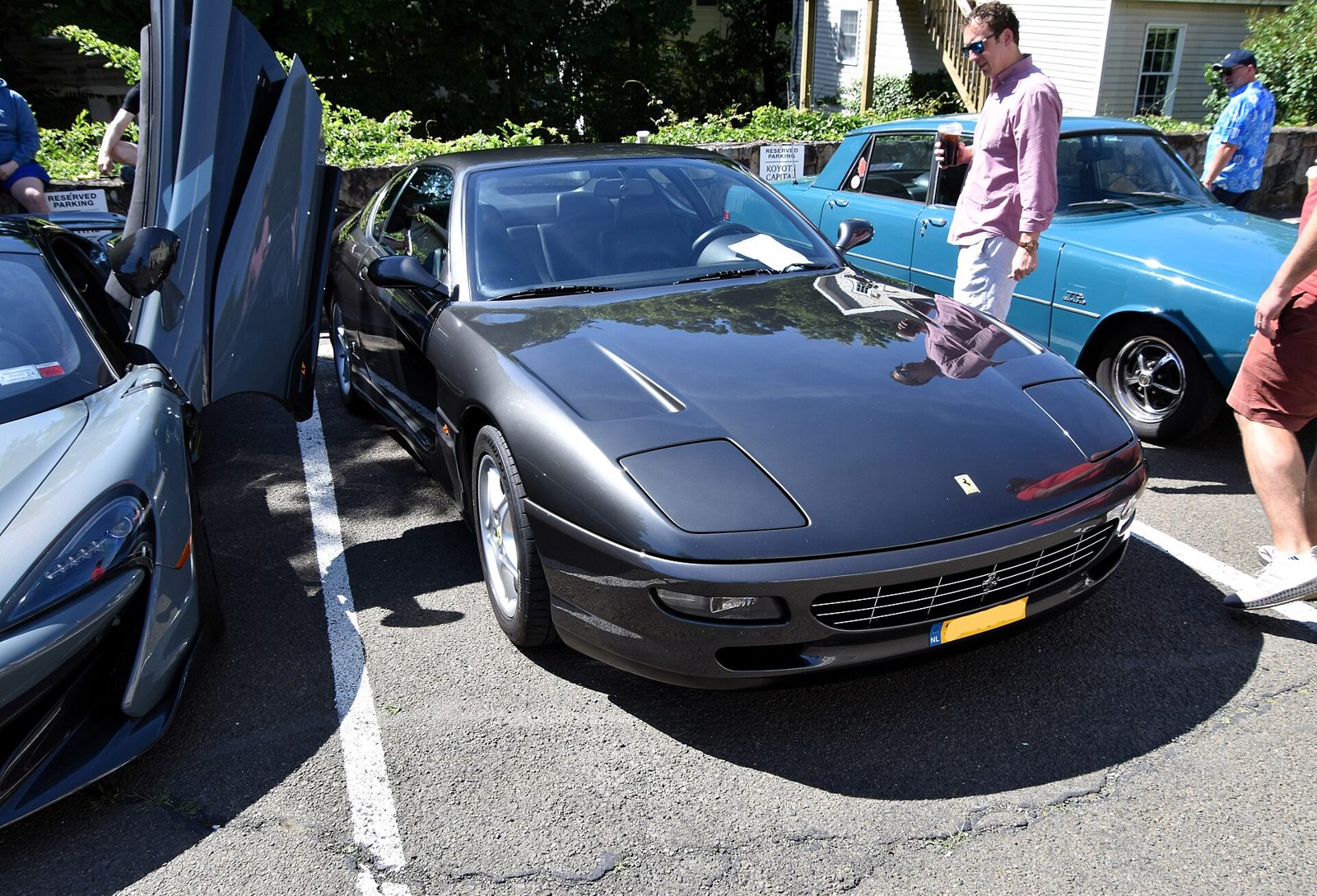
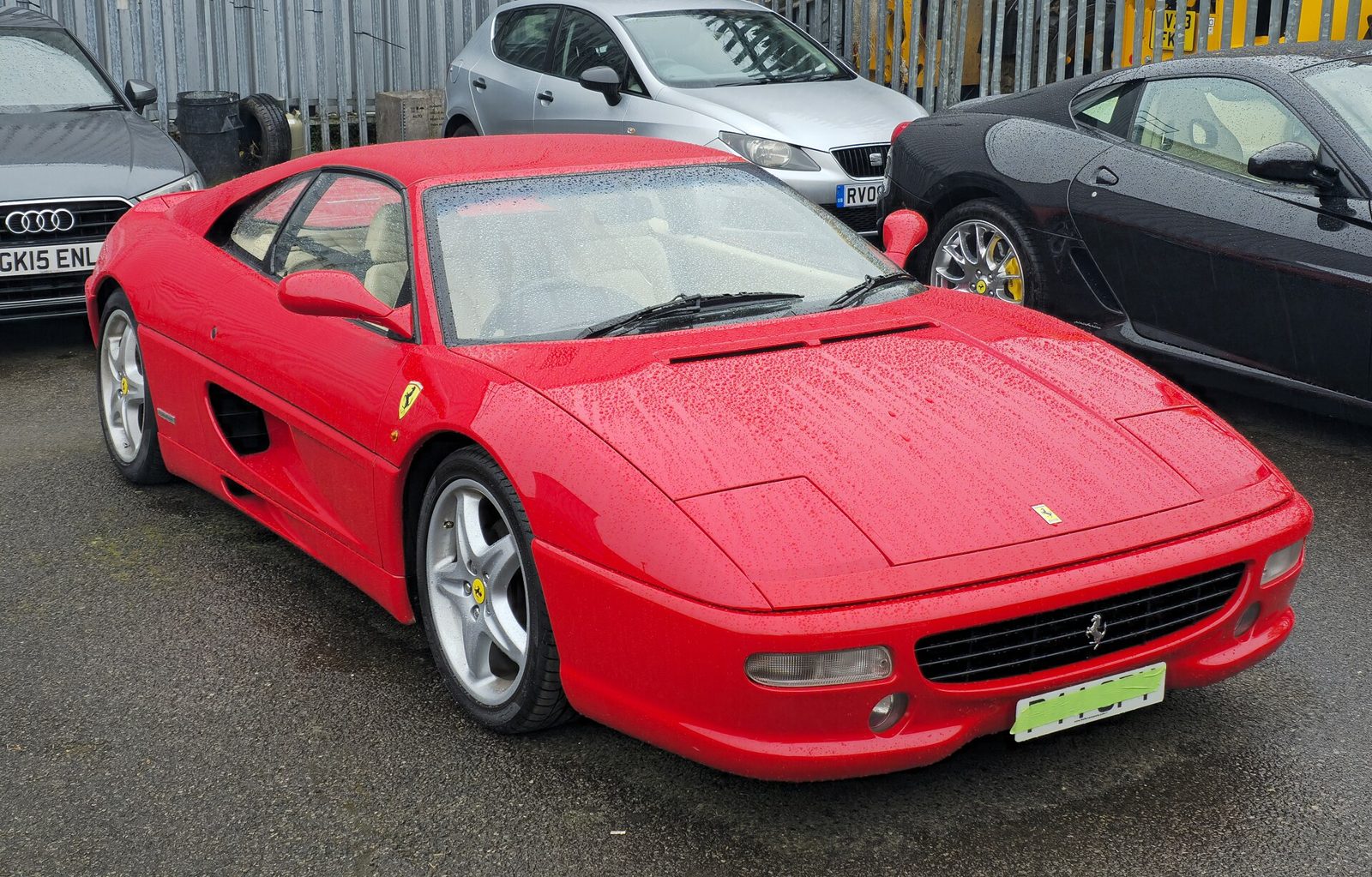
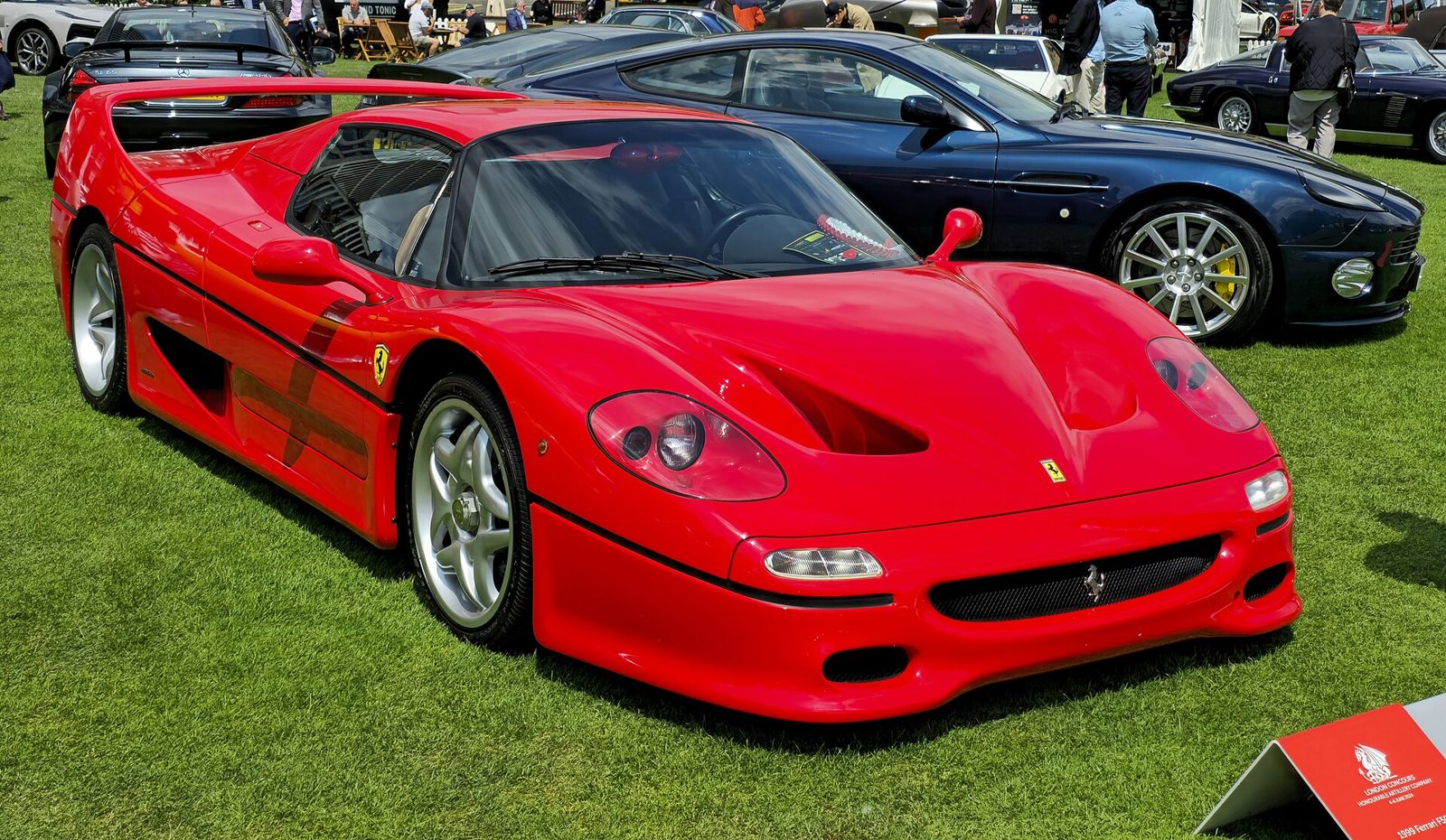
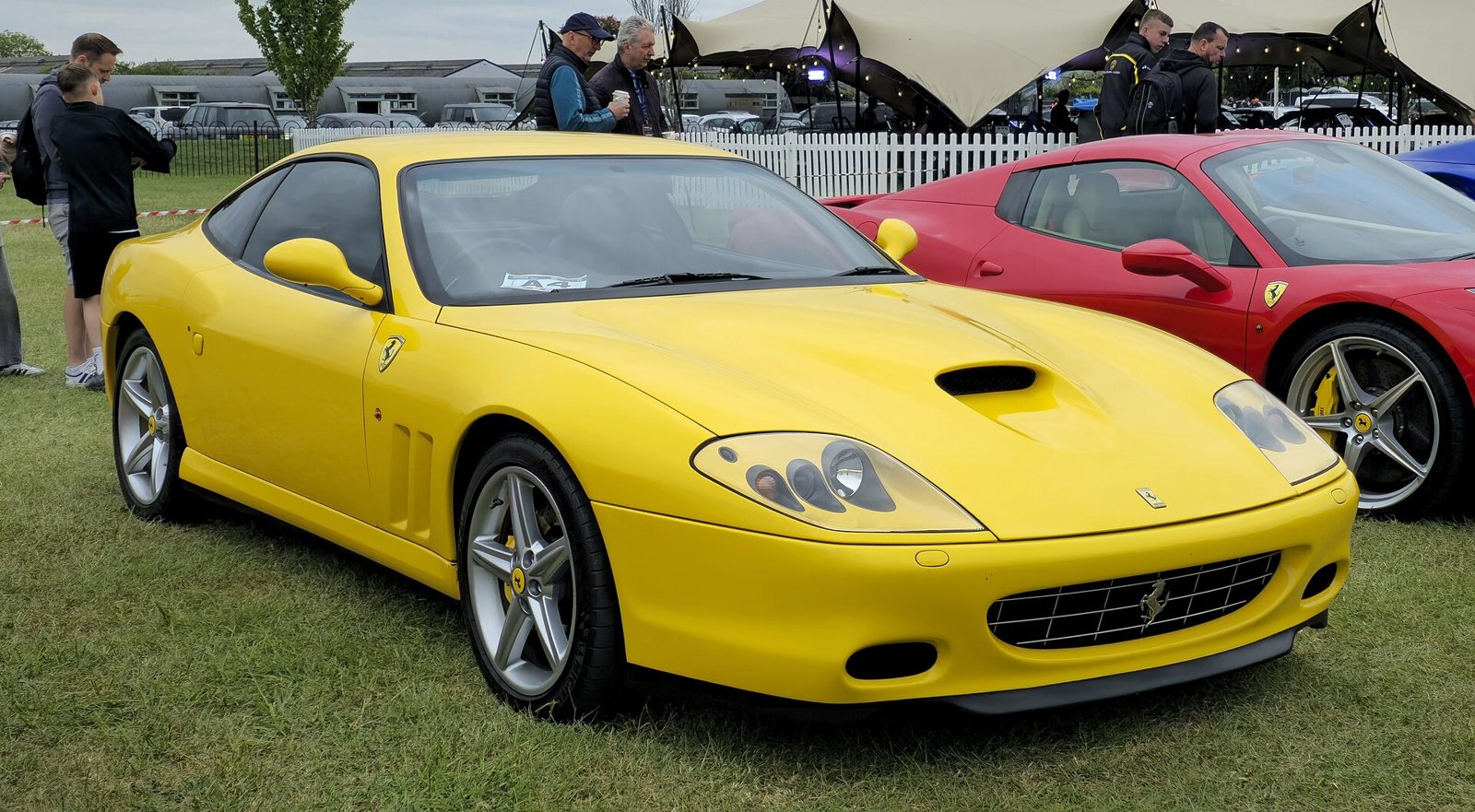
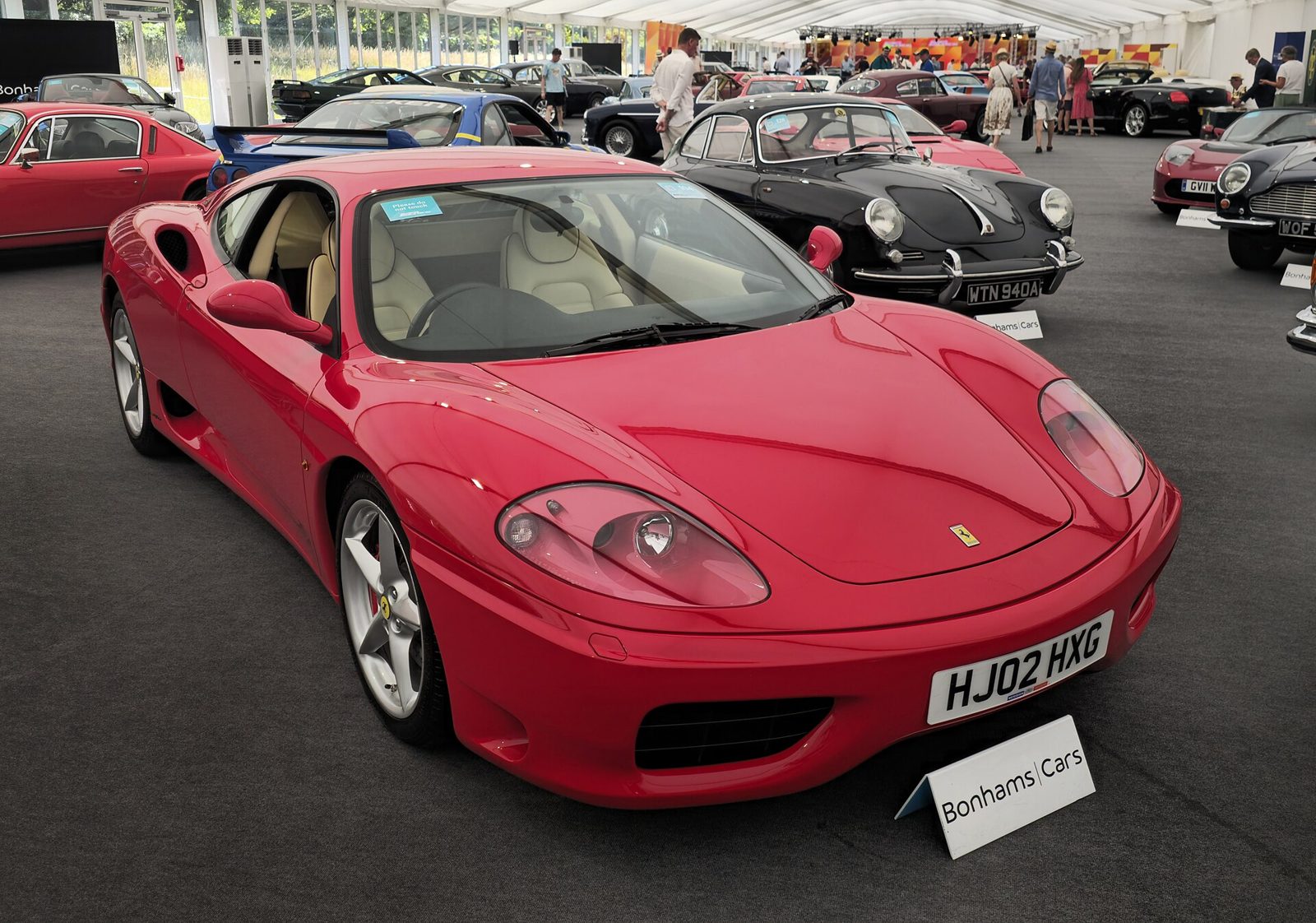
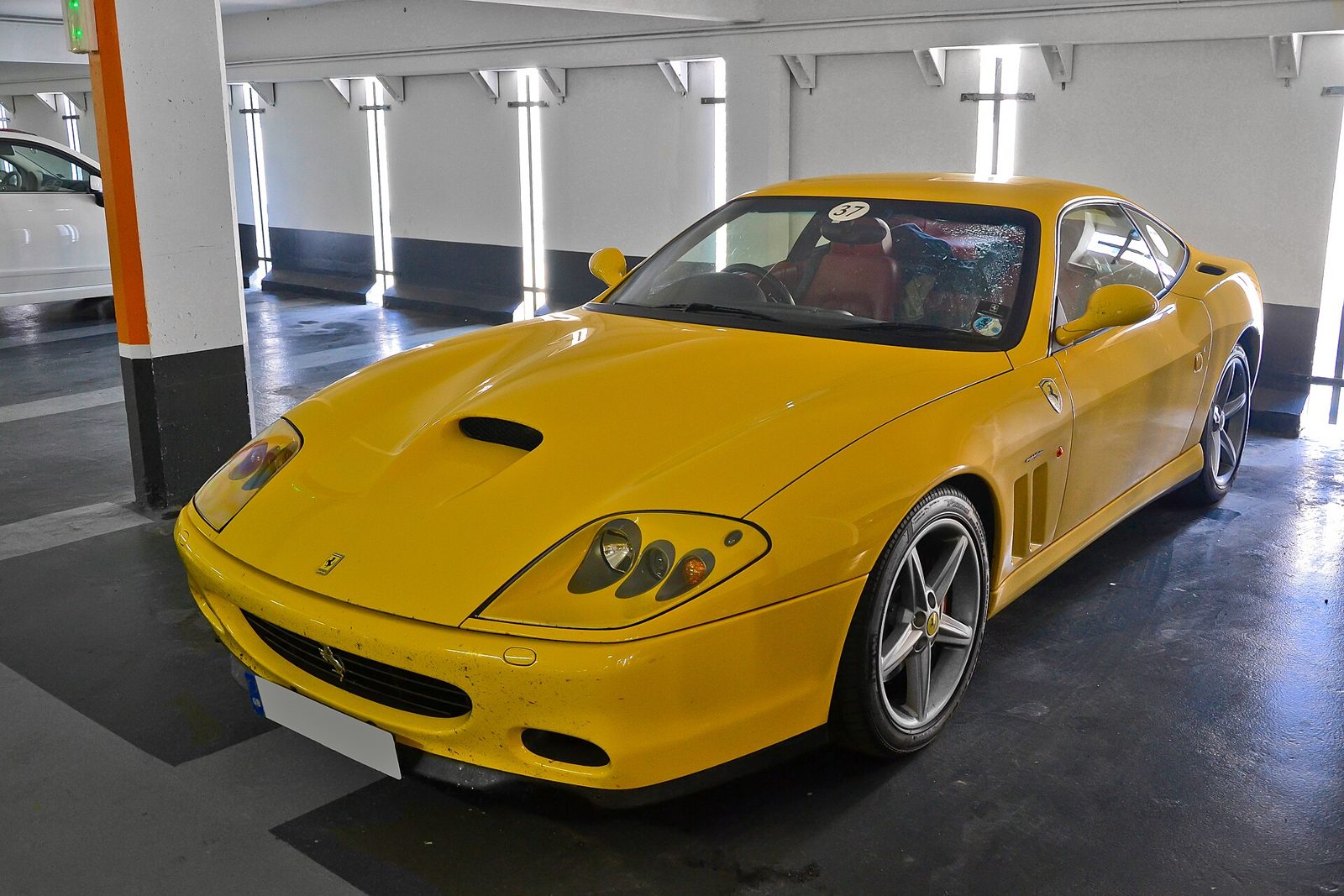
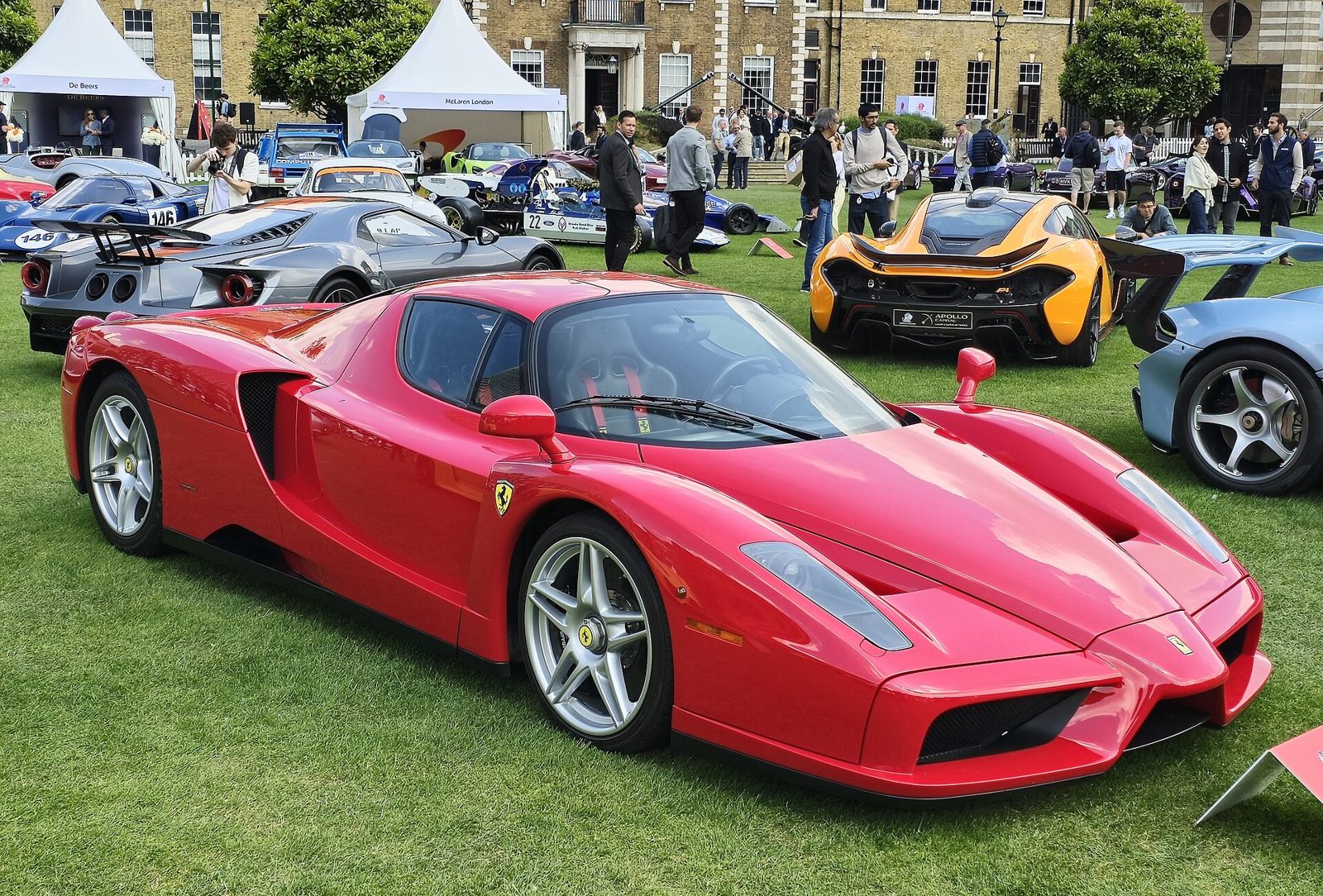
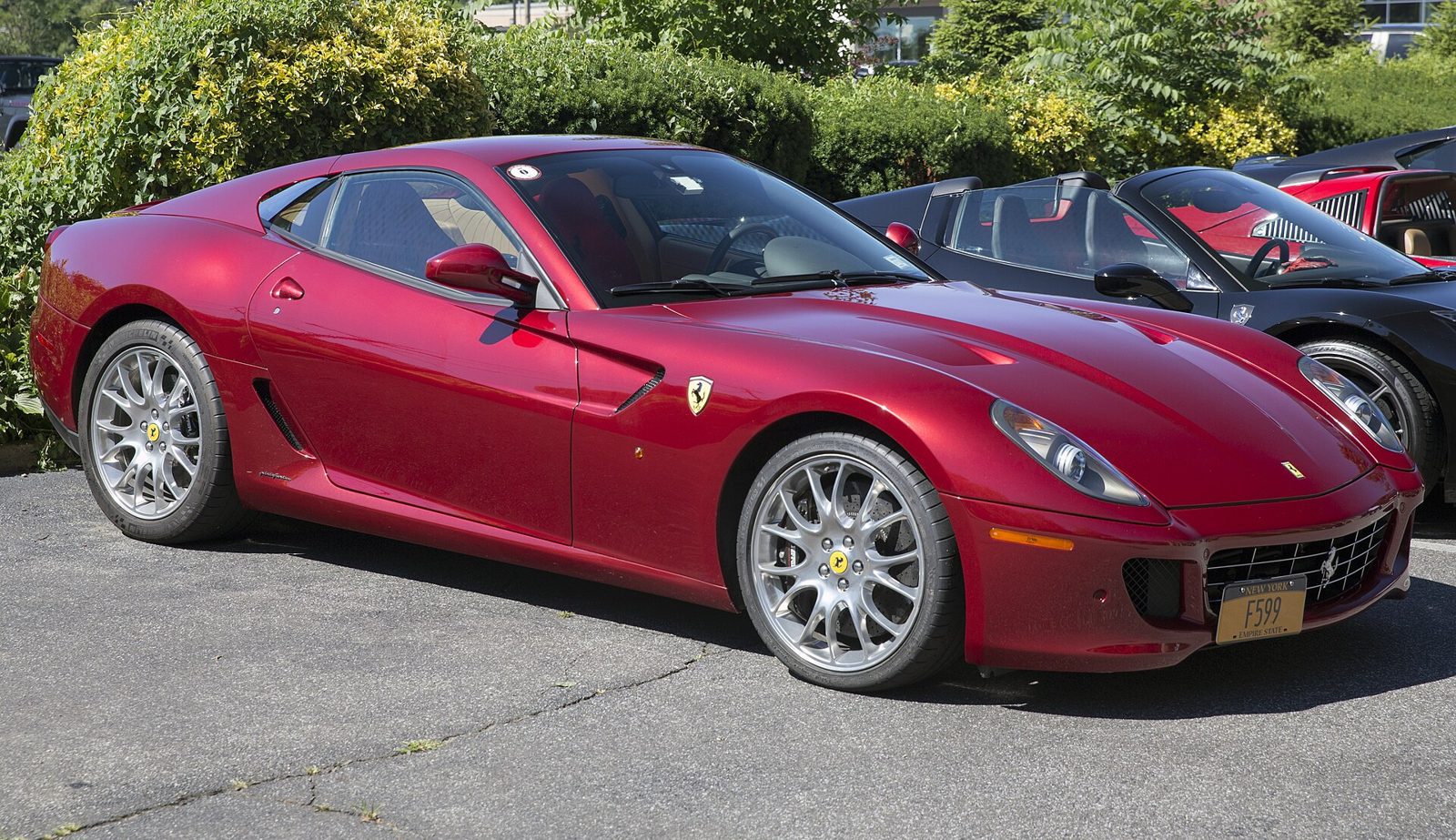
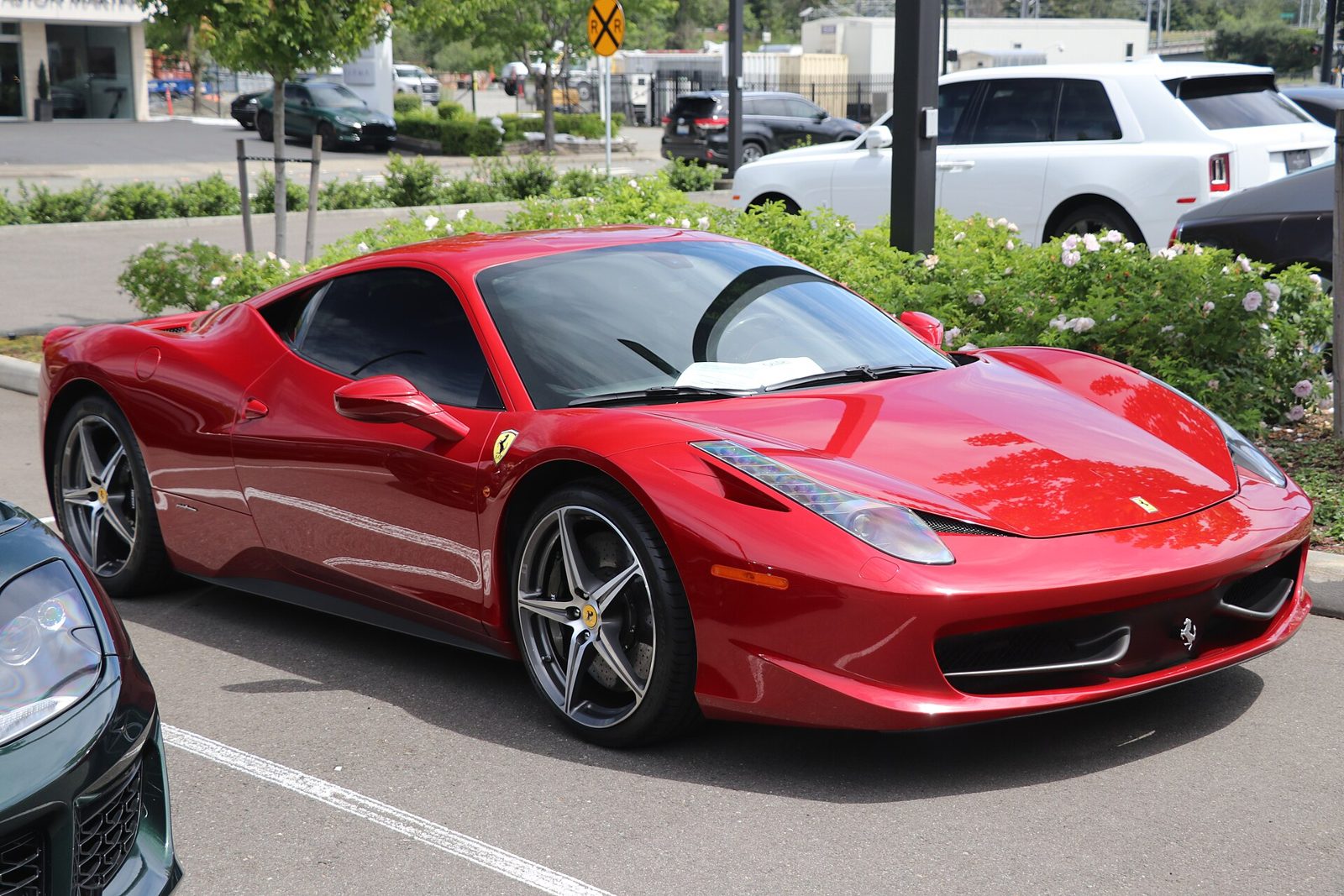
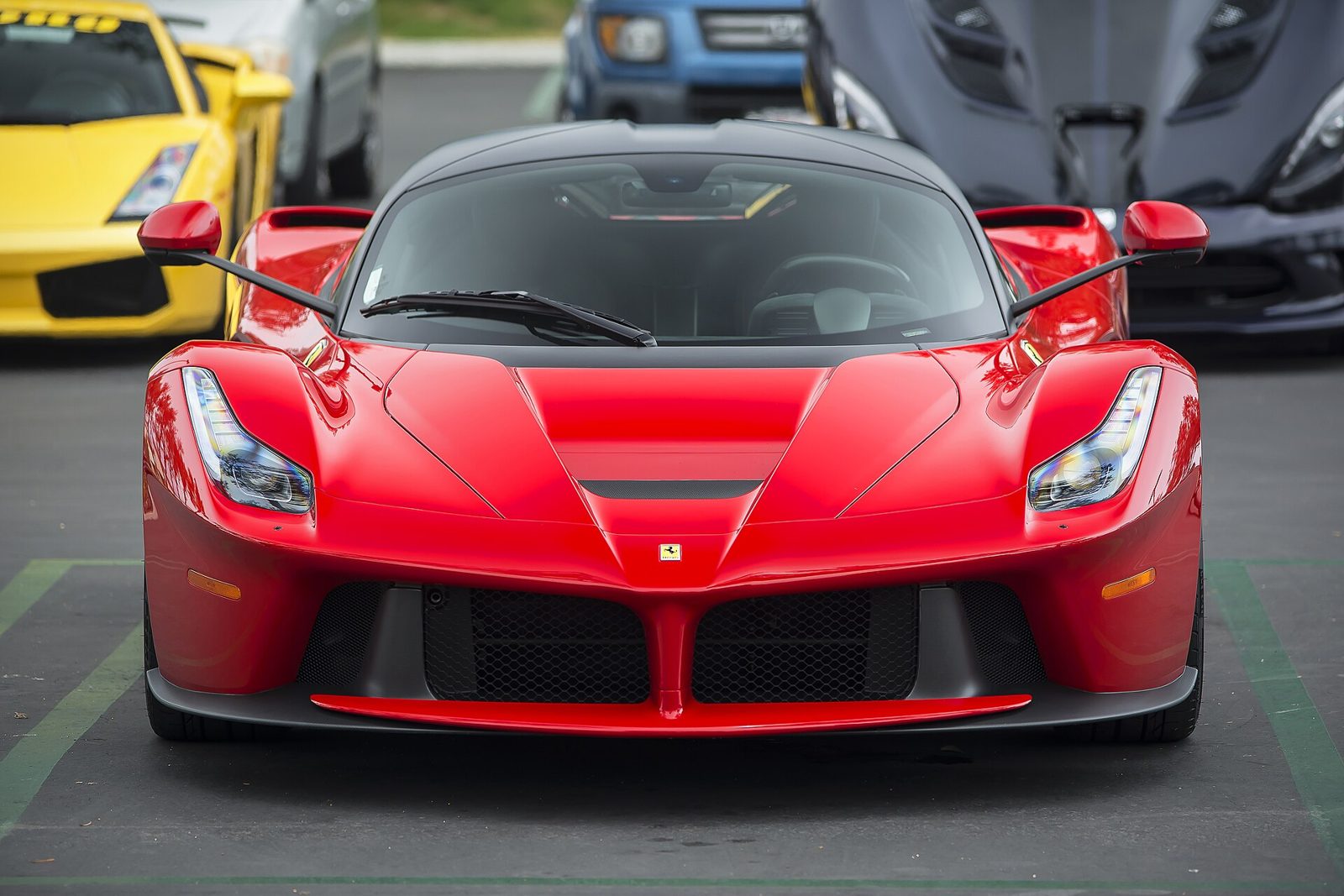
The F40 was designed to celebrate Ferrari's 40th anniversary and was the last Ferrari personally approved by Enzo, who died in 1988, after which Fiat expanded its stake to 90 percent. The 328, 348, Testarossa, F355, 456, 360, 550 Maranello and F50 fill the rest of the century, then the Enzo, 575M, 599, 430, 458 and LaFerrari carry the story into the 2000s and 2010s. Ferrari went public in 2015 and was spun off from Fiat Chrysler Automobiles in 2016.
Where it stands
Ferrari is a listed company, with Exor as its largest shareholder and Piero Ferrari still holding the stake his father kept. Its modern prototype program has won Le Mans in consecutive years, in 2023 and 2024, the first consecutive win there since 1965. For collectors, the story is the same one it always was: the racing and the road cars have never really been separate businesses.